

News
OUR WORK IN ACTION

A Lot on the Line | Installing Fire-Rated Lot Line Windows in TriBeCa
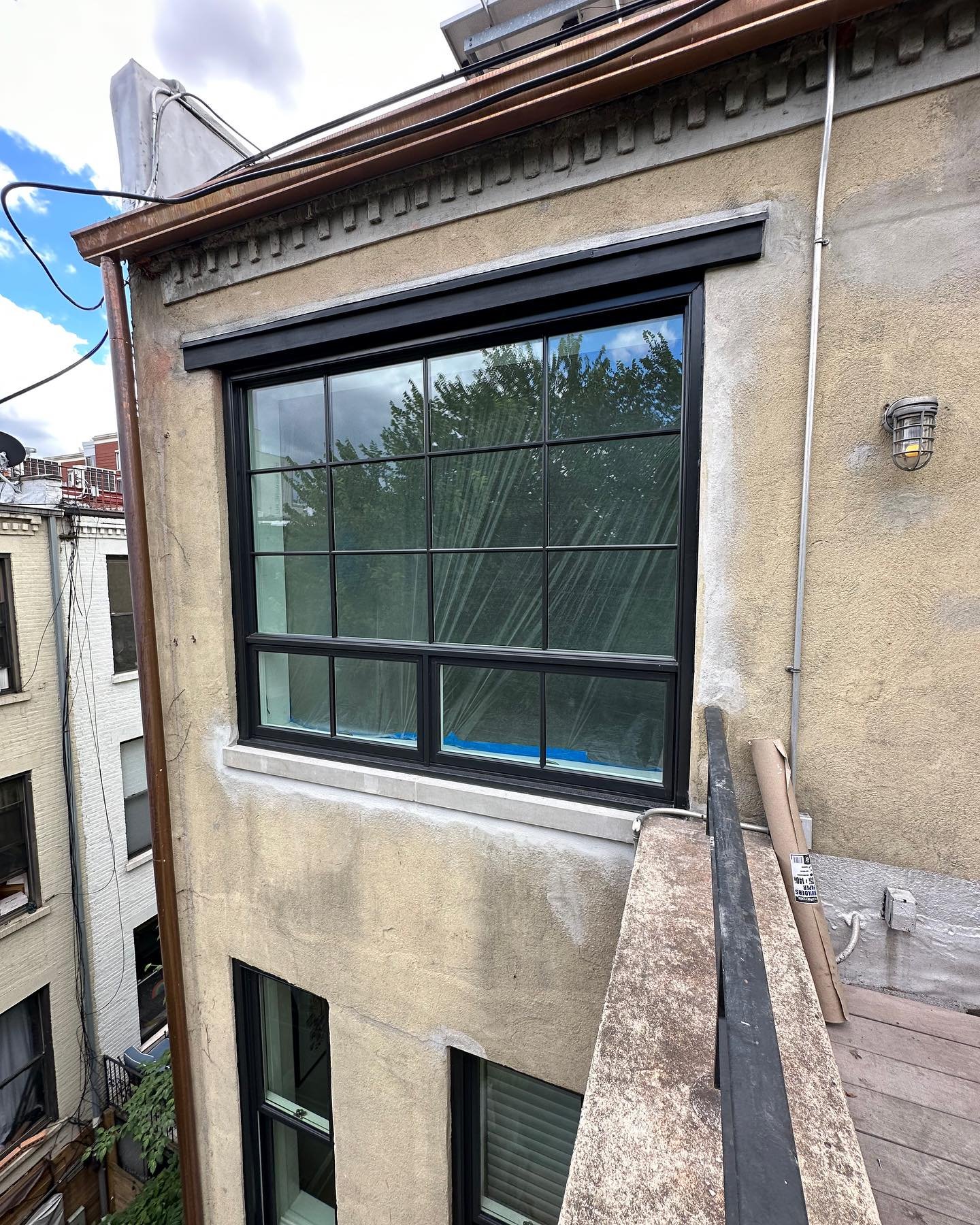
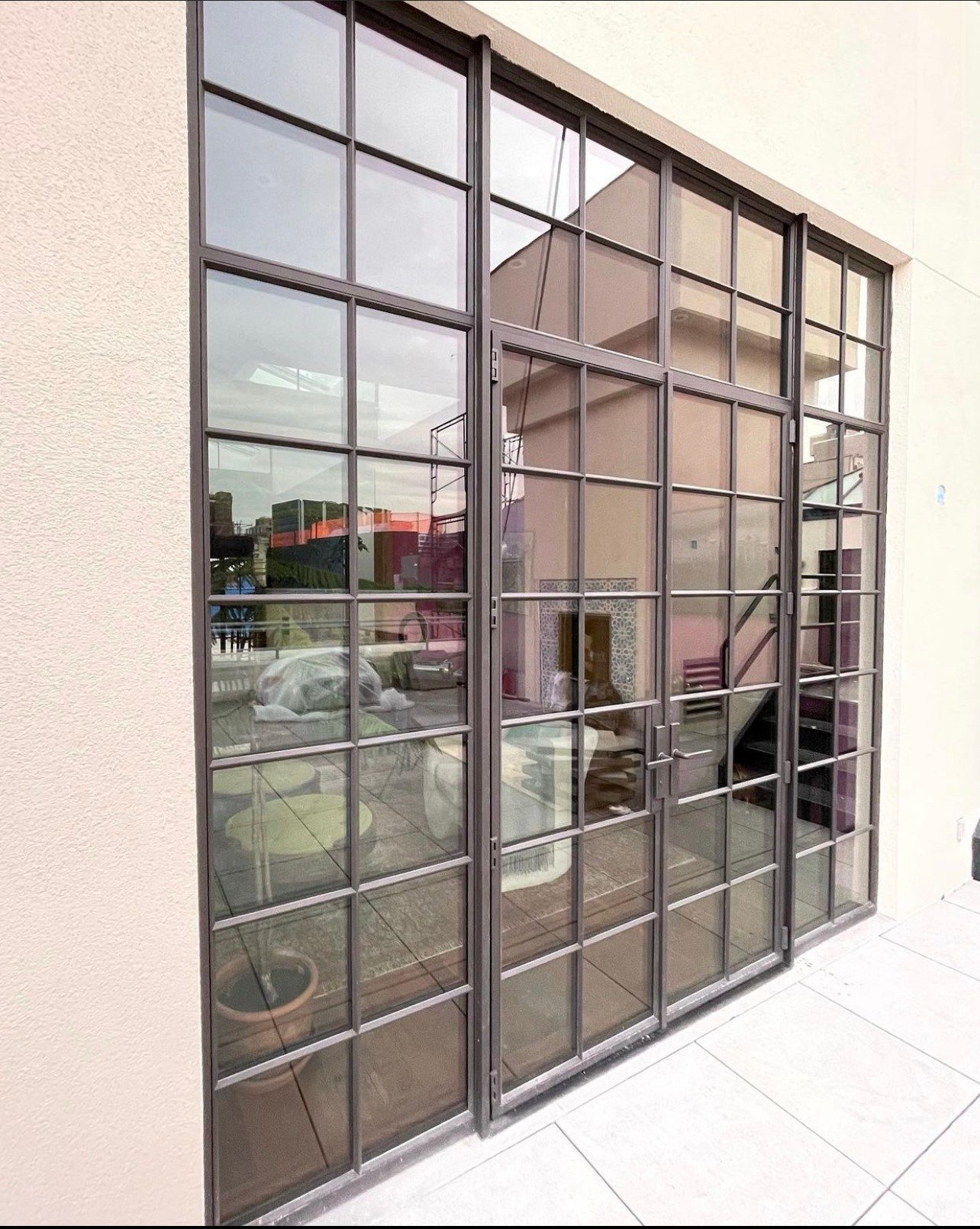
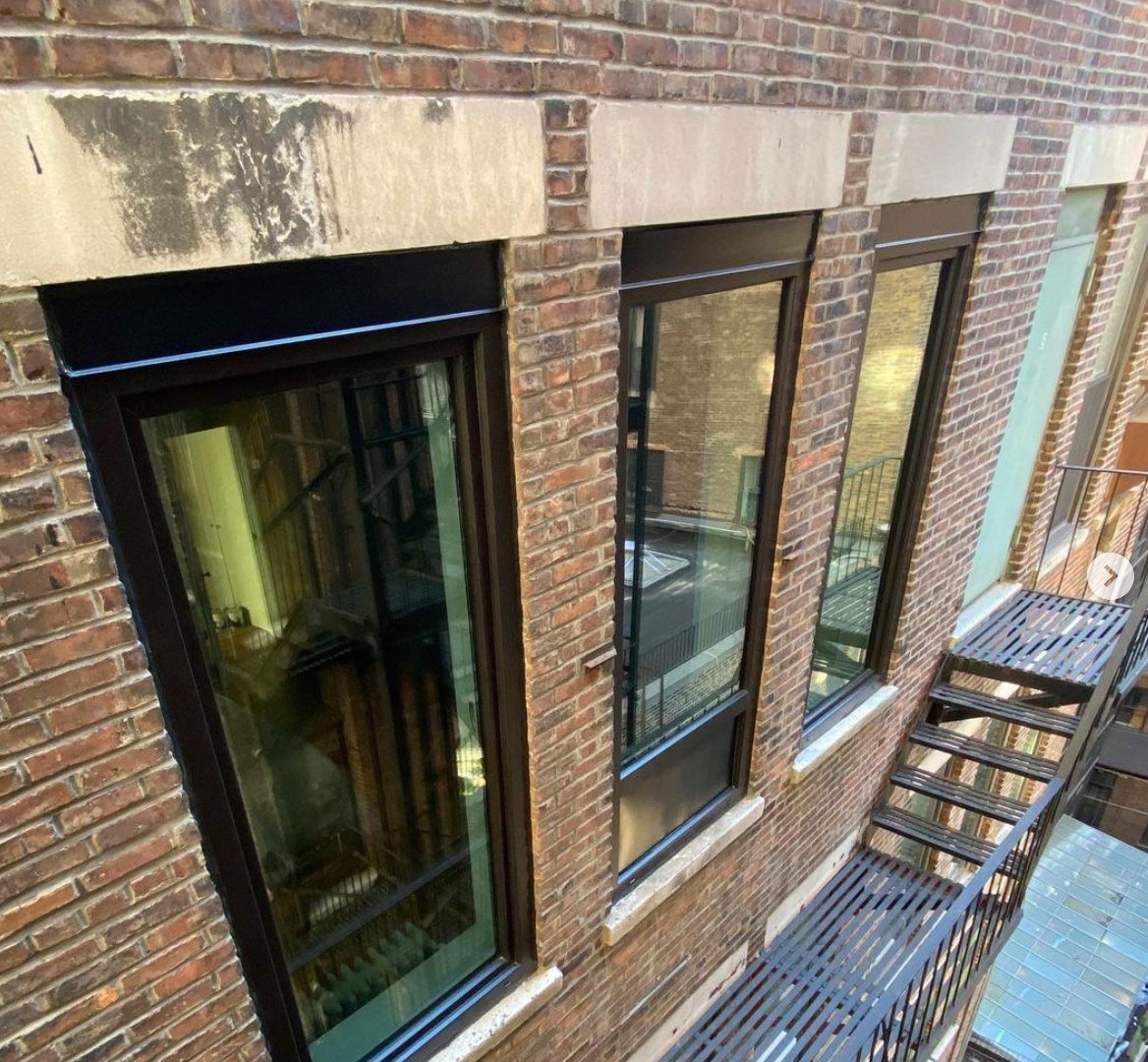
Installing 350-pound, 10-foot-tall steel fire-rated ceramic glazed lot line windows is no easy feat—especially in a historic TriBeCa building with just five feet of clearance between neighboring structures. When working several stories up, over skylights and alleyways, precision is key. These projects demand careful planning, expertise, and patience to ensure both compliance and craftsmanship.
Installing 350-pound, 10-foot-tall steel fire-rated ceramic glazed lot line windows is no easy feat—especially in a historic TriBeCa building with just five feet of clearance between neighboring structures. When working several stories up, over skylights and alleyways, precision is key. These projects demand careful planning, expertise, and patience to ensure both compliance and craftsmanship.
We recently undertook the replacement of 130-year-old double-hung wood weight and chain windows on White Street—one of our favorite streets in Lower Manhattan, where we’ve worked on numerous projects over the years. Given the building’s age and NYC’s strict building codes, these new single-hung steel windows from Optimum Window were essential. The upgrade ensures compliance with both fire safety regulations and NYC Landmarks Preservation Commission requirements while preserving the historic character of the building.
Why Lot Line Windows Matter
Lot line windows are installed on walls that sit directly along a property line, meaning they must meet fire-rated standards to protect against potential fire spread between closely spaced buildings. These new steel-framed windows provide:
Improved Fire Safety: The ceramic glazing and thermally broken steel frames enhance the fire resistance required for lot line windows.
Sound Attenuation: The DB/OITC-rated glazing significantly reduces noise pollution—a major benefit in New York City.
Energy Efficiency: The insulated steel frames and thick glazing offer better thermal performance, keeping interiors more comfortable year-round.
Preserving History While Enhancing Performance
One of the most rewarding aspects of this project was the careful attention to historical detailing. Custom interior casings were fabricated to match the original woodwork, ensuring that the new windows blend seamlessly into the building’s architectural style.
As this transformation nears completion, it’s clear that upgrading historic windows is more than just an aesthetic choice—it’s a structural and safety necessity. With proper planning, expert craftsmanship, and respect for historical integrity, even the most challenging projects can be executed flawlessly.


The Environmental Benefits of Restoring Historic Windows
In an era where sustainability is key, restoring historic windows offers an environmentally friendly alternative to full window replacement. While modern windows may promise energy efficiency, the reality is that preserving existing windows is often the greener and more responsible choice.
In an era where sustainability is key, restoring historic windows offers an environmentally friendly alternative to full window replacement. While modern windows may promise energy efficiency, the reality is that preserving existing windows is often the greener and more responsible choice.
Why Restoration is More Sustainable Than Replacement
When homeowners choose to replace historic windows, the old materials typically end up in landfills. Many historic windows were crafted from high-quality old-growth wood, which is far more durable than modern alternatives. By restoring these windows instead of discarding them, we reduce waste and extend the lifespan of high-quality materials.
Additionally, the energy required to manufacture and transport new windows contributes to carbon emissions. In contrast, restoration minimizes this environmental footprint by utilizing materials that are already in place.
Energy Efficiency Without Compromising History
A common misconception is that historic windows cannot be energy efficient. In reality, with proper weatherstripping, storm windows, and restoration techniques, they can perform just as well as modern replacements. Techniques such as reglazing, repairing damaged frames, and adding interior or exterior storm windows improve insulation while maintaining the building’s character.
Preserving Architectural Heritage
Beyond the environmental impact, restored historic windows maintain the authenticity of a building’s design. Many older windows feature intricate craftsmanship that cannot be replicated with modern mass-produced units. Retaining these original elements helps preserve architectural integrity and adds long-term value to historic properties.
By choosing restoration over replacement, property owners can contribute to sustainability efforts while preserving the beauty and history of their buildings. At Historical Windows of New York, we specialize in restoring and preserving historic windows, ensuring that they stand the test of time while maintaining their original charm.
ARE YOU AN AUDIO LISTENER?


Winter-Proofing Historic Brownstones | Energy-Efficient Window Solutions
New York City’s historic brownstones are treasured for their architectural beauty and timeless charm. However, as winter sets in, these classic buildings often face challenges when it comes to energy efficiency. Aging windows, drafty frames, and single-pane glass can make it difficult to keep homes warm and energy bills manageable. The good news is that preserving the character of your historic brownstone doesn’t mean sacrificing modern comfort.
New York City’s historic brownstones are treasured for their architectural beauty and timeless charm. However, as winter sets in, these classic buildings often face challenges when it comes to energy efficiency. Aging windows, drafty frames, and single-pane glass can make it difficult to keep homes warm and energy bills manageable. The good news is that preserving the character of your historic brownstone doesn’t mean sacrificing modern comfort.
Here are energy-efficient solutions that will keep your brownstone cozy while maintaining its historic integrity:
Window Restoration for Better Insulation
Restoring your existing historical windows can greatly improve their energy performance. Professional restoration services can repair drafts, improve seals, and add insulation while preserving the original design. This approach ensures compliance with NYC’s landmark preservation requirements and maintains the unique character of your brownstone.
Adding Storm Windows
Storm windows are a simple yet effective way to enhance energy efficiency without altering your original windows. Custom storm windows can be installed to match the aesthetic of your brownstone while adding an extra layer of insulation against the cold.
Upgrading to Energy-Efficient Glazing
If your windows are beyond repair, consider upgrading to energy-efficient glazing. Double or triple-pane glass offers superior insulation and can be customized to replicate the look of historical windows, ensuring your brownstone retains its charm while meeting modern efficiency standards.
Sealing Gaps and Drafts
Even the smallest gaps around window frames can lead to significant heat loss. Weatherstripping and caulking are cost-effective solutions to seal these gaps, preventing drafts and keeping your home warm all winter long.
Insulating Window Treatments
Thermal curtains, shades, and blinds not only add a stylish touch to your brownstone but also provide an additional layer of insulation. They can help retain heat during chilly NYC winters while complementing your historic interior.
Why Choose Professional Window Services for Your Brownstone?
NYC brownstones are often protected under landmark status, meaning any modifications must comply with strict guidelines. Working with Historical Windows of New York ensures that your energy-efficient upgrades meet these regulations while maintaining the architectural integrity of your home. Our team specializes in restoring and upgrading historic windows for NYC brownstones, combining expert craftsmanship with modern technology to achieve the best results.
Schedule Your Consultation Today
Don’t let winter drafts take away from the comfort of your historic brownstone. Contact us to learn more about energy-efficient solutions for your windows. Whether you need restoration, storm window installation, or an upgrade to energy-efficient glazing, our team is here to help.
Ready to get started? Contact us today for a consultation!


Restoration Tips for Historical Brownstones
New York’s brownstones are iconic symbols of the city’s architectural heritage, often boasting beautiful, original windows that have withstood the test of time. However, these historical windows require special care and attention to preserve their character and functionality.

Clinton Hill, Brooklyn
Restoring historical brownstones in New York City is a labor of love that requires meticulous attention to detail, particularly when it comes to maintaining the authenticity of windows and doors. For homeowners and preservationists alike, understanding the nuances of window replacement in NYC is crucial to preserving the architectural integrity of these iconic structures.
Assessing the Condition of Existing Windows and Doors
Before diving into any restoration project, it’s important to thoroughly assess the condition of the existing windows and doors. In many brownstones, the original windows and doors have been in place for over a century. While these elements contribute to the building’s historic charm, they may also suffer from wear and tear, necessitating careful restoration or replacement.
Choosing the Right Materials for Window Replacement in NYC

Park Slope, Brooklyn
When replacing windows in historic brownstones, choosing the right materials is key. Wood remains a popular choice for its authenticity and aesthetic appeal. However, modern alternatives that mimic traditional wood while offering enhanced durability and energy efficiency are also available. Ensuring that new windows match the historical profile of the originals is essential to maintaining the building’s character.
Navigating NYC Preservation Regulations
Window replacement in New York City’s historic districts often requires navigating a complex web of preservation regulations. It’s important to work with professionals who understand the local guidelines to ensure that your restoration project meets all necessary approvals. This is especially true when it comes to replacing windows and doors in NYC, where strict guidelines often dictate the materials, styles, and installation methods that can be used.
Balancing Energy Efficiency with Historical Accuracy
One of the biggest challenges is balancing modern energy efficiency with historical accuracy. Upgrading to energy-efficient windows and doors doesn’t mean sacrificing the building’s historical integrity. Many manufacturers offer high-performance windows that are designed to replicate the look of traditional models while providing superior insulation and energy savings.
Working with Experienced Craftsmen
Historical Windows of New York has the expertise to repair your brownstone windows with precision and care. Restoring these windows is a specialized task that demands a deep understanding of historic preservation and the unique challenges of working with brownstone materials. Our skilled professionals ensure that your restoration is both effective and historically appropriate, preserving the character and integrity of your brownstone.
For more information on window replacement in NYC or to consult with our team of experts, contact us today.

Before | St John’s St, Brooklyn
After | St John’s St, Brooklyn
ARE YOU AN AUDIO LISTENER?
From Casements to Double-Hung | The World of Windows
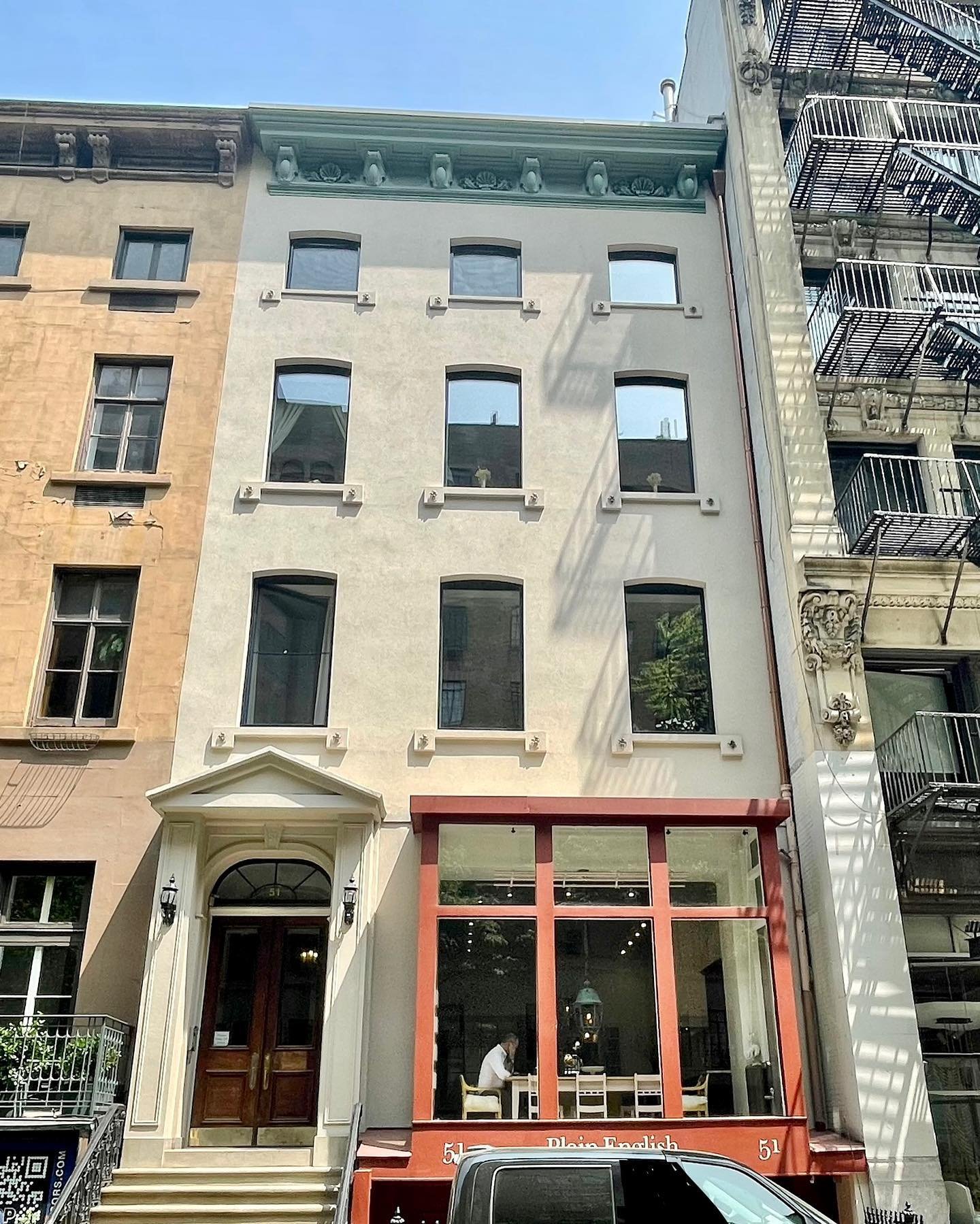
New York City's skyline is a testament to architectural innovation and diversity. One key element that contributes to the uniqueness of its buildings is the variety of windows used. From historic brownstones to modern skyscrapers, the windows in NYC homes and buildings showcase a rich tapestry of styles and functionalities.
New York City's skyline is a testament to architectural innovation and diversity. One key element that contributes to the uniqueness of its buildings is the variety of windows used. From historic brownstones to modern skyscrapers, the windows in NYC homes and buildings showcase a rich tapestry of styles and functionalities.
Classic Double-Hung Windows: Versatile and Functional
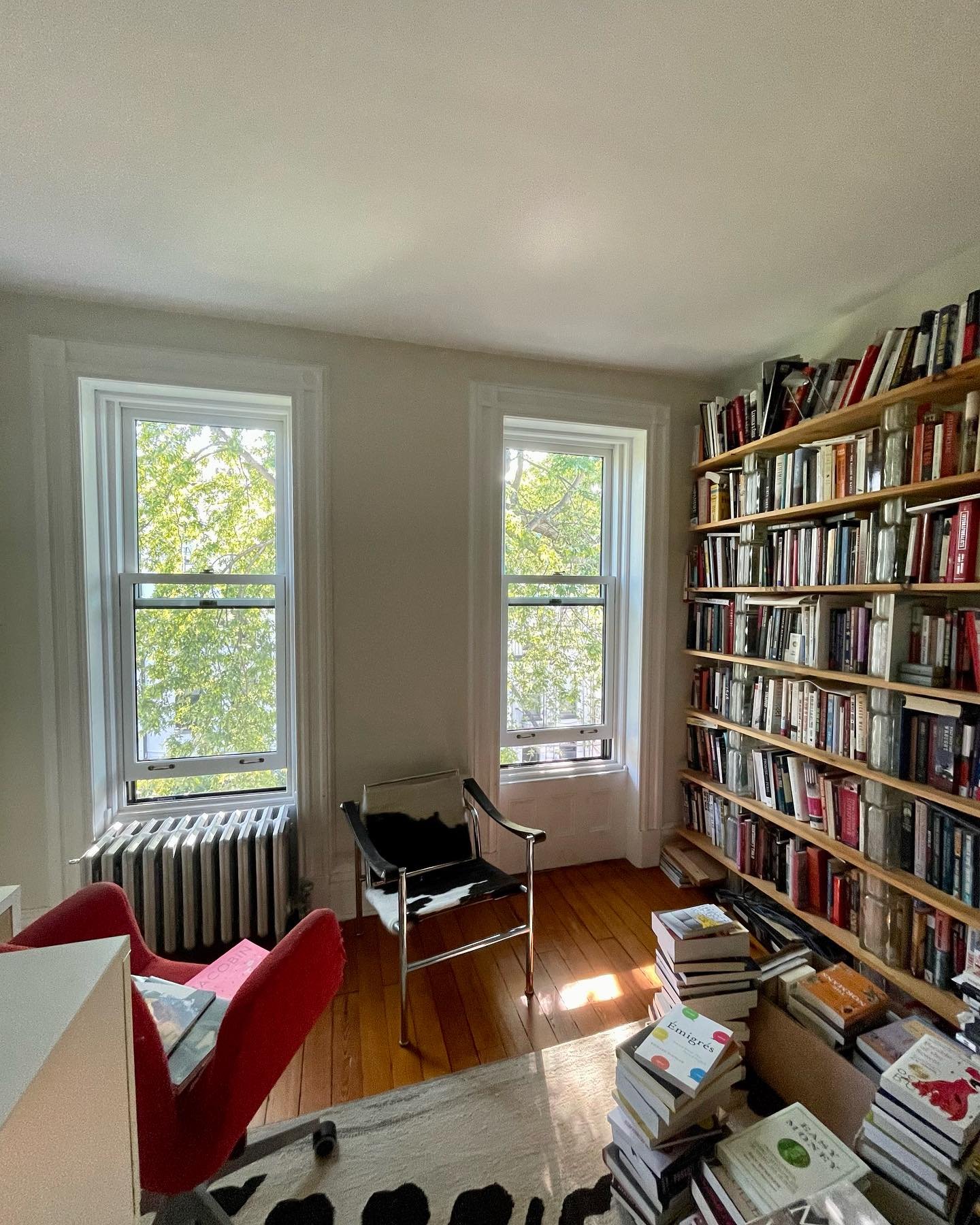
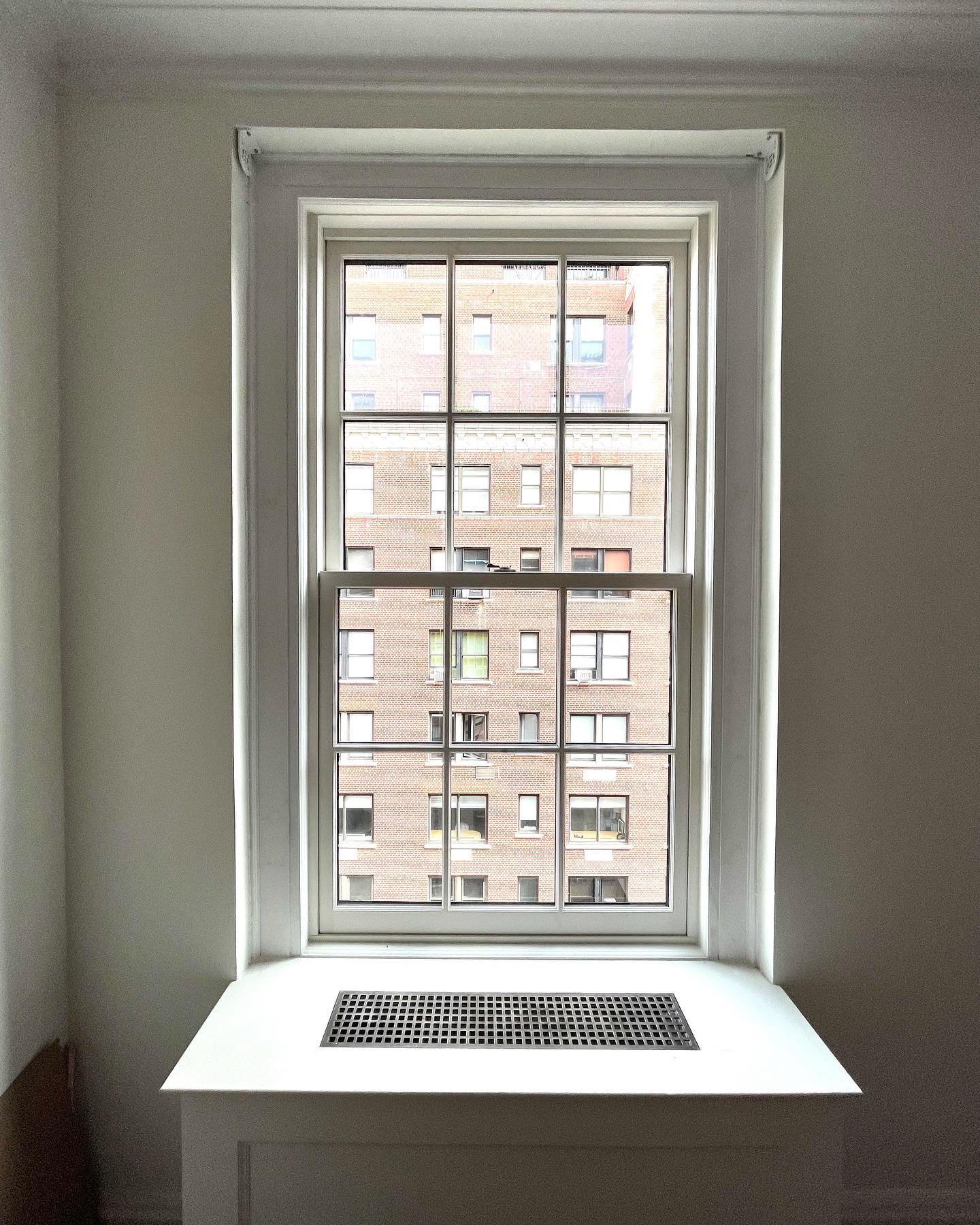
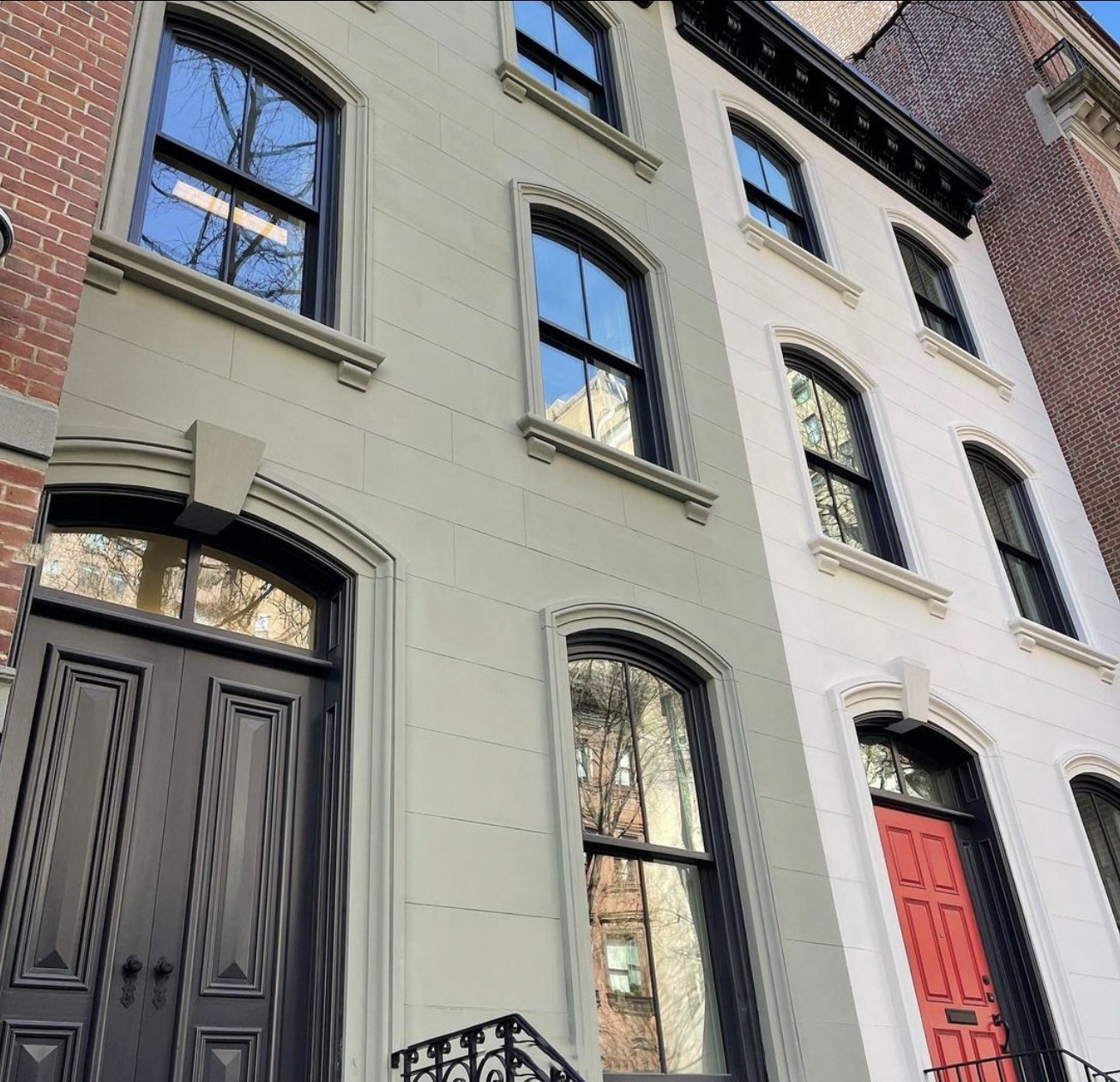
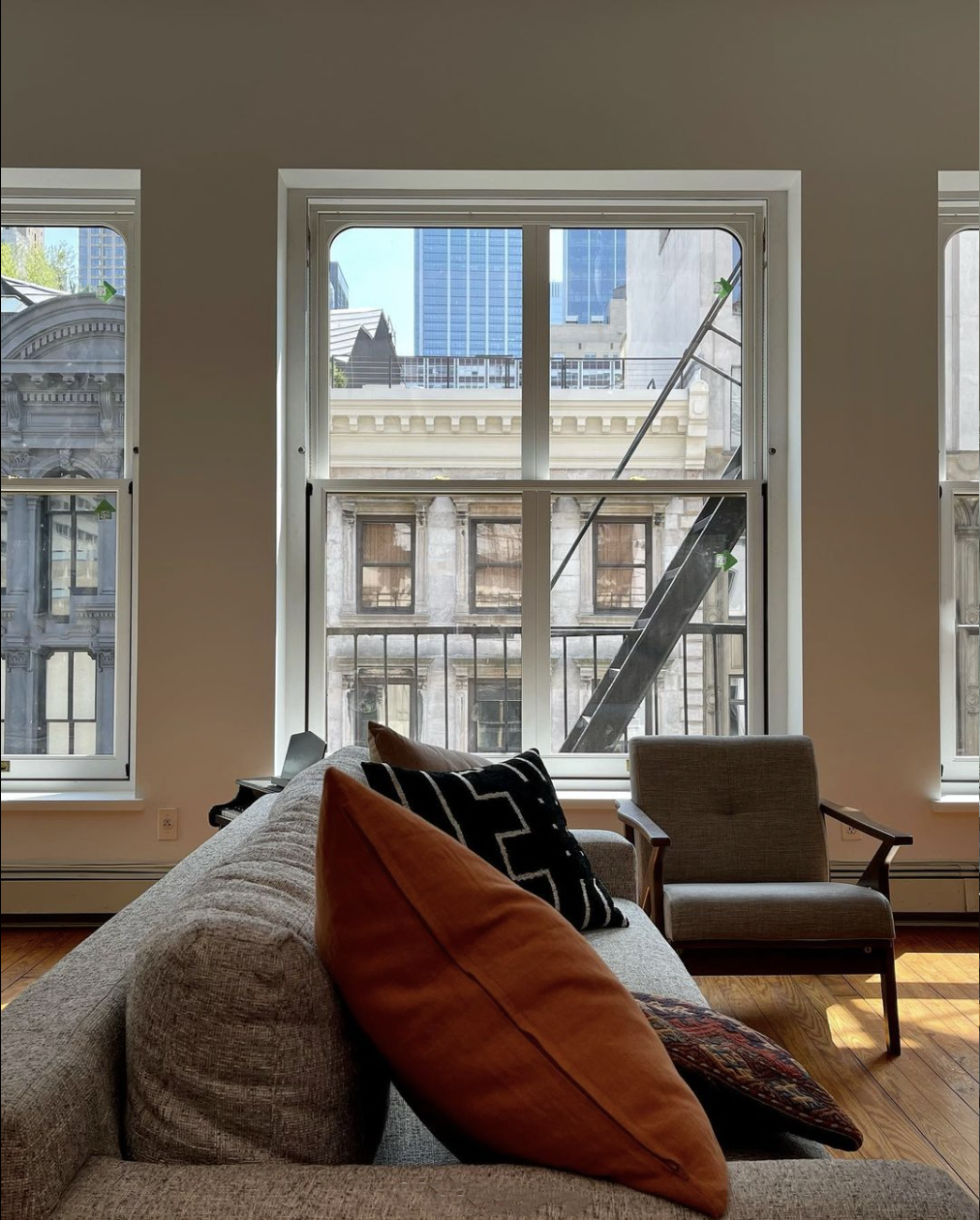
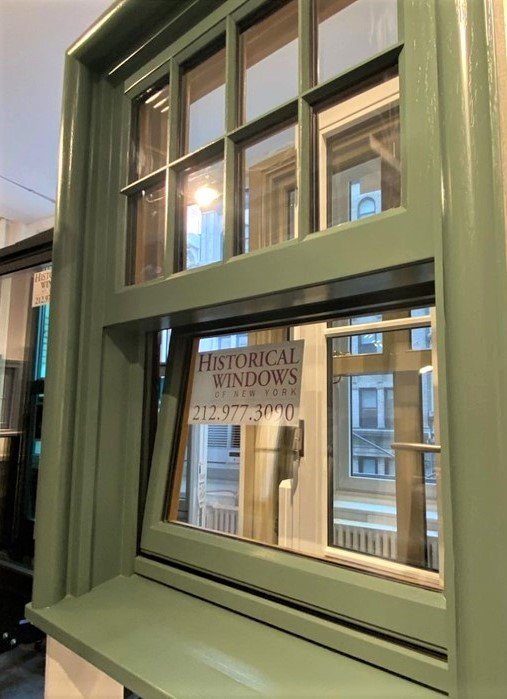
In many of New York City's traditional brownstones and historic buildings, you'll find classic double-hung windows. These windows consist of two sashes that slide vertically, allowing for easy ventilation and maintenance. They are not only aesthetically pleasing but also evoke a sense of timeless elegance.
Casement Windows: Contemporary Elegance
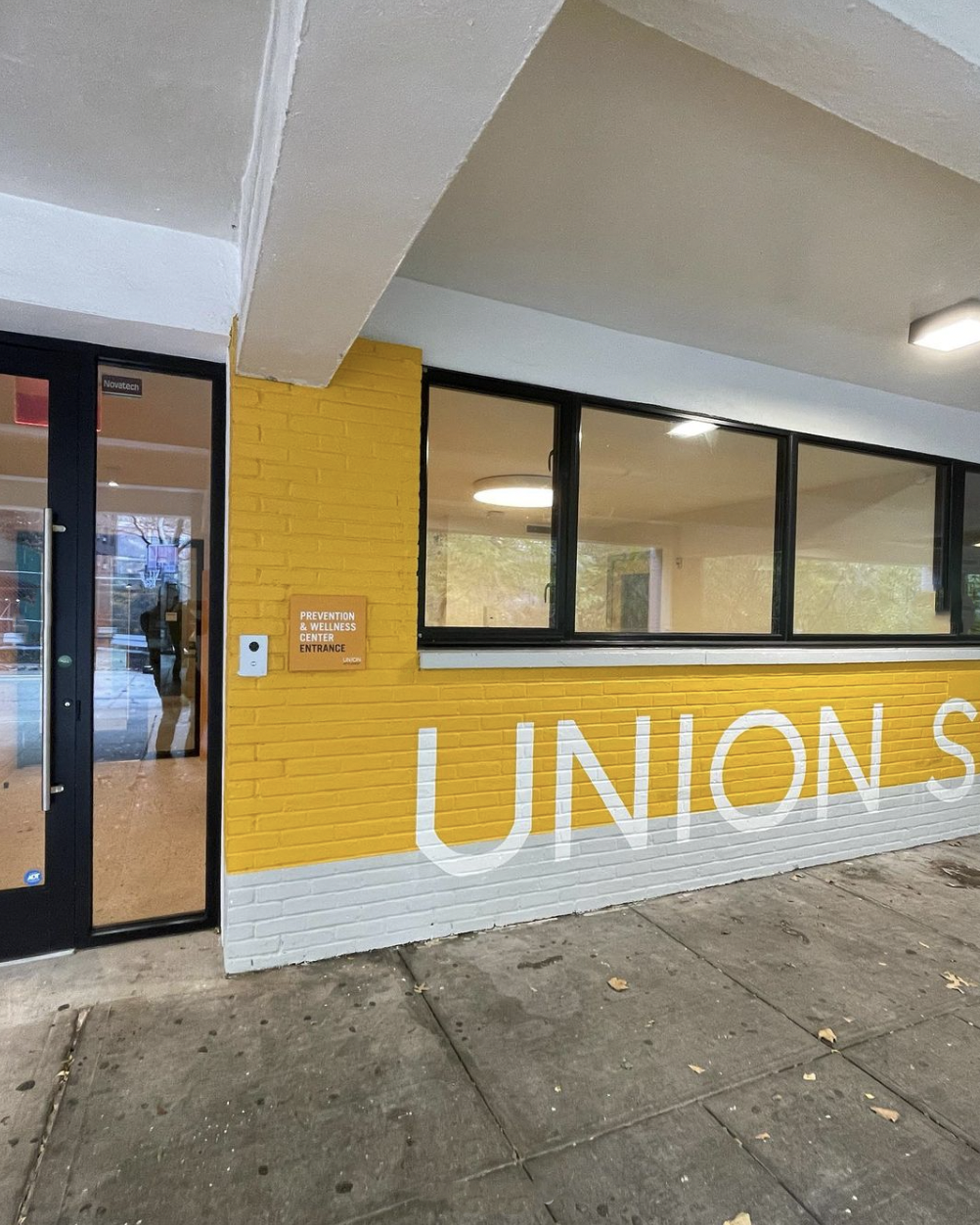
Modern architecture in NYC often embraces casement windows. These windows are hinged on one side and open outward like a door, providing unobstructed views and excellent ventilation. Their sleek design complements contemporary buildings, and they are commonly found in high-rise apartments and office spaces.
Bay and Bow Windows: Architectural Statements
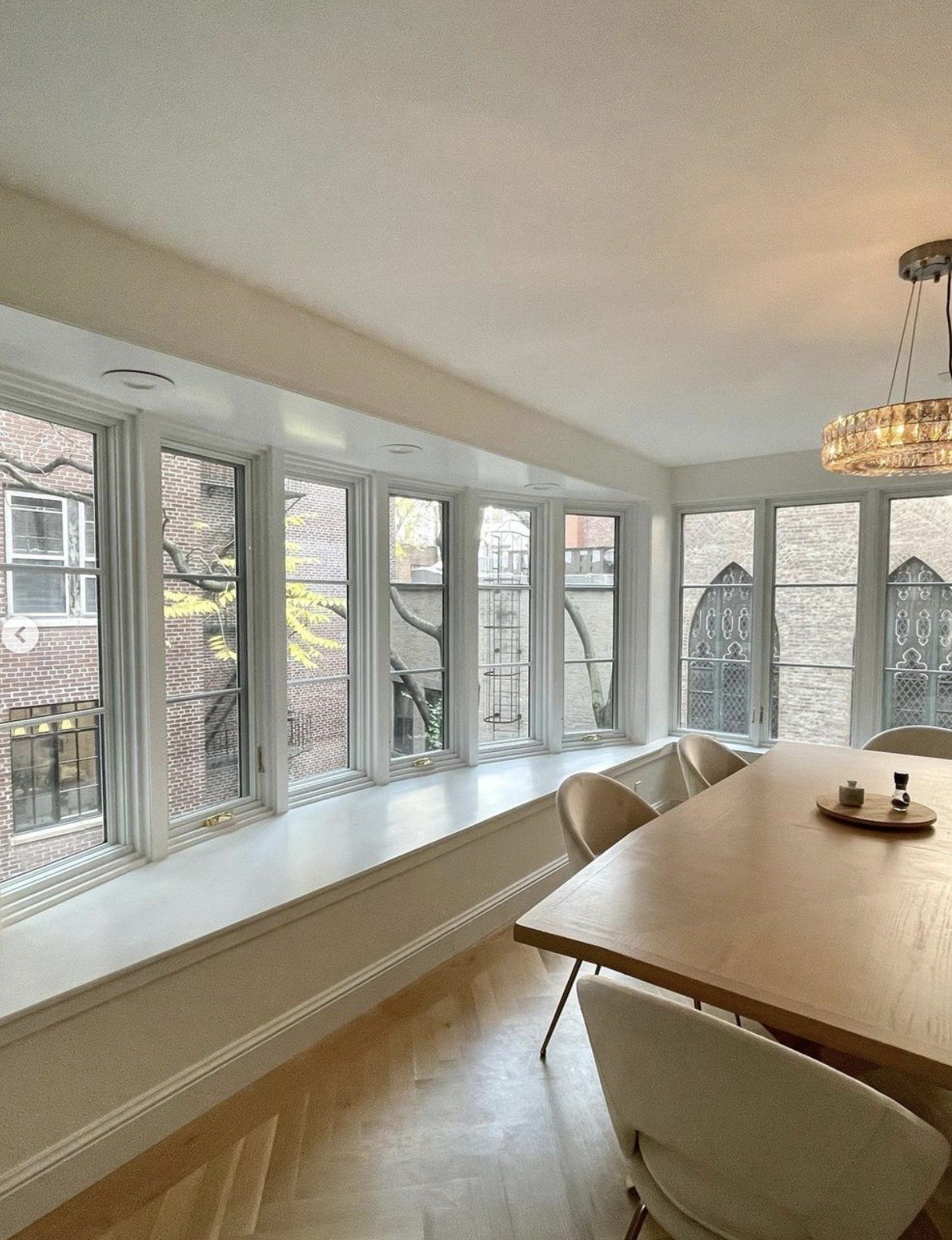
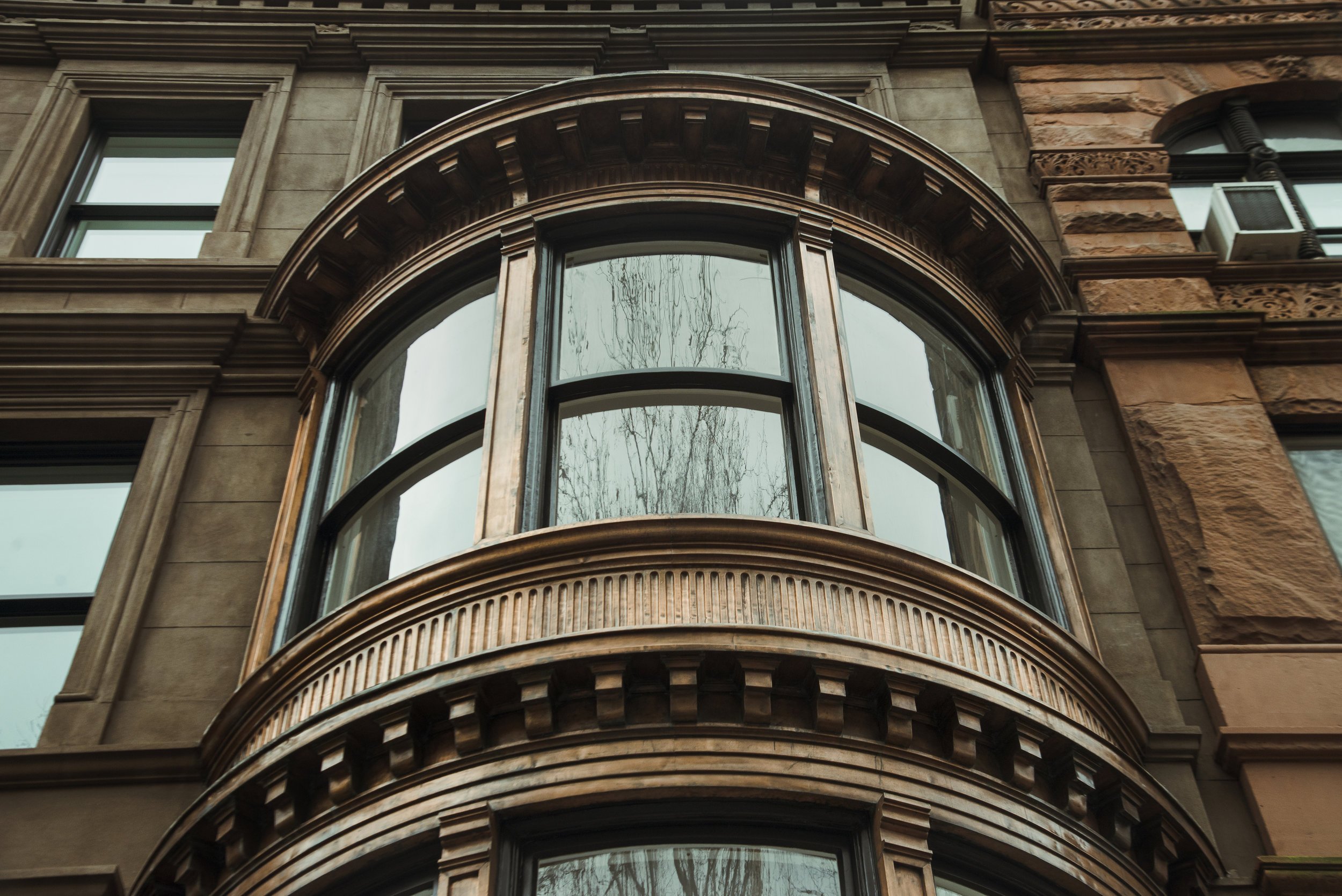
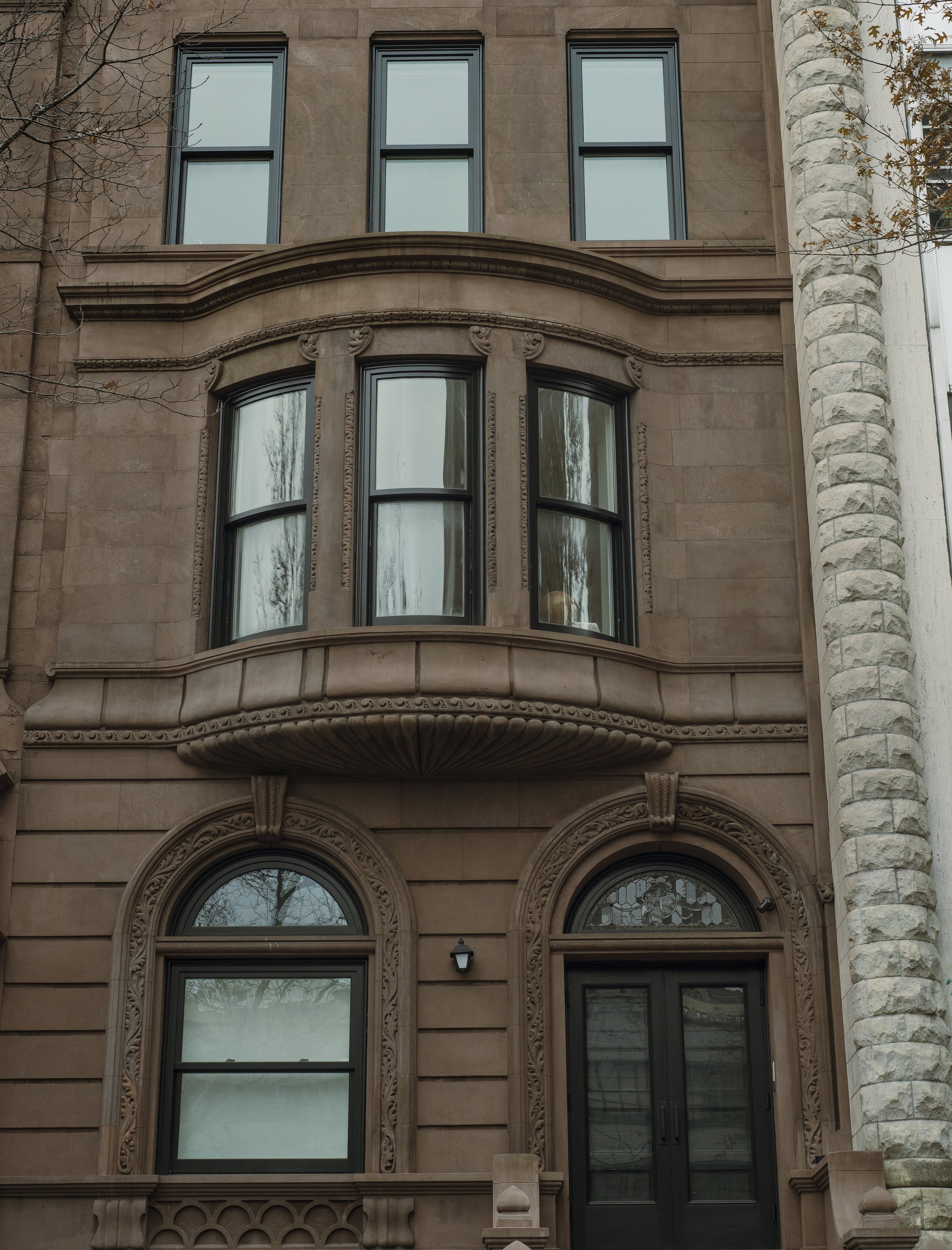
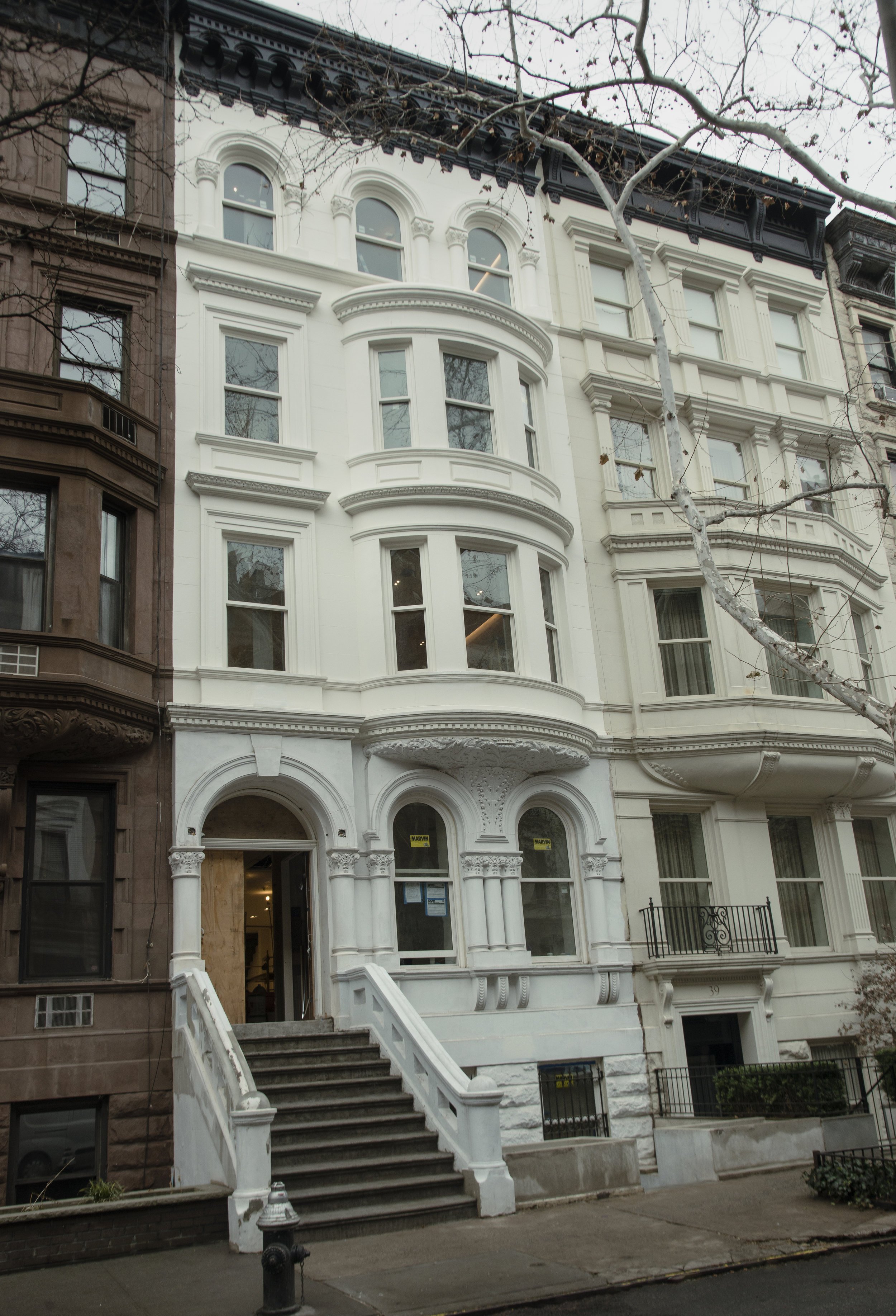
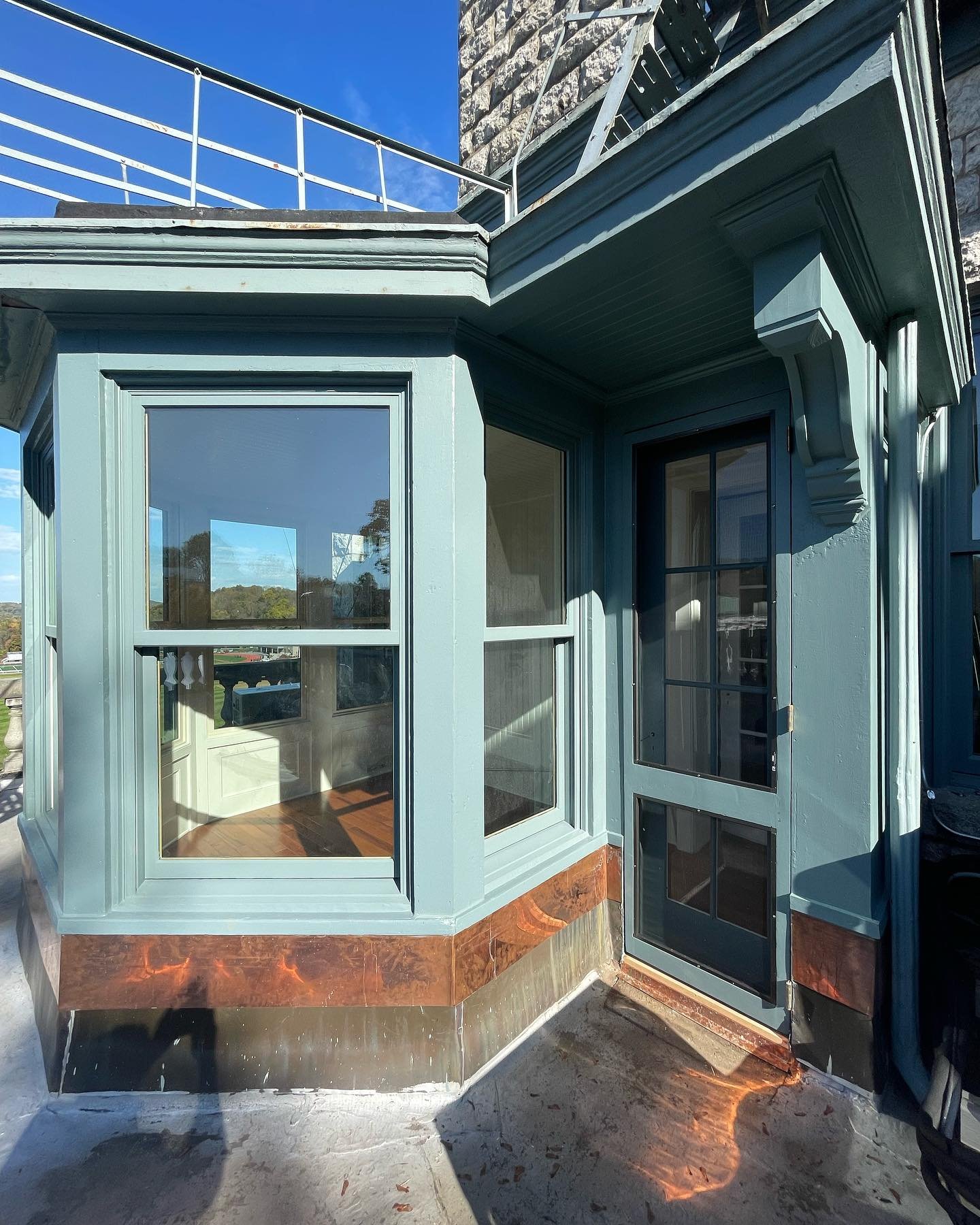
Bay windows add a touch of charm to residential buildings in New York City. These projecting windows create additional space within a room and offer panoramic views of the city. They are a popular choice for brownstones and townhouses, providing both architectural interest and functionality.
Picture Windows: Frame Your View
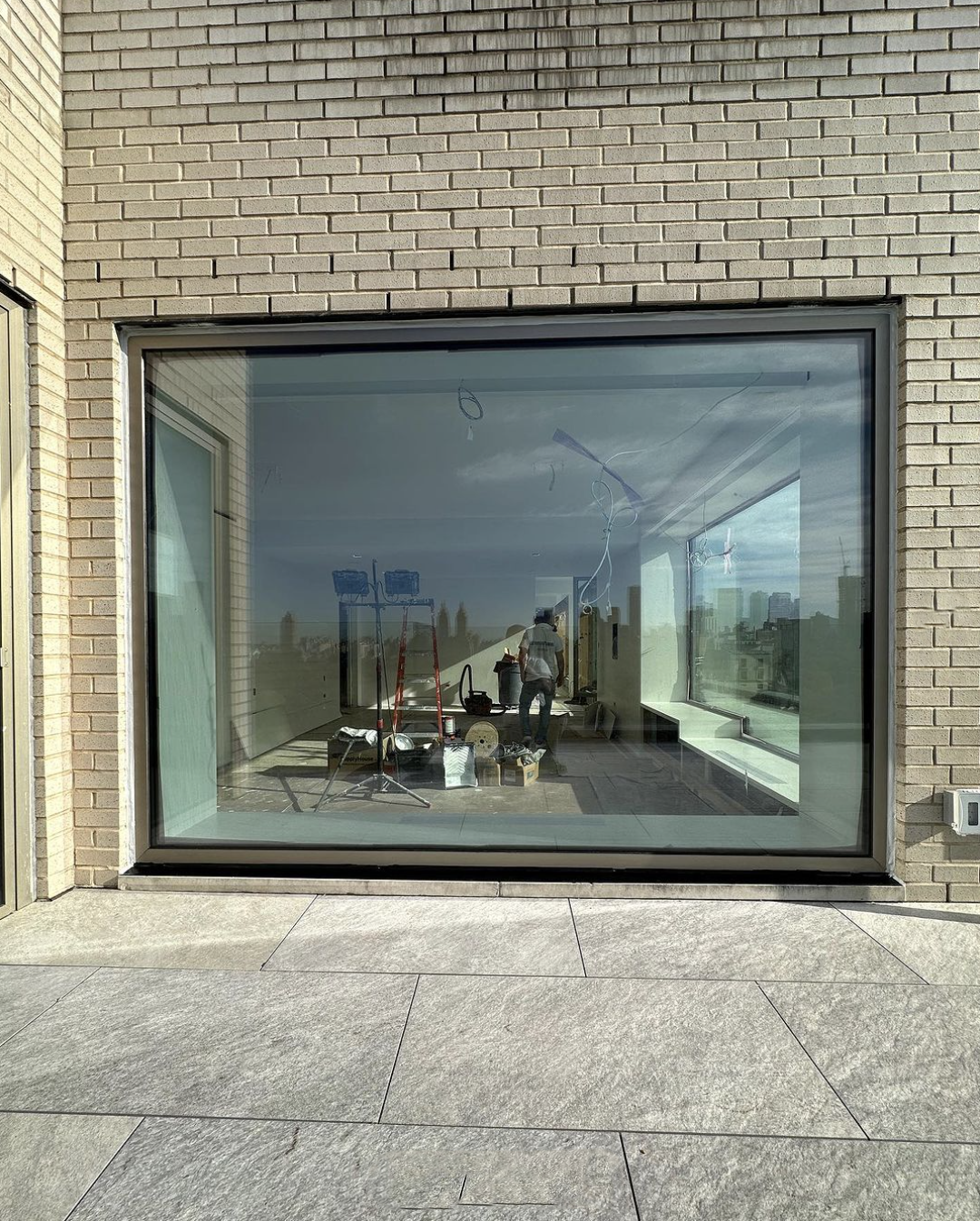
Picture windows are fixed and do not open, serving as large, unobstructed frames to showcase scenic views or allow abundant natural light into a room. These windows are perfect for highlighting architectural features and are often used in combination with other window types to create a customized look.
Historical Stained Glass Windows: Intricate and Decorative
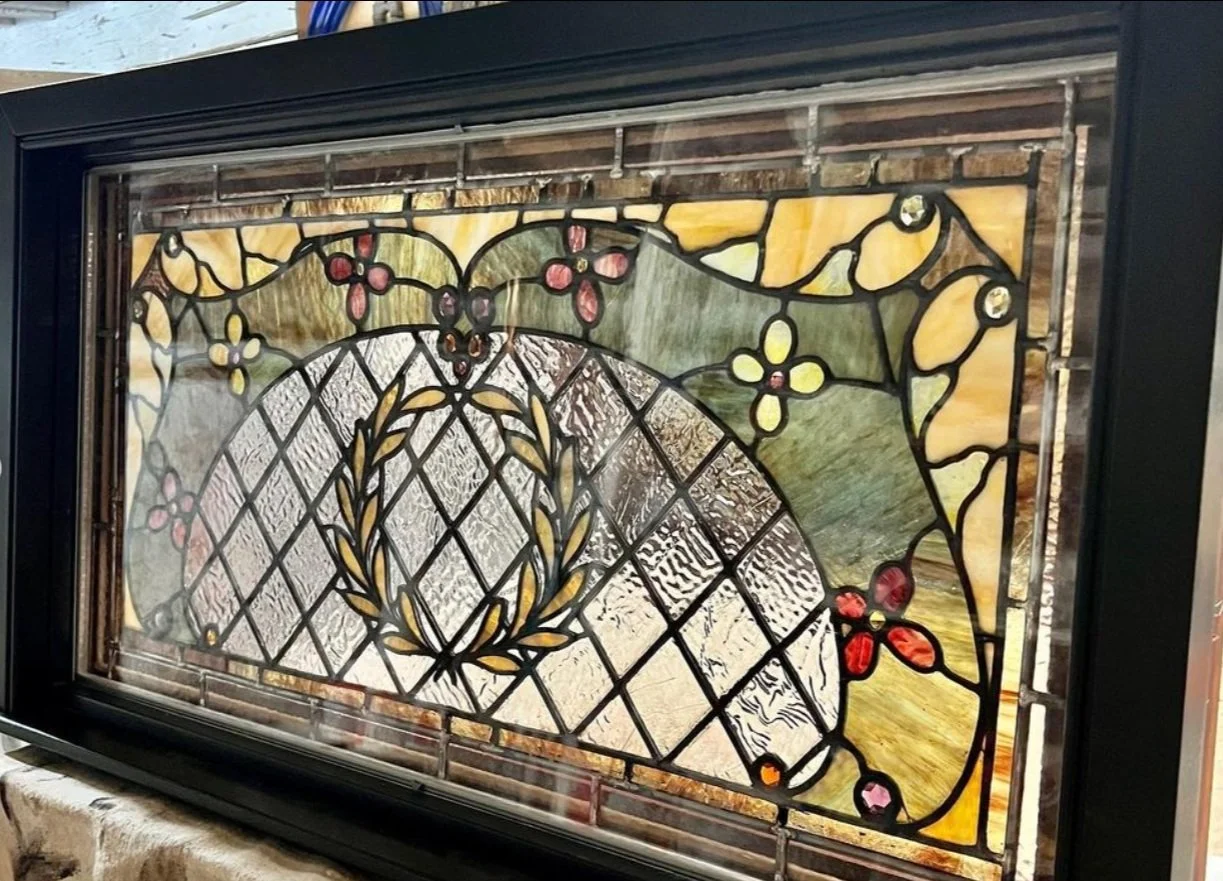
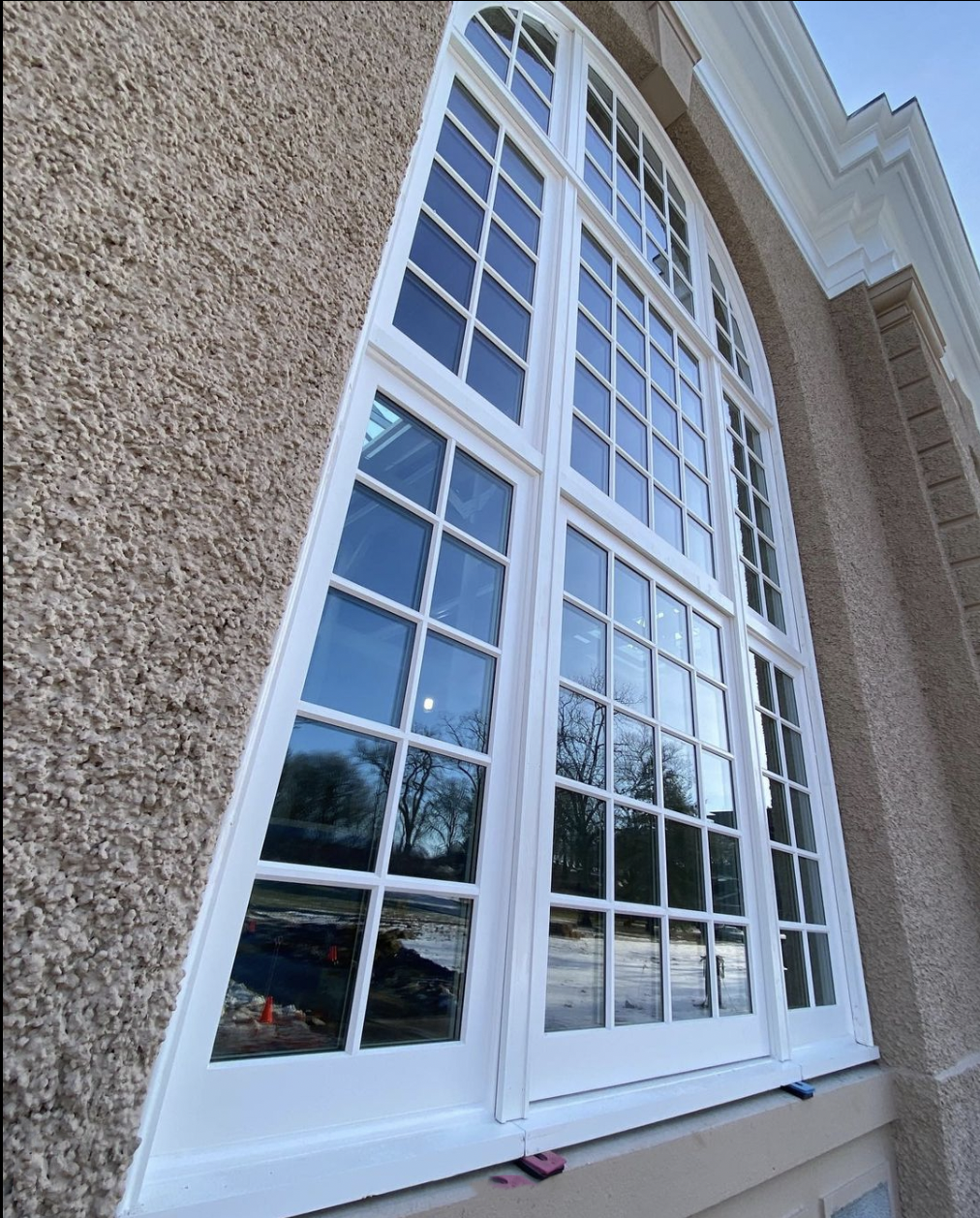
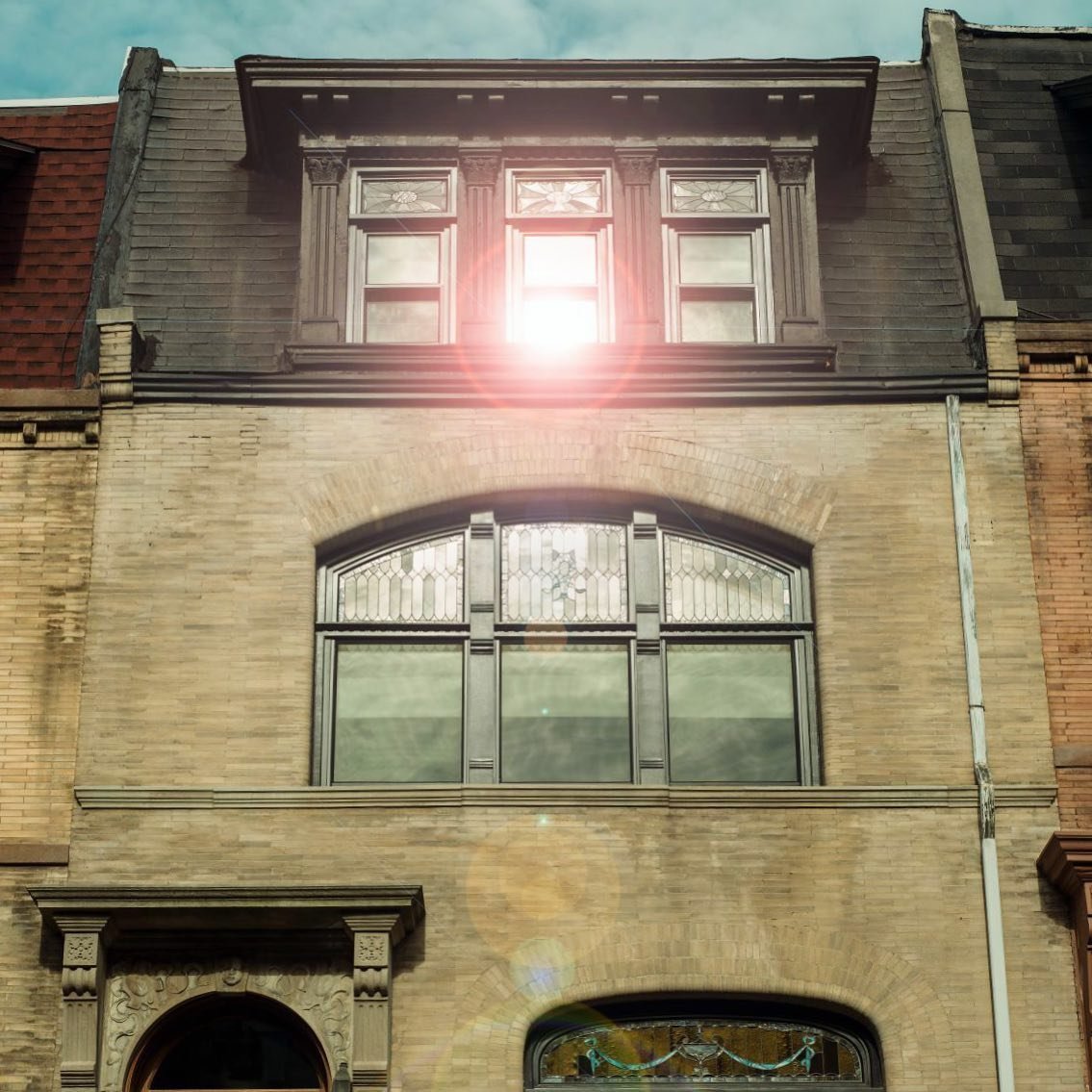
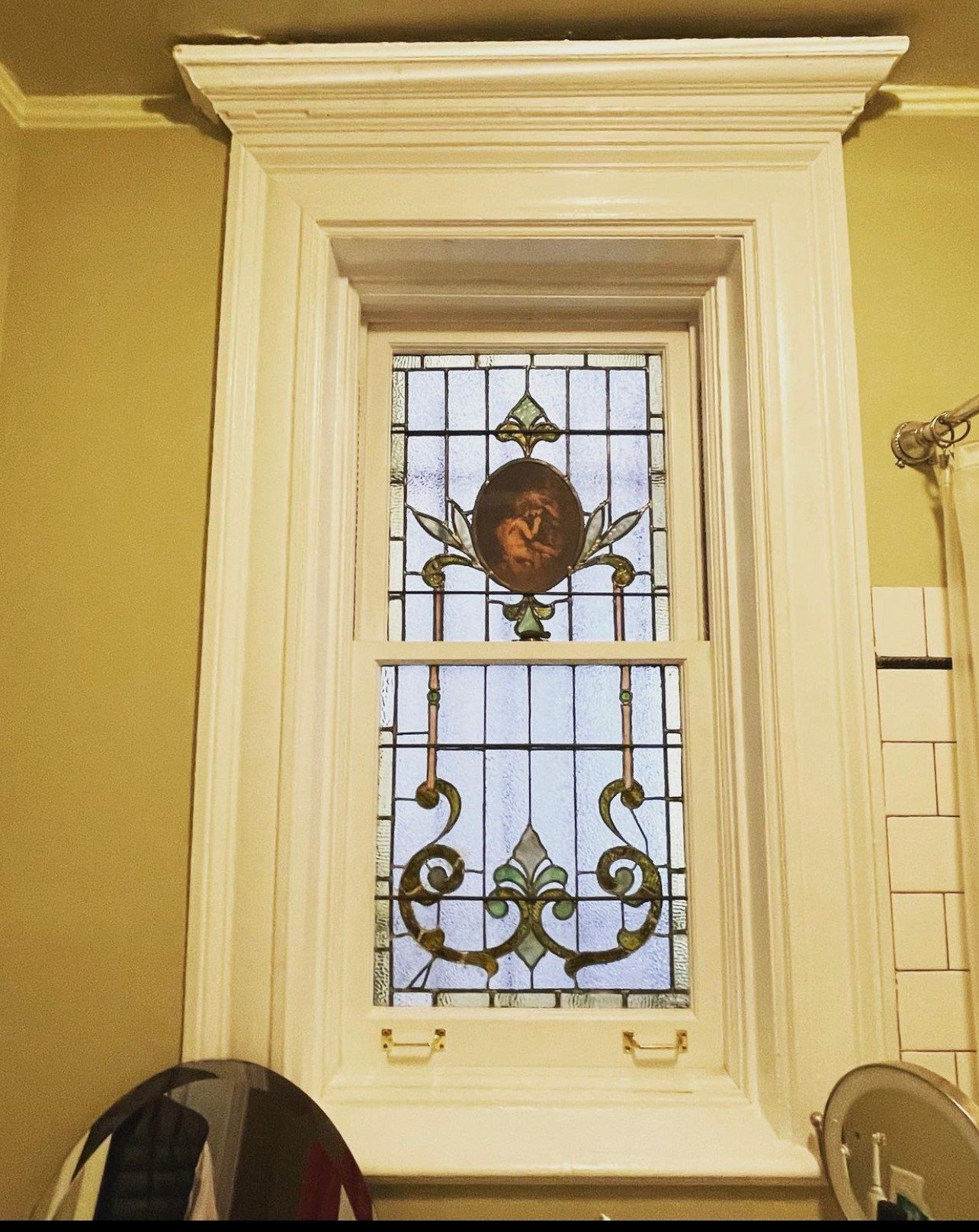
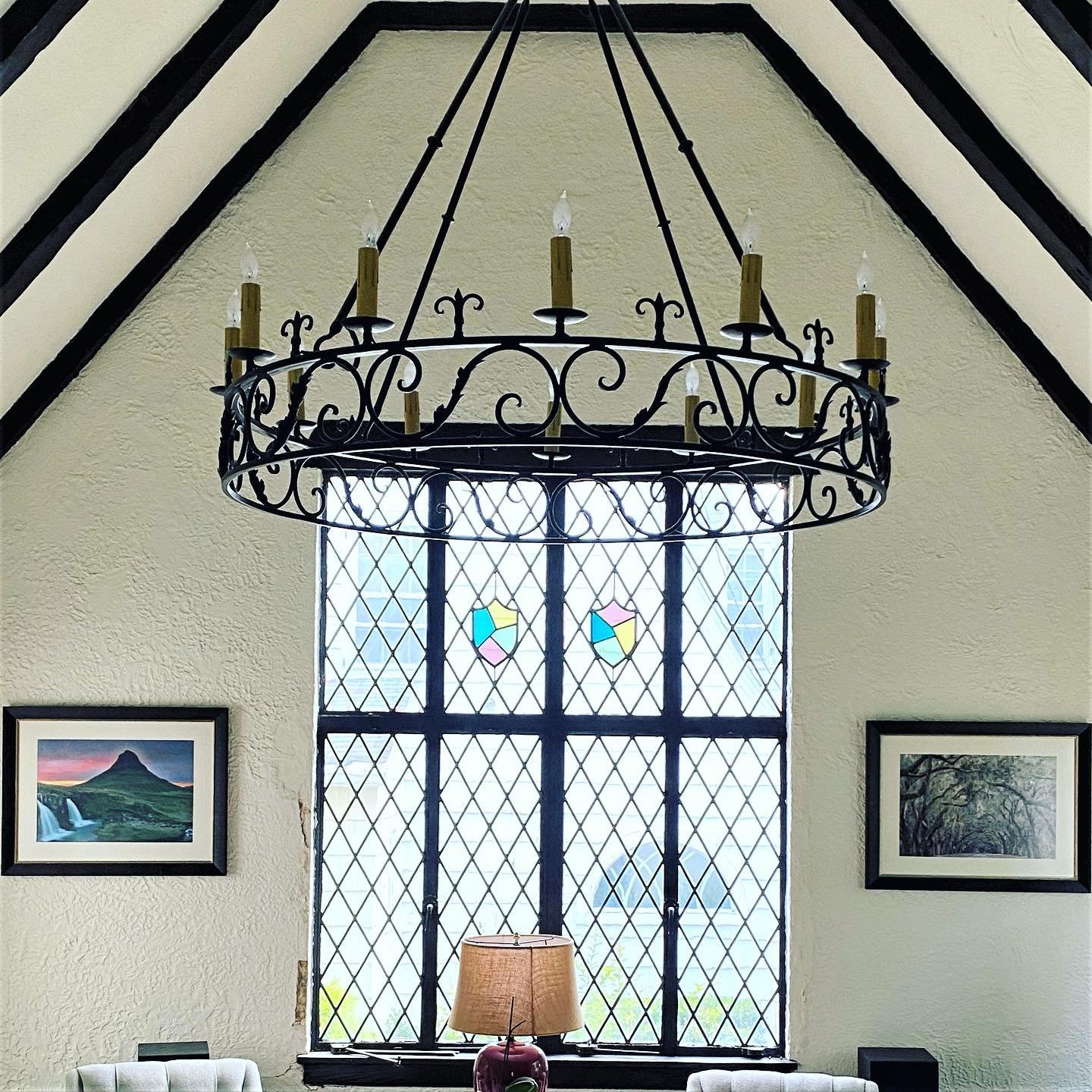
Some of NYC's older churches, cathedrals, and historic buildings showcase the beauty of stained glass windows. These intricate artworks add a religious or artistic element to the architecture, telling stories through vibrant colors and detailed designs. Stained glass windows are a nod to the city's rich history and cultural diversity.
Tilt and Turn Windows: Modern and Functional
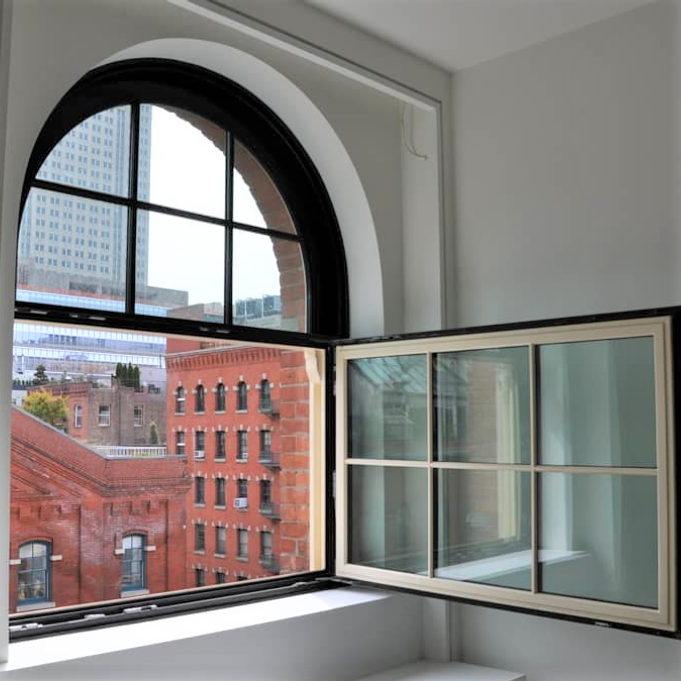
Tilt and turn windows are a versatile option increasingly seen in modern NYC buildings. These windows can be tilted for ventilation or opened fully like a casement window. Their flexibility in design and functionality makes them suitable for a variety of architectural styles.
Energy-Efficient Windows: Future in Sustainability
As sustainability becomes a priority, energy-efficient windows are gaining popularity in New York City. These windows are designed to reduce heat loss, improve insulation, and lower energy bills. They come in various styles and materials, aligning with the city's commitment to a greener future.
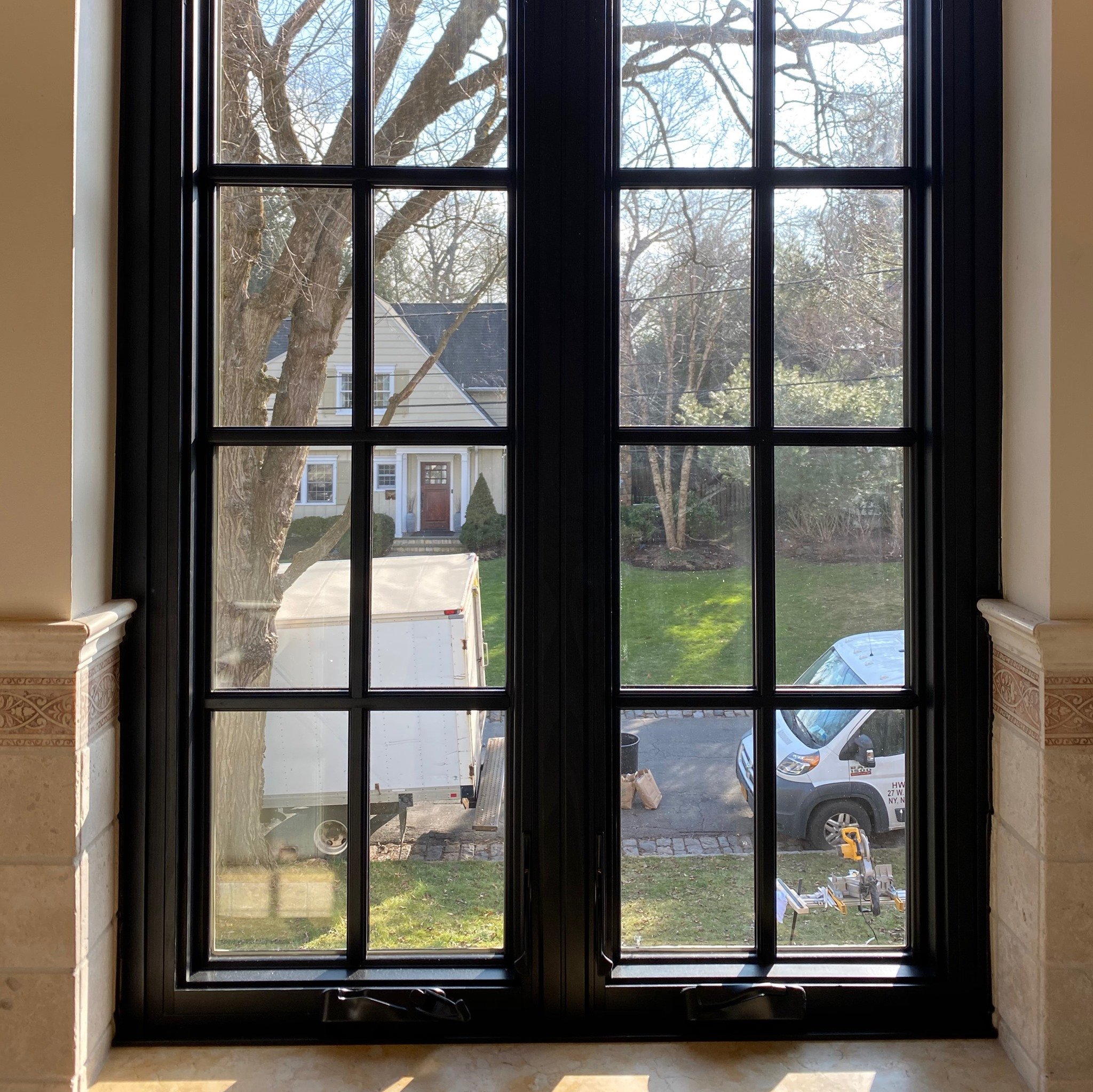
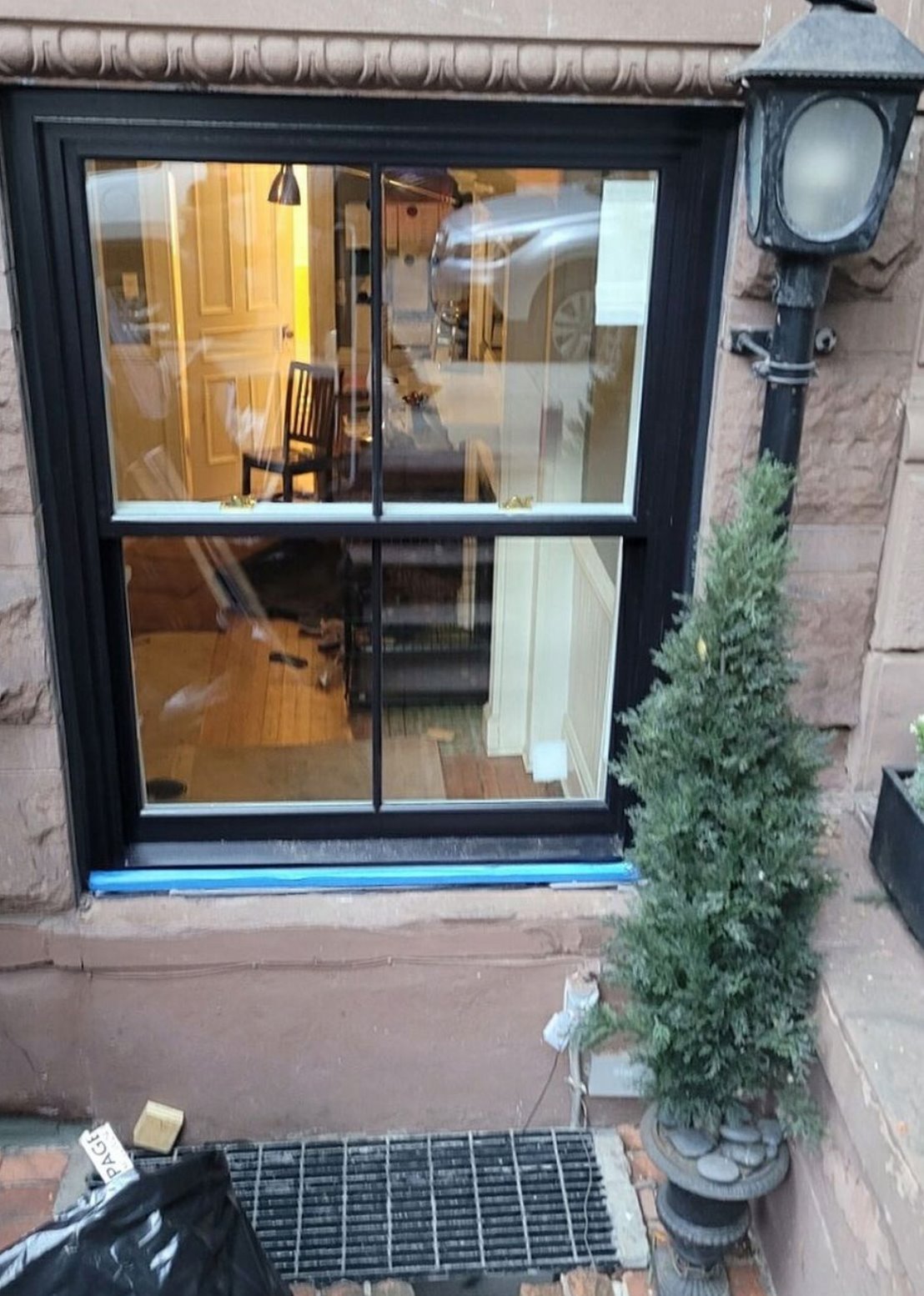
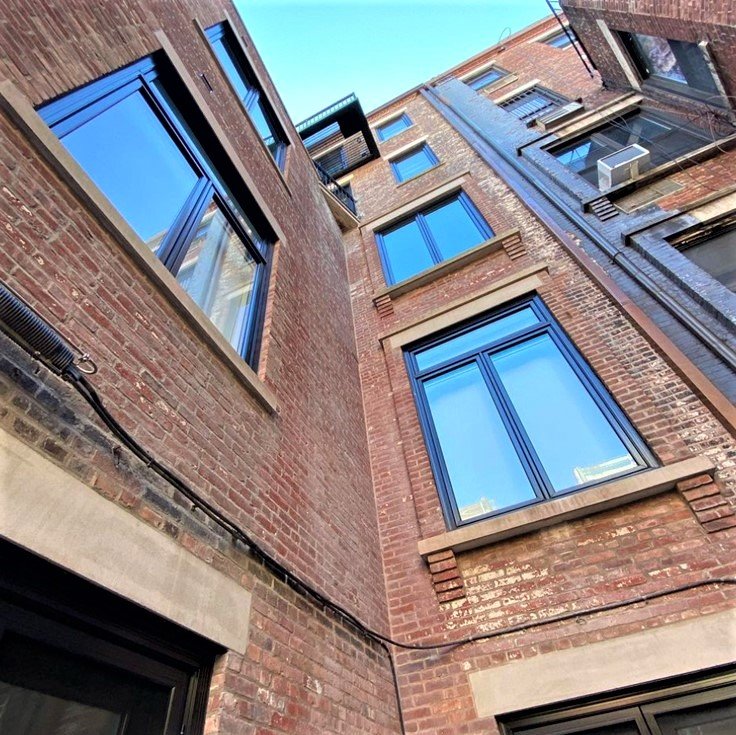
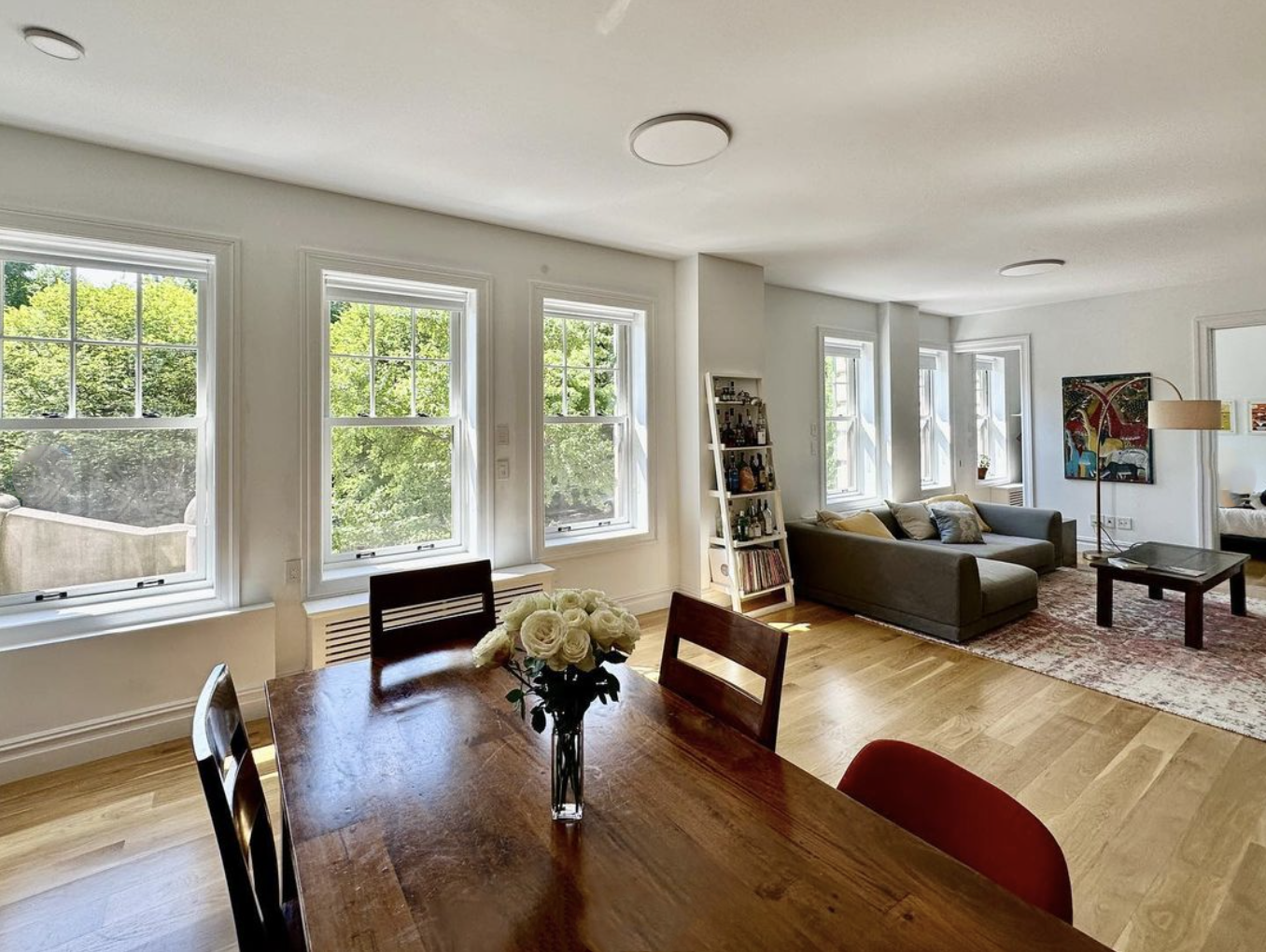
The diverse array of windows in New York City's buildings reflects the city's architectural evolution over the years. From classic double-hung windows to modern, energy-efficient designs, each style contributes to the unique character of the cityscape. Whether you're strolling through historic neighborhoods or gazing at the skyline from a high-rise, the windows of NYC tell a captivating story of innovation, aesthetics, and functionality.
ARE YOU AN AUDIO LISTENER?

High Performance: Making your windows work for you
No matter how you slice it, windows are giant holes in your building’s walls. But high performance windows mitigate energy loss through these glass-covered holes without sacrificing the quality of light or aesthetics. There are three main design elements to high performance windows: insulation, coatings, and the frame material.
No matter how you slice it, windows are giant holes in your building’s walls! But high performance windows mitigate energy loss through these glass-covered holes, without sacrificing the quality of light or aesthetics. There are three main design elements to high performance windows: insulation, coatings, and the frame.

A cut-away of a triple-glazed window with thin glass set in an insulated fiberglass frame (image courtesy of our partners at Alpen High Performance Products).
Insulated windows rely on old technology: the first insulated window was patented in 1865 by Thomas Stetson. An insulated window simply consists two or more panes of glass bound together by a seal around the edges. The seal keeps air between the panes, and the air slows the transfer of heat between the layers of glass. This insulation helps prevent heat transfer in winter, where the thermal energy naturally moves from the warm conditioned space to the colder exterior, and in the summer, where heat from the hotter environment moves to the cooler conditioned space through the window.
If there are two layers of glass with a single layer of insulating gas, the window is known as double-paned or double-glazed. If there are three layers of glass and two layers of insulating gas, it’s a triple-pane or triple-glazed window. The layers of glass may be different thicknesses.
Spacers are used between the glass layers to stabilize the glazing and keep the panes the correct distance apart. They also allow for thermal expansion and changes in pressure and help prevent moisture and gas leaks.
What’s new about insulated windows is what’s between the panes of glass. Instead of just air, most modern high performance windows contain argon. Argon is inert (unreactive) gas found in the atmosphere. It’s colorless, odorless, and non-toxic. Argon has a greater density than air, which makes it a better insulator. In fact, argon’s thermal conductivity is 67 percent less than air. A window’s thermal conductivity is described by its U-factor, or the rate at which a window (or door) conducts non-solar heat flow. The lower the U-factor, the better the insulator.
Argon isn’t the only gas available to insulate windows. Krypton and xenon, or blends of the two, provide an even lower U-factor than argon because they’re denser. But, the trade-off is cost: insulating with either of these gases cost more than argon.
In addition to insulated glass, high performance windows may have a low-e or low-emissivity coating. Emissivity is the measure of how much a surface emits thermal radiation. Low-e coatings are microscopically thin and minimize the amount of infrared and ultraviolet light transmitted through the glass. The amount of visible light is unchanged. The coating is typically a metal or metallic oxide that is applied directly to the surface of one or more of the layers of glass. Like insulating gas, low-e coatings reduce the U-factor of the window.
In the summer, low-e coatings keep interiors cooler by reflecting the heat off the exterior of the glass. And because low-e coatings also reflect ultraviolet light, furnishings fade less than with conventional window glass. In the winter, low-e windows reflect the interior radiant heat back into the building rather than transmitting it through the glass.

Low-e coatings at work in summer (image courtesy of our partners at Alpen High Performance Products).

Low-e coatings at work in winter (image courtesy of our partners at Alpen High Performance Products).
Spectrally selective coatings are a specialty low-e option. Spectrally selective coatings are optically designed to reflect specific wavelengths while allowing others to be transmitted. For example, a spectrally selective coating may reflect infrared heat from the solar spectrum. This gives the window a low solar heat gain coefficient (SHGC) as well as a low U-factor. The SHGC is the percentage of solar radiation emitted through the window.
The last piece of the high performance puzzle is the material that holds the glass in place—the window frame. The window frame provides structural stability to the window, resistance to rain and moisture, and like glass, have thermal properties. Window frames can be constructed of wood, fiberglass, vinyl, composites, or metal.
Wood frames are a traditional choice and provide good insulation.
Vinyl frames and fiberglass frames have air cavities that can be insulated to increase their energy efficiency.
Composite frames are made from a wood and polymer material. They offer a similar or better efficiency than wood frames.
Metal conducts heat very well, so metal frames are the least energy efficient frame material. Heat loss can be mitigated though through the addition of a thermal break—an insulating strip of plastic or other material placed between the frame and the sash.