

News
OUR WORK IN ACTION
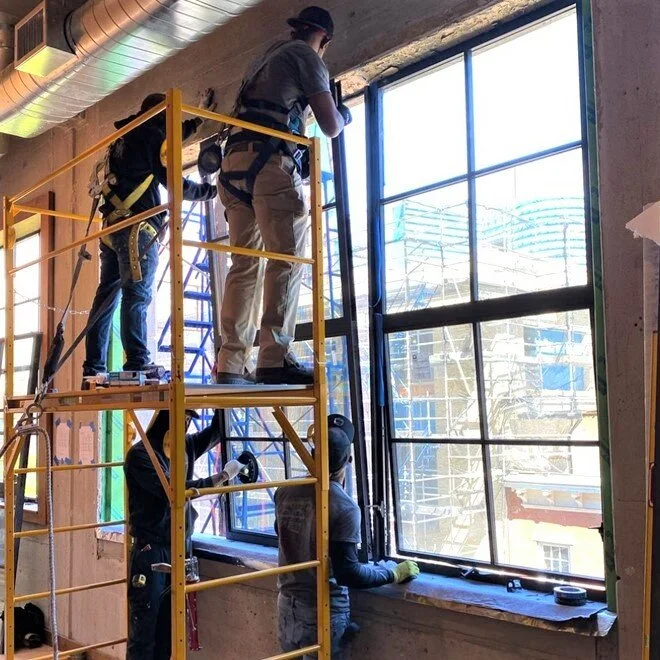
NYC’s Preservation Laws | Restoring Historical Windows
New York City is home to countless iconic buildings, many of which are designated as landmarks due to their historical significance and architectural beauty. A critical part of maintaining these buildings is the preservation of their original windows.
New York City is home to countless iconic buildings, many of which are designated as landmarks due to their historical significance and architectural beauty. A critical part of maintaining these buildings is the preservation of their original windows. If you own or manage a landmarked property, understanding NYC’s preservation laws is essential when it comes to restoring or replacing historical windows. We specialize in custom historic windows and ensure compliance with all regulations, making the restoration process stress-free and seamless.
Why Preservation Laws Matter for Historical Windows
The Landmarks Preservation Commission (LPC) is responsible for overseeing modifications to landmarked properties in NYC, including window restoration and replacement. These guidelines are in place to protect the architectural integrity of buildings and ensure that any changes are consistent with their historical character.
If your building is under landmark status, making unauthorized changes to your windows, such as installing modern replacements that don't match the original style, can lead to penalties and costly retrofits. That's why it’s essential to work with an experienced window company near you that is familiar with LPC’s guidelines for historical windows.
Key Guidelines for Restoring Landmarked Windows in NYC
When working on landmarked windows in New York, there are several key guidelines you must follow:
Matching Original Materials and Design: Any restoration or replacement of historic windows must match the original design, material, and details. Whether your building features double-hung, casement, or arched windows, they need to be replicated as accurately as possible. Our window company in NYC offers custom historic windows that meet these exacting standards.
Energy-Efficient Upgrades: While LPC encourages maintaining historical accuracy, they also recognize the importance of energy efficiency. You can often install energy-efficient glass and materials as long as they don’t alter the window’s appearance.
Consultation and Approval: Before starting any restoration or replacement project, you must get approval from the LPC. They will review your plans to ensure the new or restored windows meet their guidelines. Our team handles this process, ensuring that every project adheres to local preservation laws.
Window Repair vs. Replacement: The LPC prefers that original windows be repaired rather than replaced. If your windows are beyond repair, they may approve a full replacement, but only if the new windows are an exact match to the originals in terms of materials, details, and craftsmanship.
Our Expertise in Custom Historic Windows and Restoration
As a trusted window company in New York City, we have extensive experience navigating these preservation laws and successfully restoring landmarked windows across the city. Whether you're restoring original windows or replacing them with custom historic windows, our team has the expertise to ensure your project complies with LPC requirements.
We use high-quality materials to restore windows to their former glory while incorporating modern features such as energy-efficient glazing. Our team can work with you throughout the consultation and approval process to ensure your project meets all necessary guidelines, saving you time and potential penalties.
When to Replace or Restore Your Historic Windows
Many property owners struggle with the decision to replace or restore historic windows. Restoration is often the preferred choice, as it maintains the building's authenticity and avoids any compliance issues. However, if the windows are too damaged for restoration, our window replacement services in New York City can create custom historic windows that match the original style exactly.
Whether you need repairs, restoration, or full replacement, we have the tools, skills, and experience to deliver top-quality results while adhering to all LPC regulations.
Contact Us for Expert Window Restoration in NYC
Restoring or replacing landmarked windows can be a complex process, but with our help, you can ensure compliance with NYC’s preservation laws while enhancing your property’s energy efficiency and value.
If you're looking for a window company near you that understands the intricacies of working with historical windows, contact us today for a free consultation. Let us help preserve your building’s heritage while meeting the demands of modern living.

A new act for an orangerie
Historical Windows of New York is tackling a National Historic Trust property: helping to transform Kykuit’s orangerie into the new David Rockefeller Creative Arts Center. Historically appropriate, yet high performance windows are key to meeting the Rockefeller Brothers Fund sustainability goals while honoring the history of the estate.
Historical Windows of New York is playing an integral part in breathing new life into Kykuit’s former orangerie and conservatory. Kykuit was home to four generations of the Rockefeller family, with the name inspired by the Dutch word for “look out.” The Pocantico Hills estate is set above the Hudson River, with expansive views of the river and Palisades, outside of Tarrytown, New York.

The orangerie sometime prior to 1933 (Library of Congress).

Kykuit’s orangerie in its heyday (Rockefeller Brothers Fund).
John D. Rockefeller, once the richest man in America, commissioned William Delano and Chester Aldrich to design Kykuit in 1908. Just five years later, architect William Bosworth altered the property into the Beaux Arts villa it is today, constructed of local fieldstone and Indiana limestone. Bosworth also redesigned the gardens, after John Rockefeller found the original Frederic Law Olmstead design lacking.
Kykuit was designated a National Historic Landmark in 1976, and in 1979 Nelson Rockefeller bequeathed his portion of the estate to the National Trust for Historic Preservation. Kykuit is maintained by the Rockefeller Brothers Fund, Historic Hudson Valley provides public visitation services.
The orangerie was modeled after the Palace of Versailles. It served as a home for orange and other citrus trees, but after World War II was mostly utilized as storage. The Rockefeller Brothers Fund announced in 2019 their intention to create the David Rockefeller Creative Arts Center, transforming the long-dormant orangerie into a multipurpose performance and rehearsal space with an art gallery and combined studio-classroom space for community programs.

The orangerie front today.

Work is underway in the interior.

The side of the orangerie.
This is where we come in: in accordance with the Rockefeller Brothers Fund’s commitment to sustainable development, the orangerie will be a net-zero building with the goal of achieving platinum LEED certification. Custom high performance windows that are both energy efficient and historically appropriate are key to this transformation. The architect is also planning a nearby solar panel array and geothermal fields to produce more energy than the building consumes, and a rain garden to reduce the impacts of stormwater.
We plan to install the windows later this year.