

News
OUR WORK IN ACTION
From Casements to Double-Hung | The World of Windows
New York City's skyline is a testament to architectural innovation and diversity. One key element that contributes to the uniqueness of its buildings is the variety of windows used. From historic brownstones to modern skyscrapers, the windows in NYC homes and buildings showcase a rich tapestry of styles and functionalities.
New York City's skyline is a testament to architectural innovation and diversity. One key element that contributes to the uniqueness of its buildings is the variety of windows used. From historic brownstones to modern skyscrapers, the windows in NYC homes and buildings showcase a rich tapestry of styles and functionalities.
Classic Double-Hung Windows: Versatile and Functional
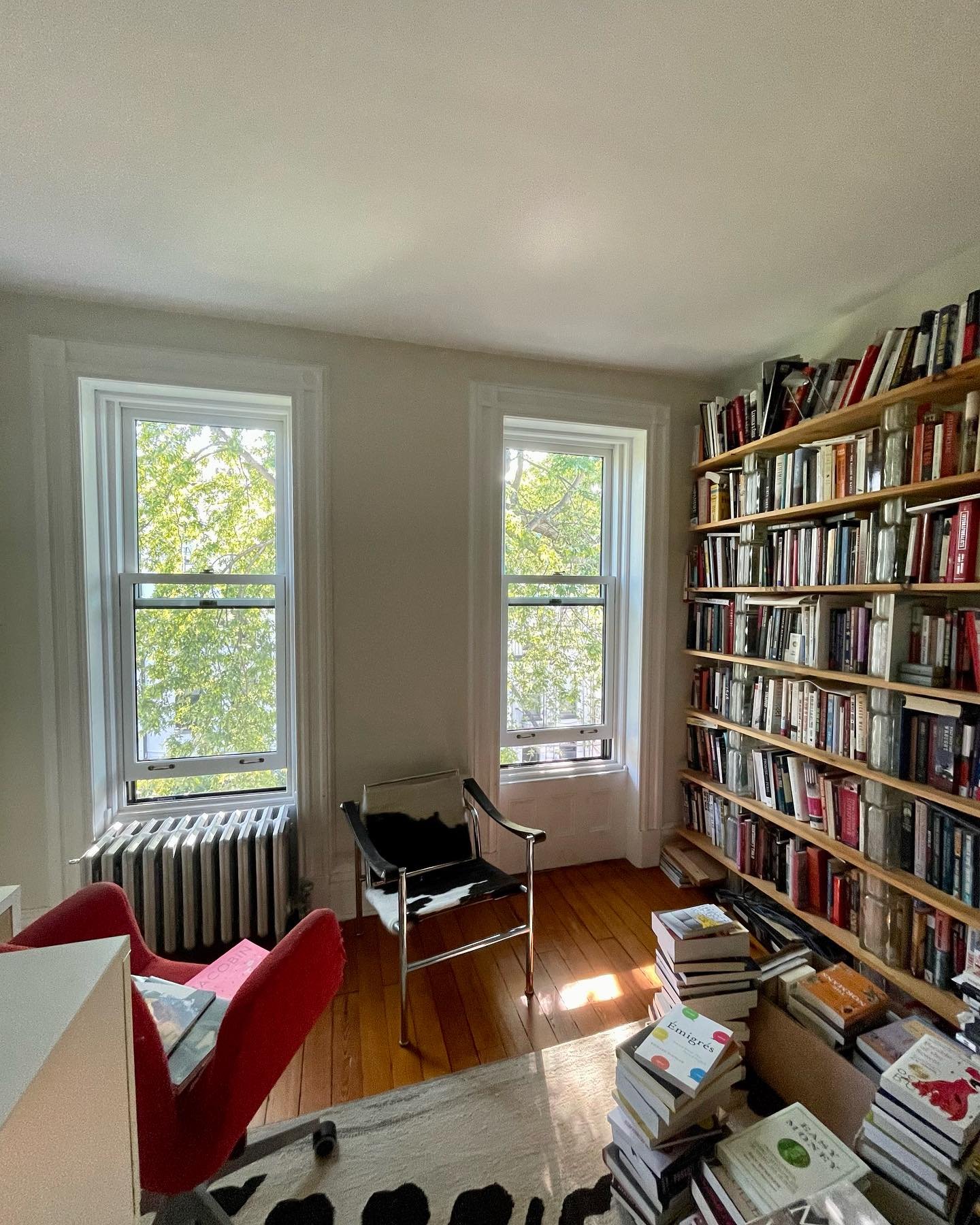
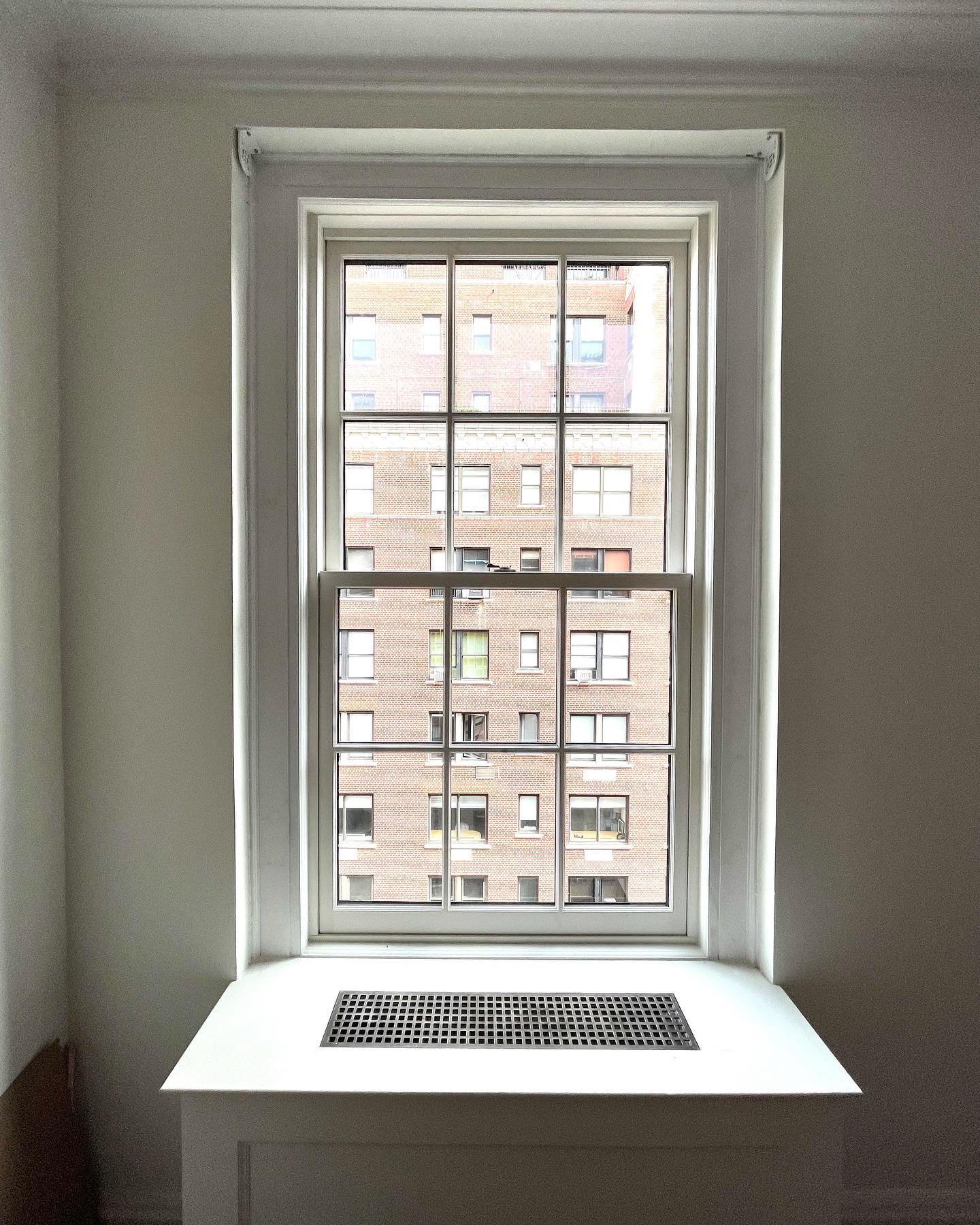
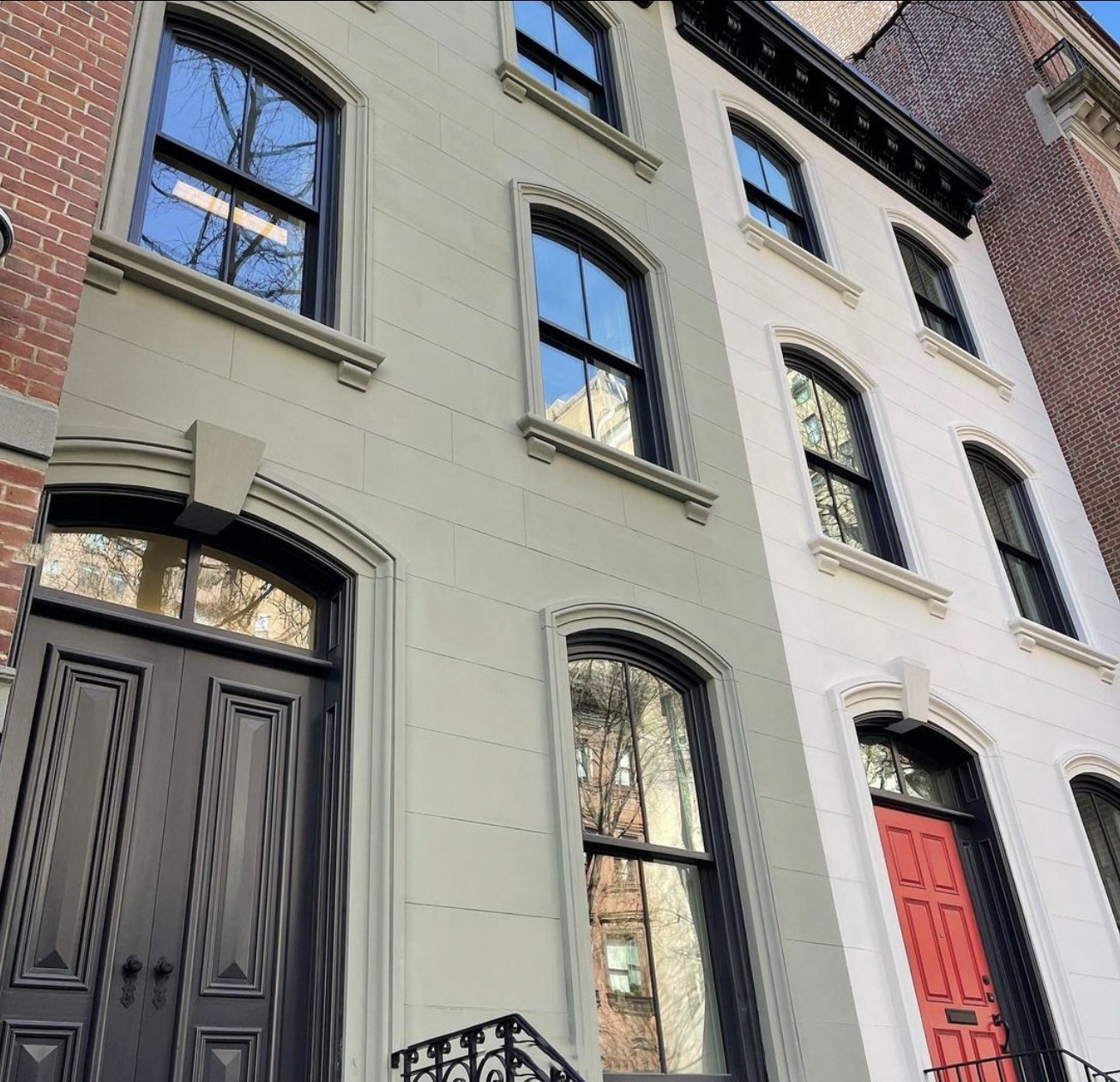
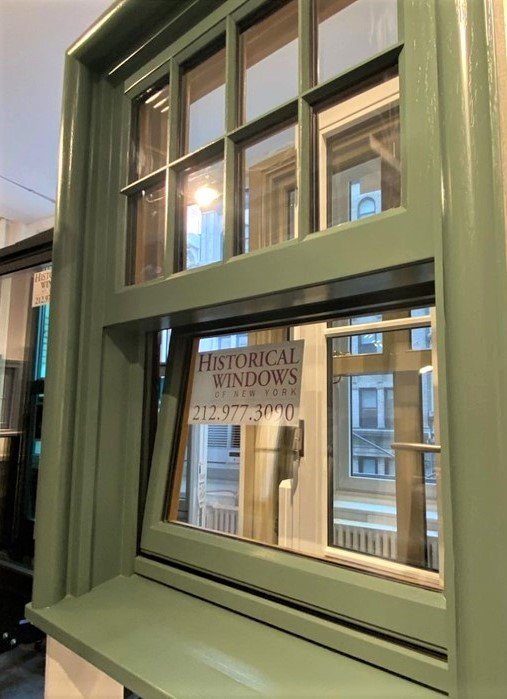
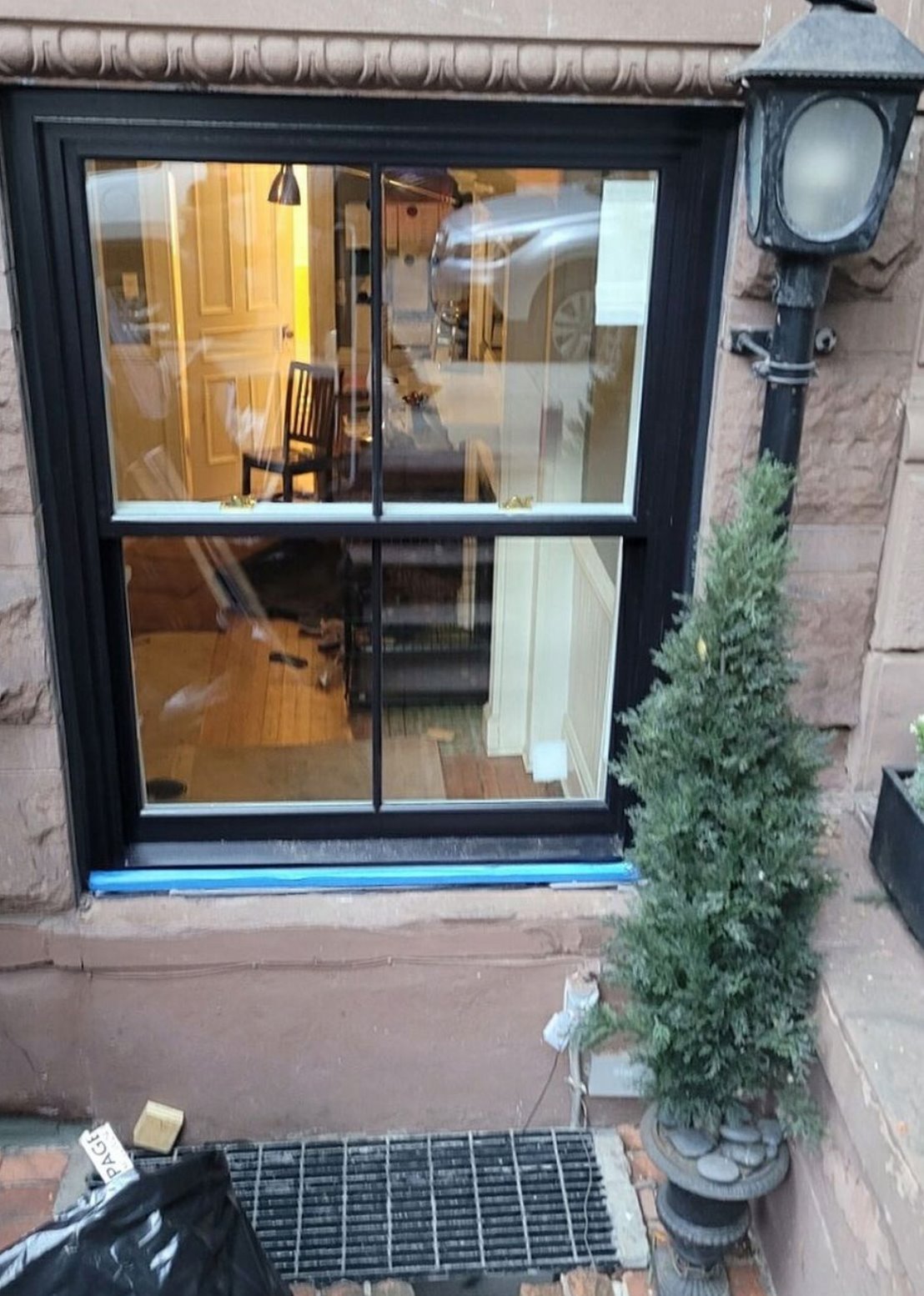
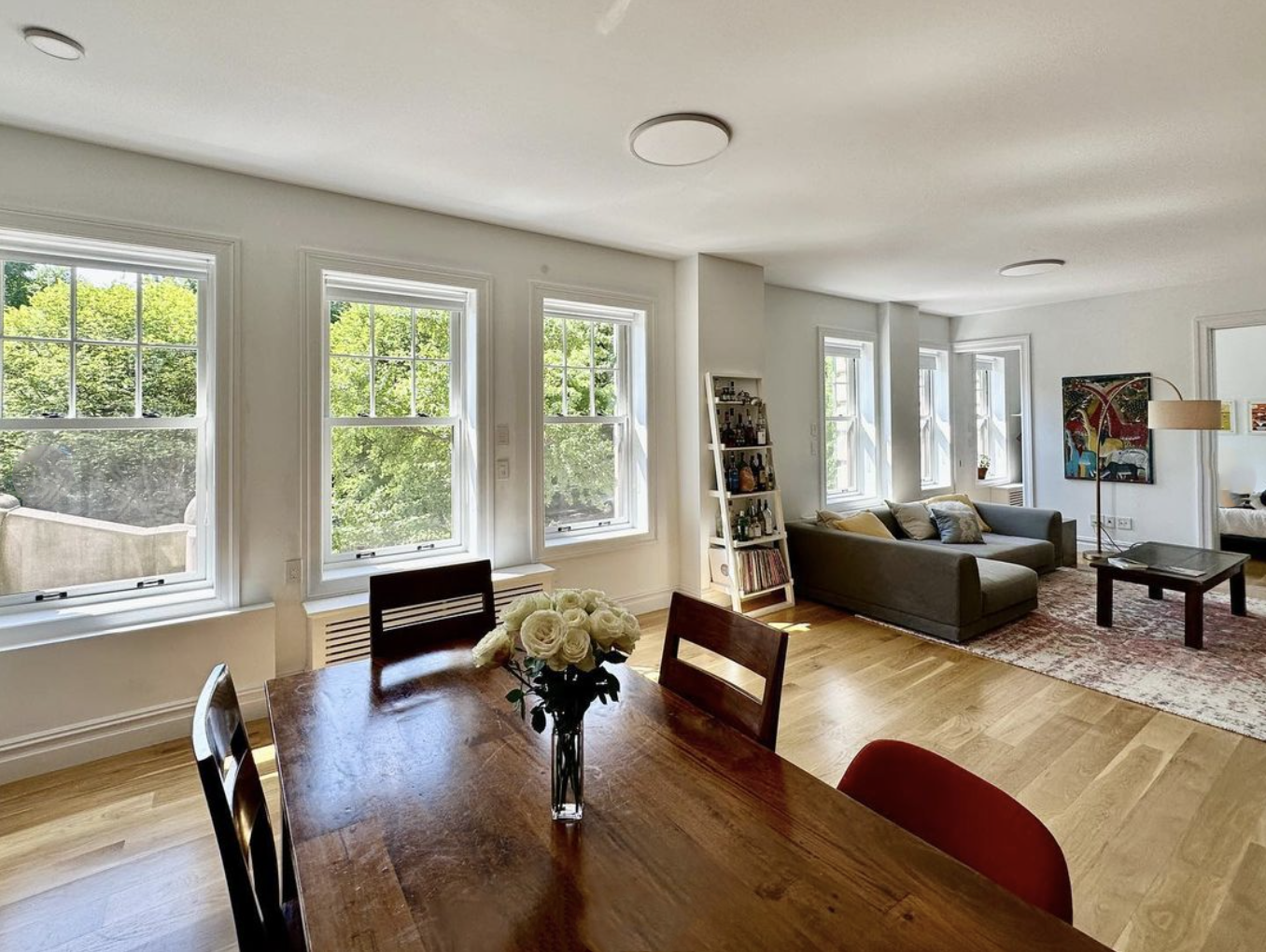
In many of New York City's traditional brownstones and historic buildings, you'll find classic double-hung windows. These windows consist of two sashes that slide vertically, allowing for easy ventilation and maintenance. They are not only aesthetically pleasing but also evoke a sense of timeless elegance.
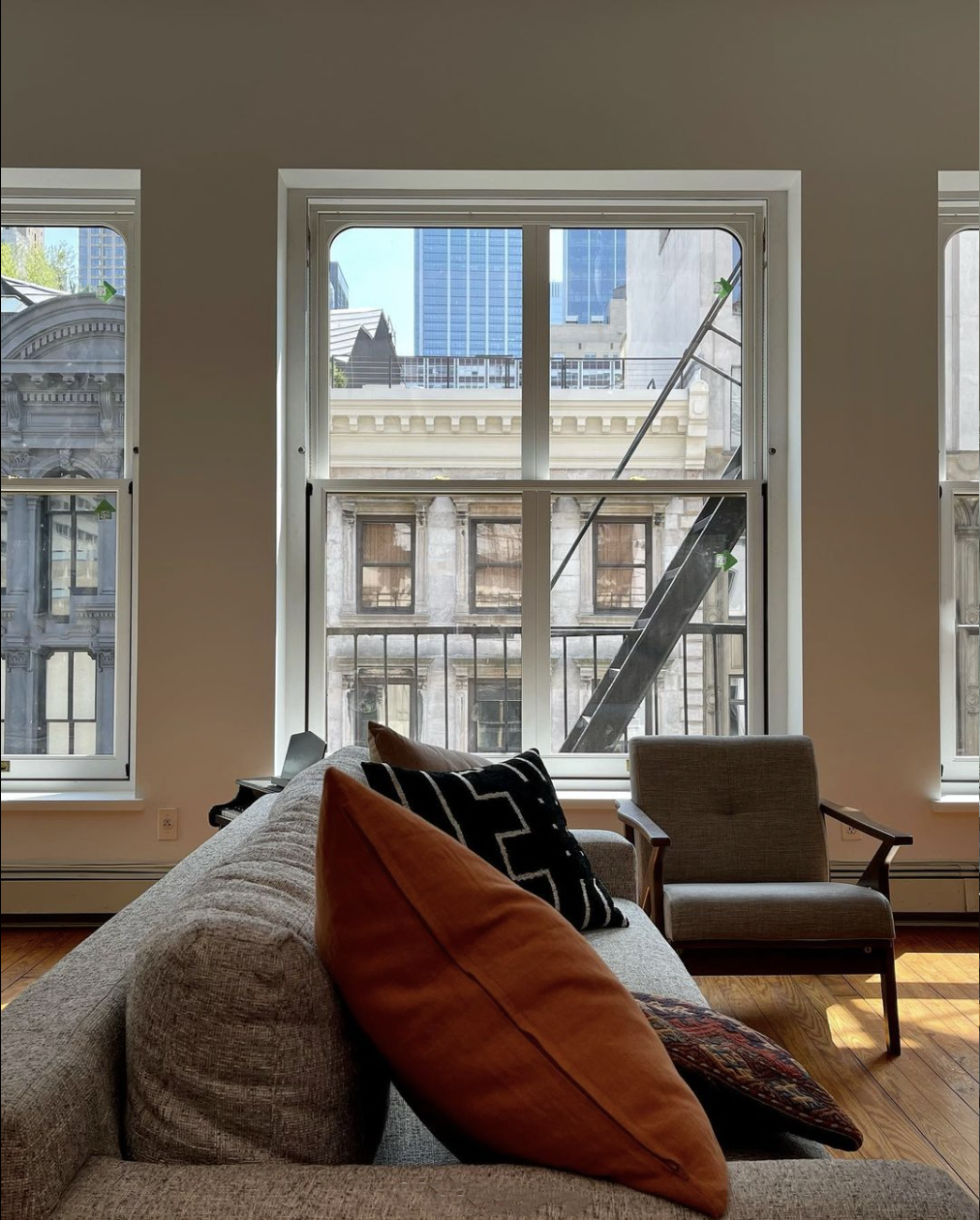
Casement Windows: Contemporary Elegance
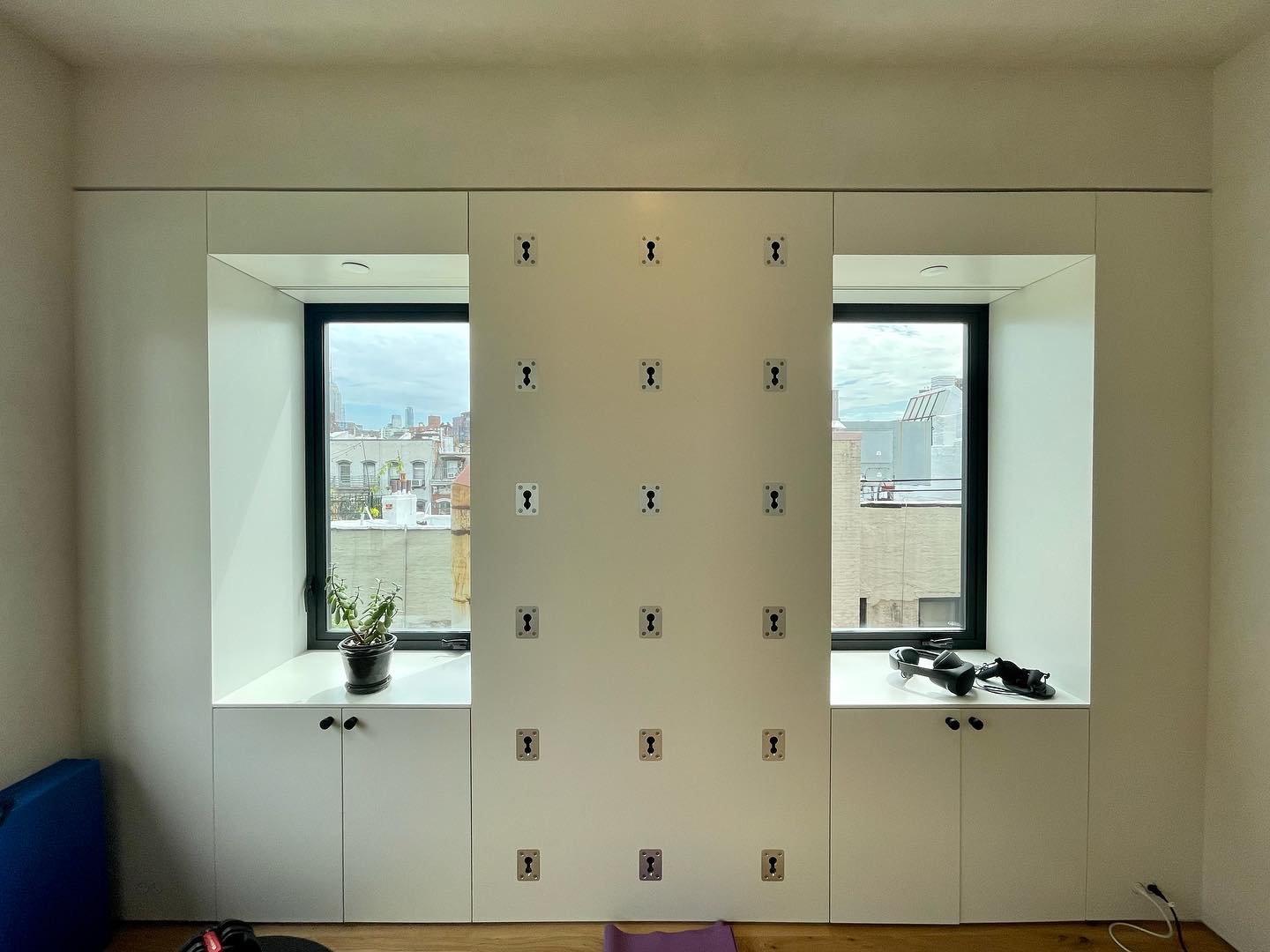
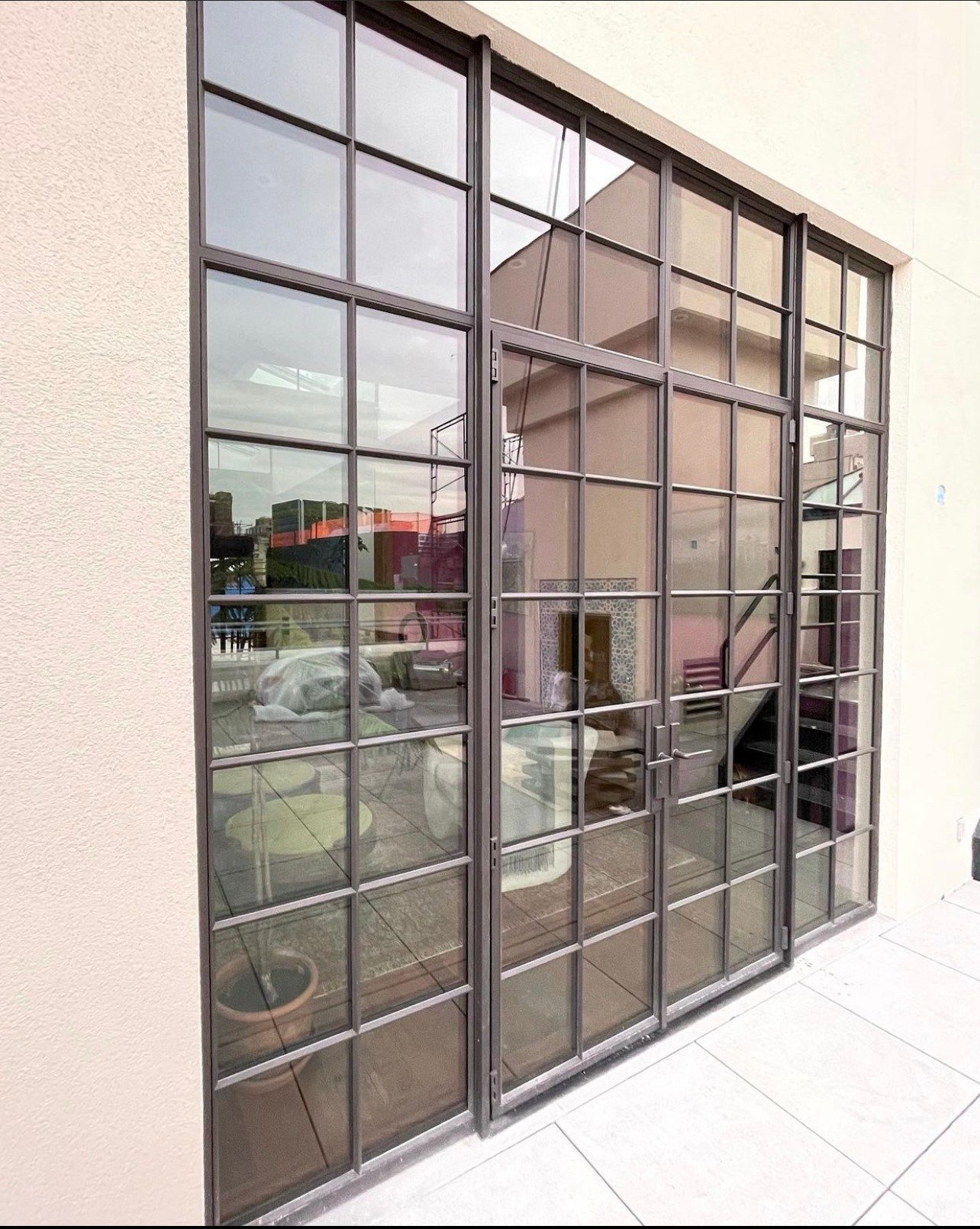
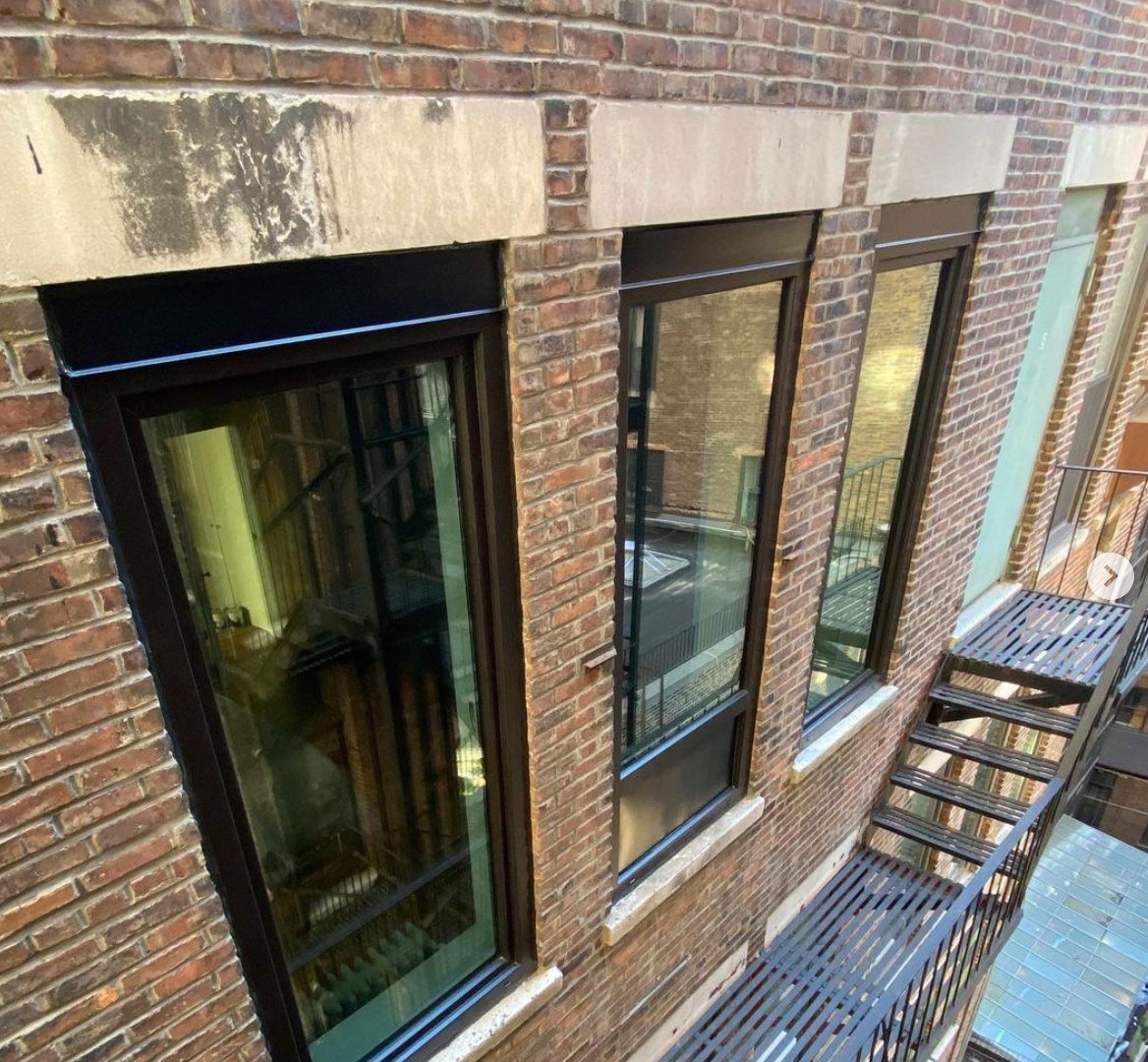
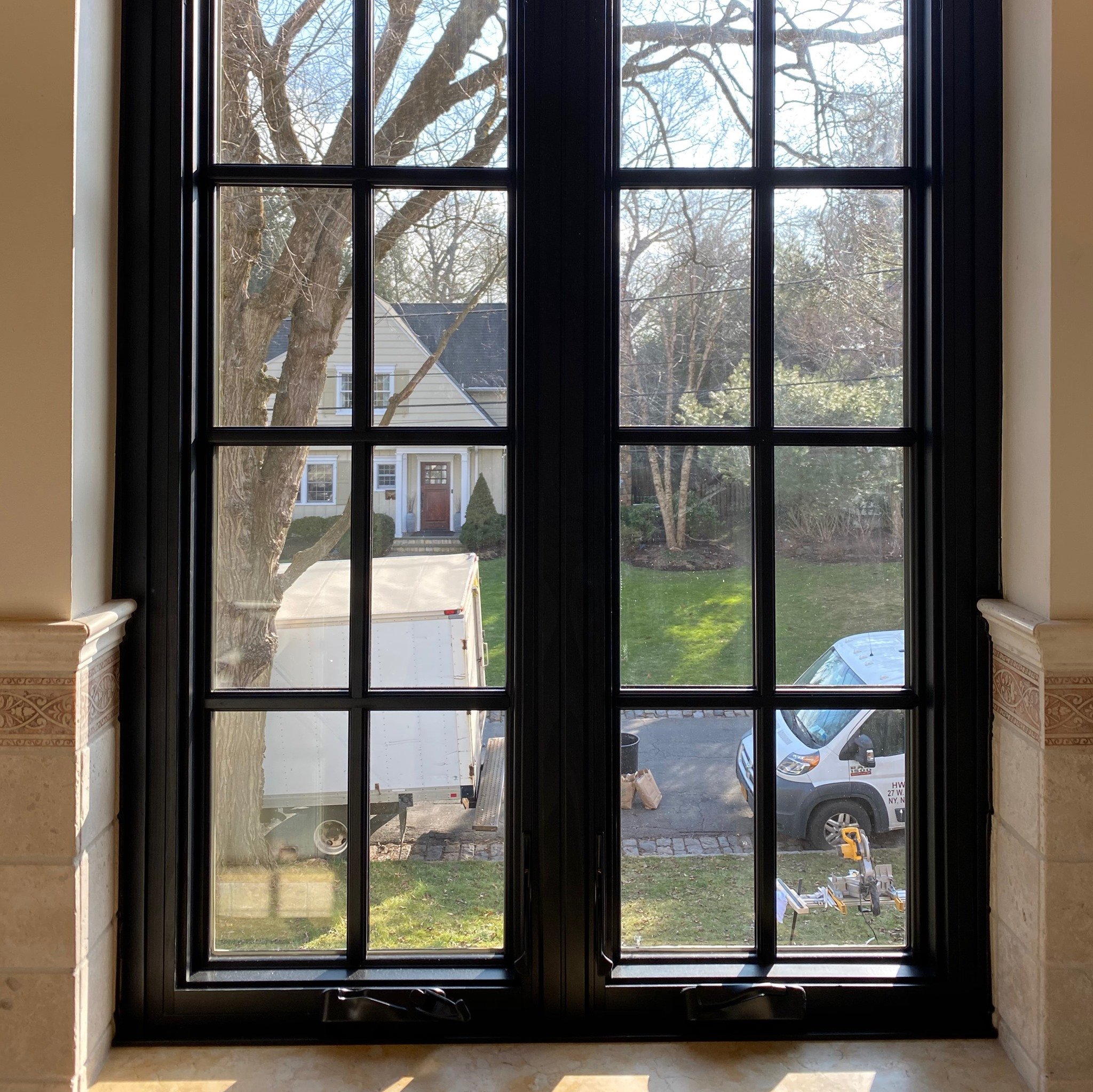
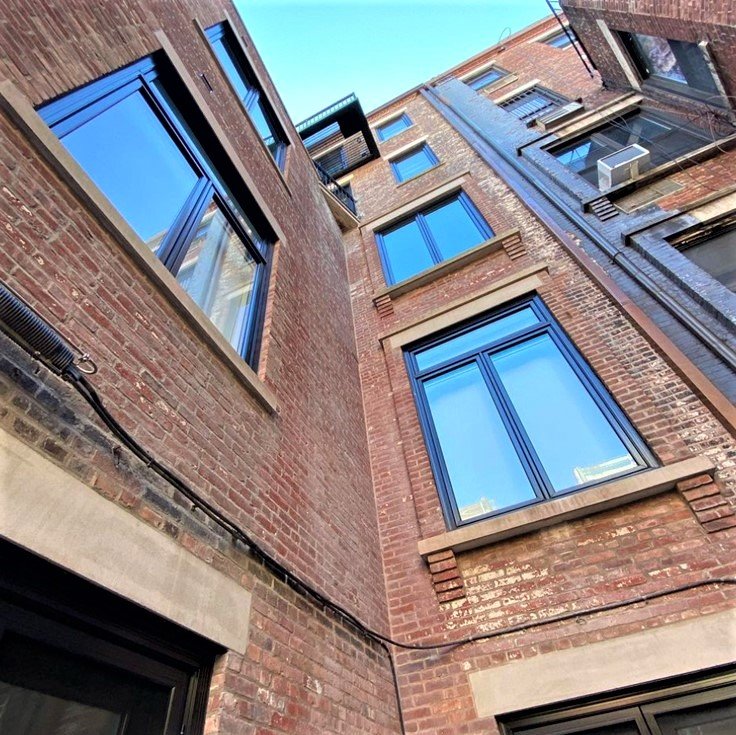
Modern architecture in NYC often embraces casement windows. These windows are hinged on one side and open outward like a door, providing unobstructed views and excellent ventilation. Their sleek design complements contemporary buildings, and they are commonly found in high-rise apartments and office spaces.
Bay and Bow Windows: Architectural Statements
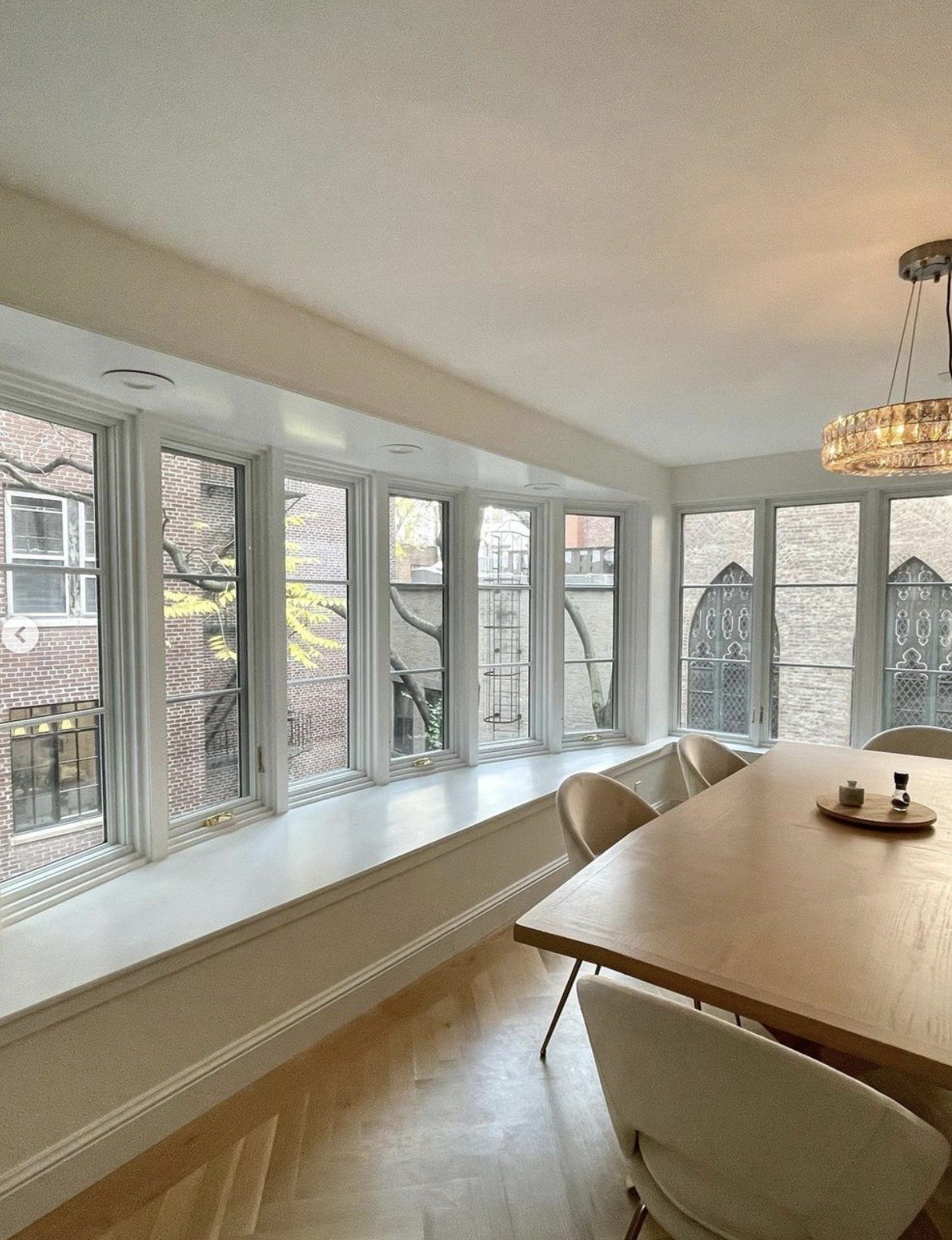
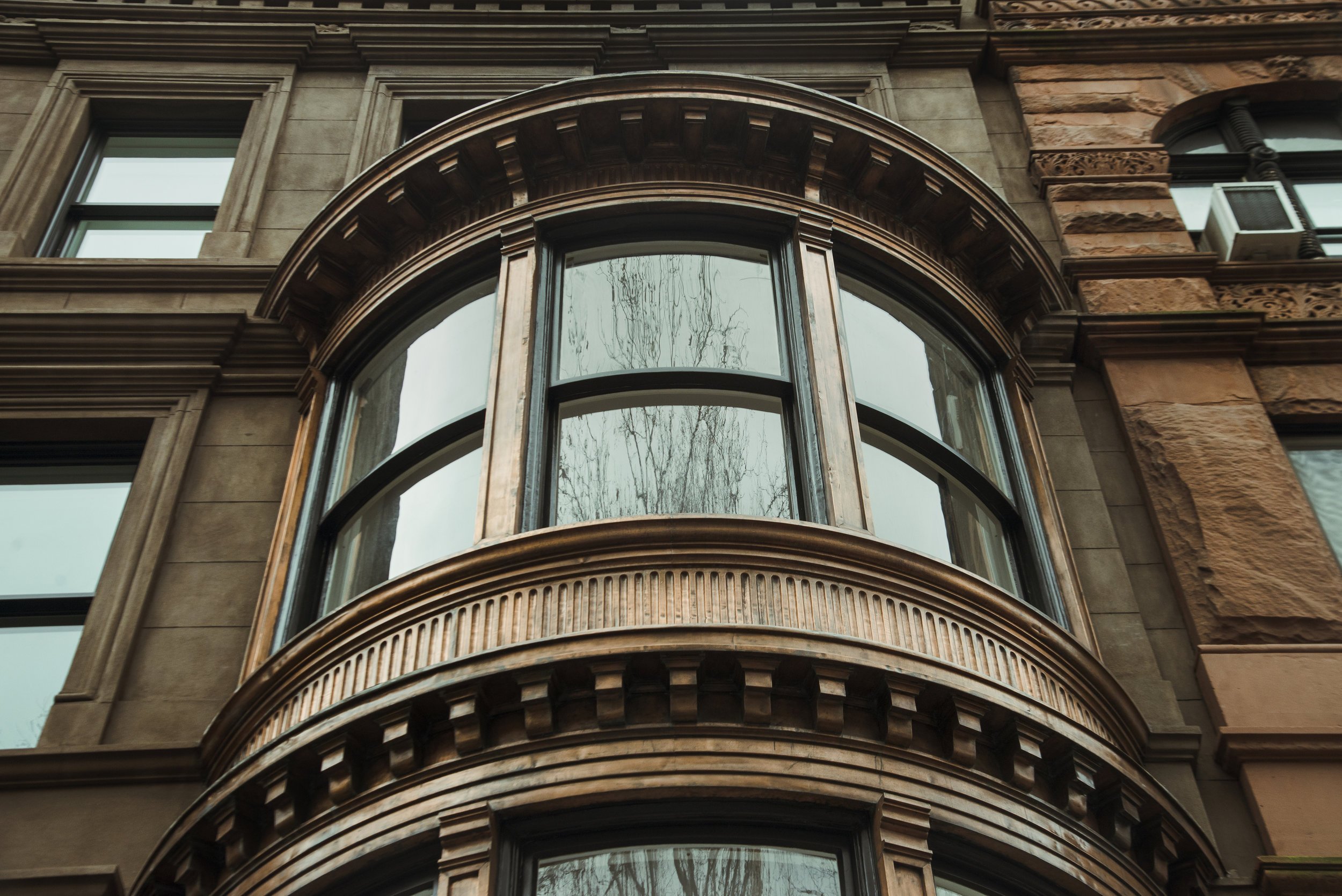
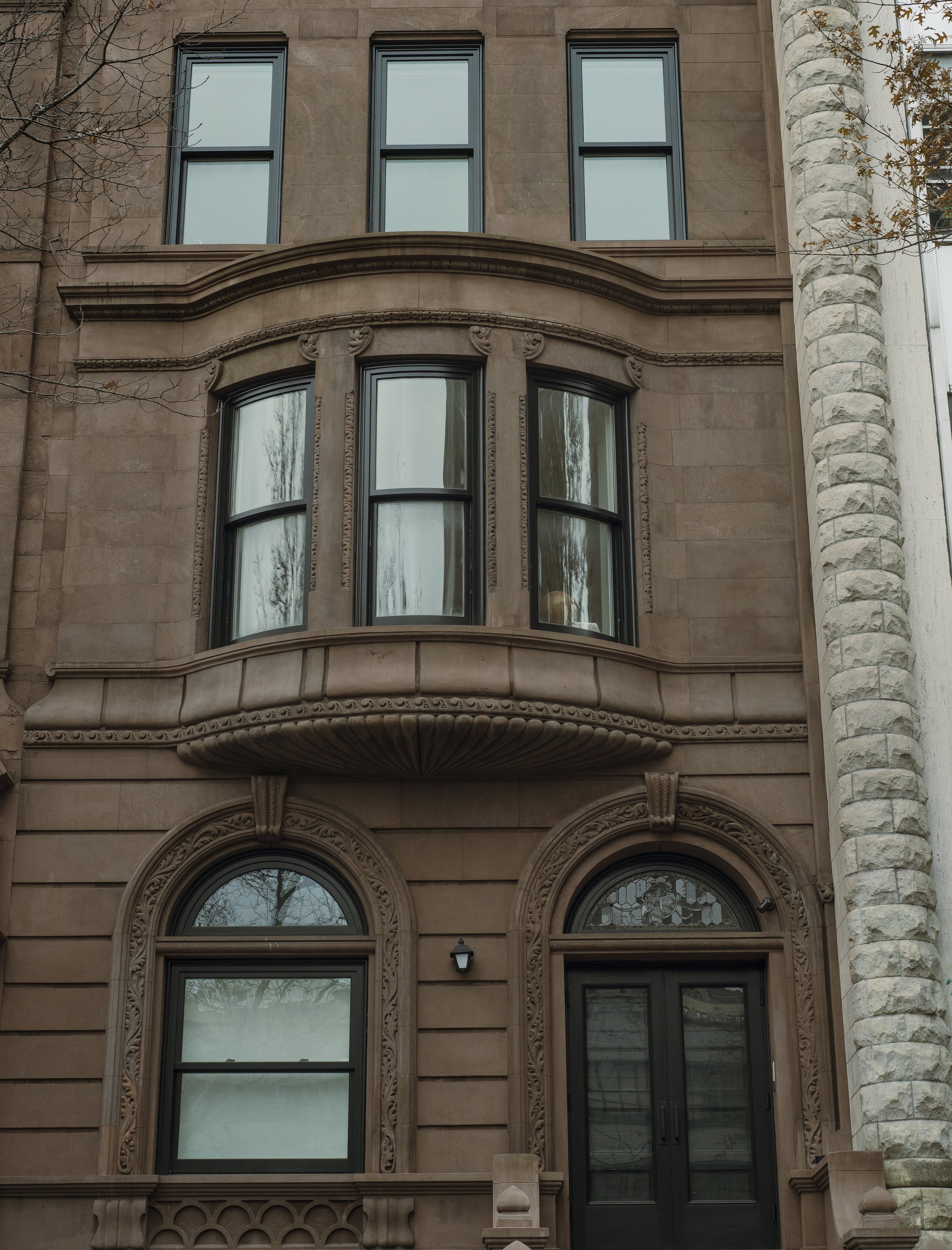
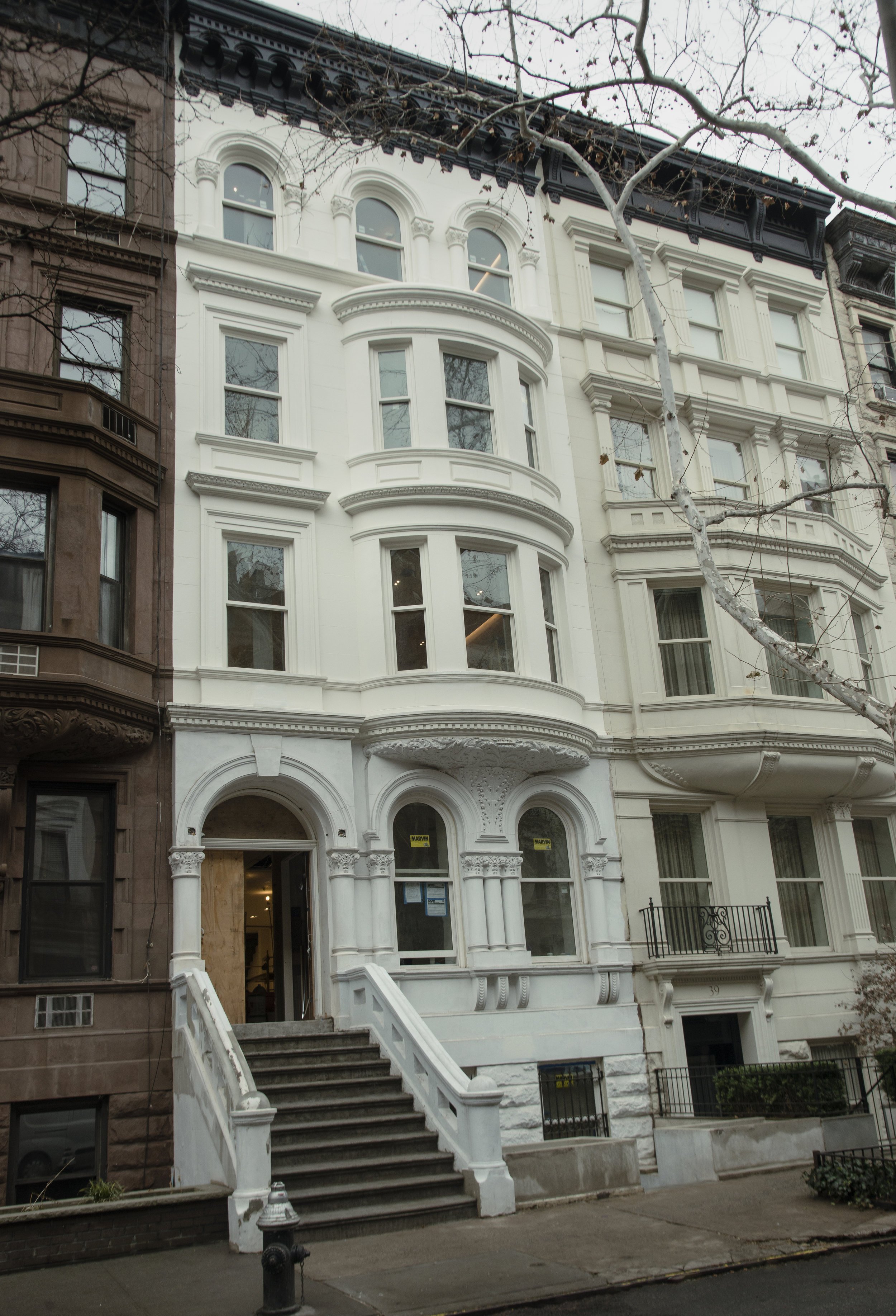
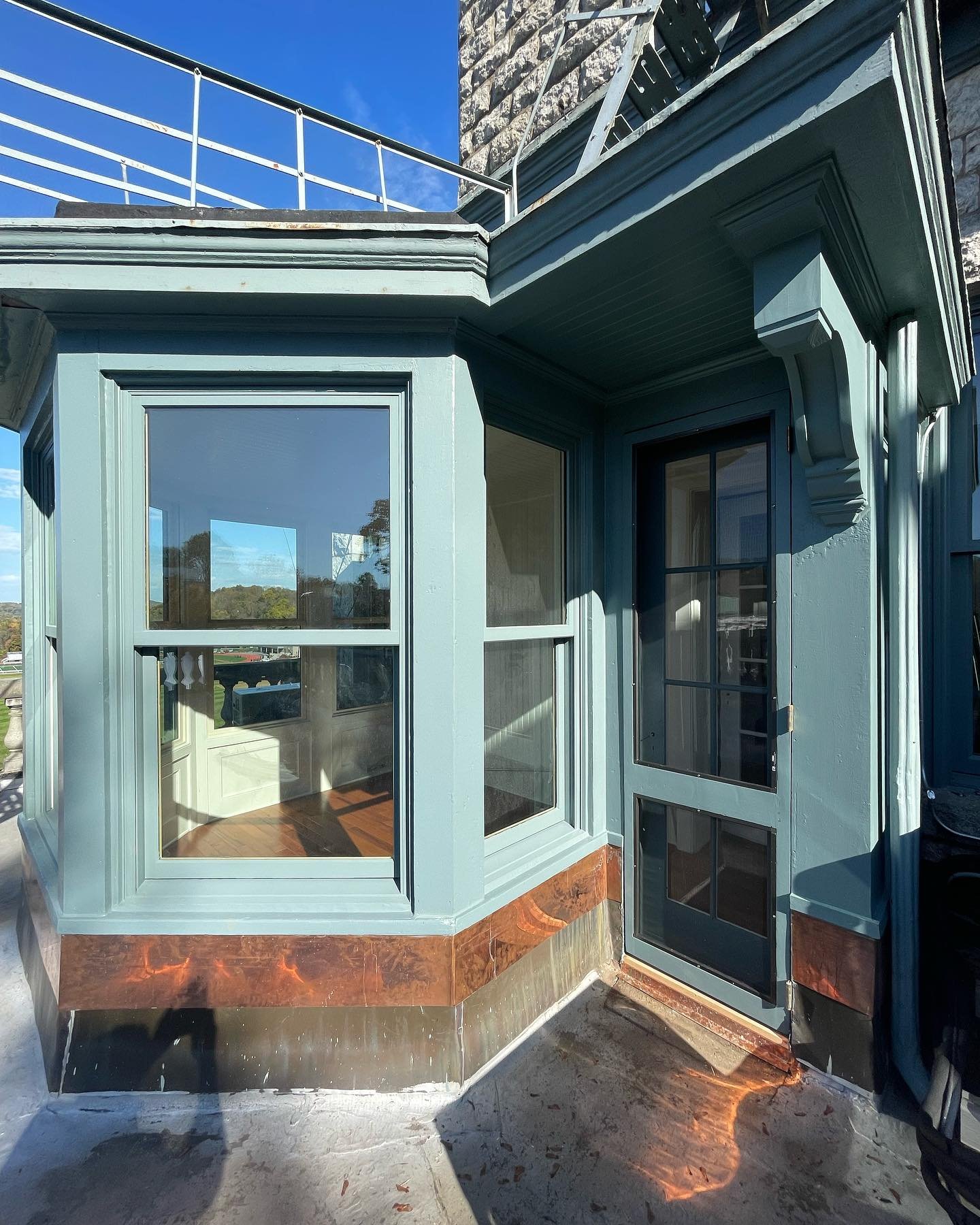
Bay windows add a touch of charm to residential buildings in New York City. These projecting windows create additional space within a room and offer panoramic views of the city. They are a popular choice for brownstones and townhouses, providing both architectural interest and functionality.
Picture Windows: Frame Your View
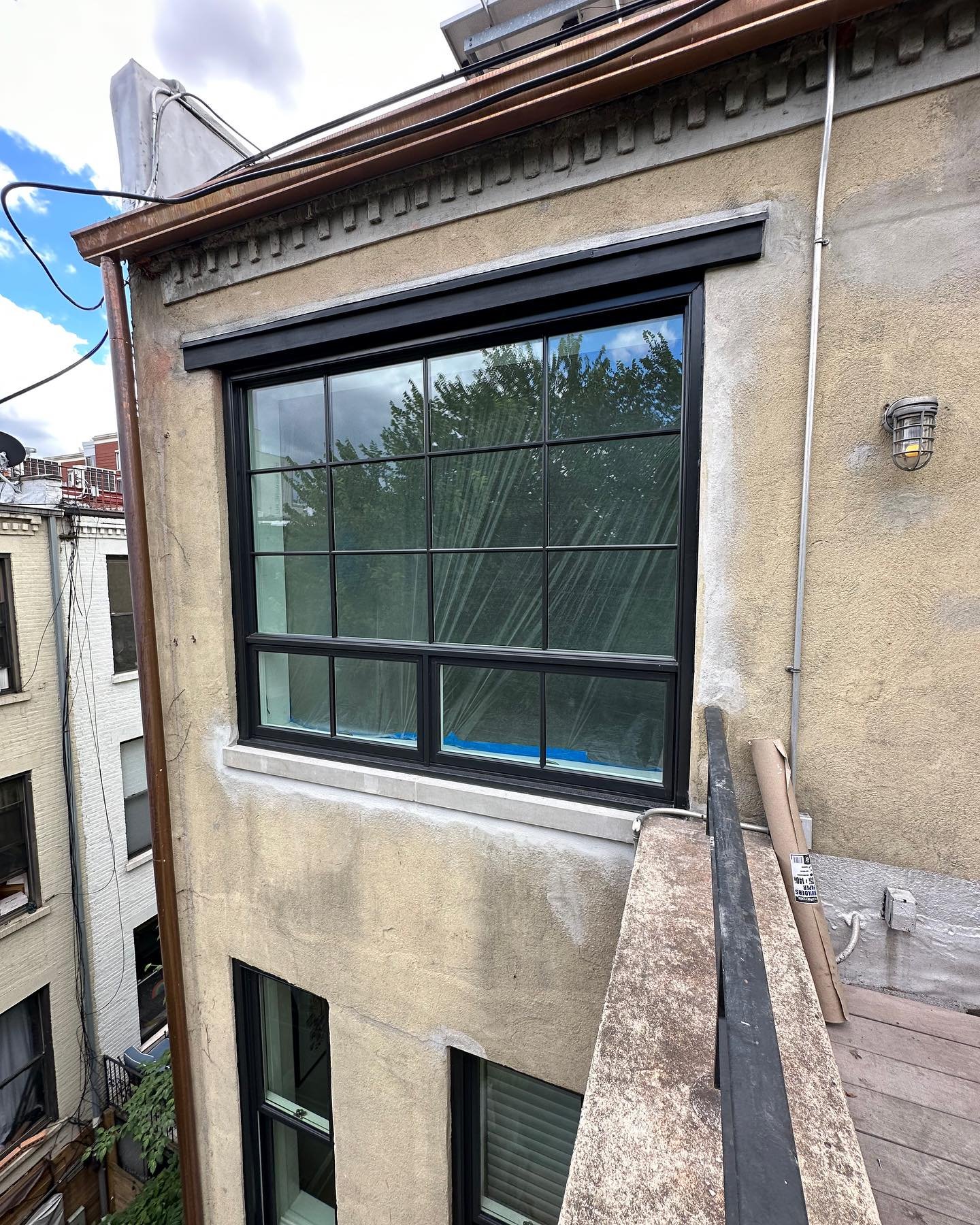
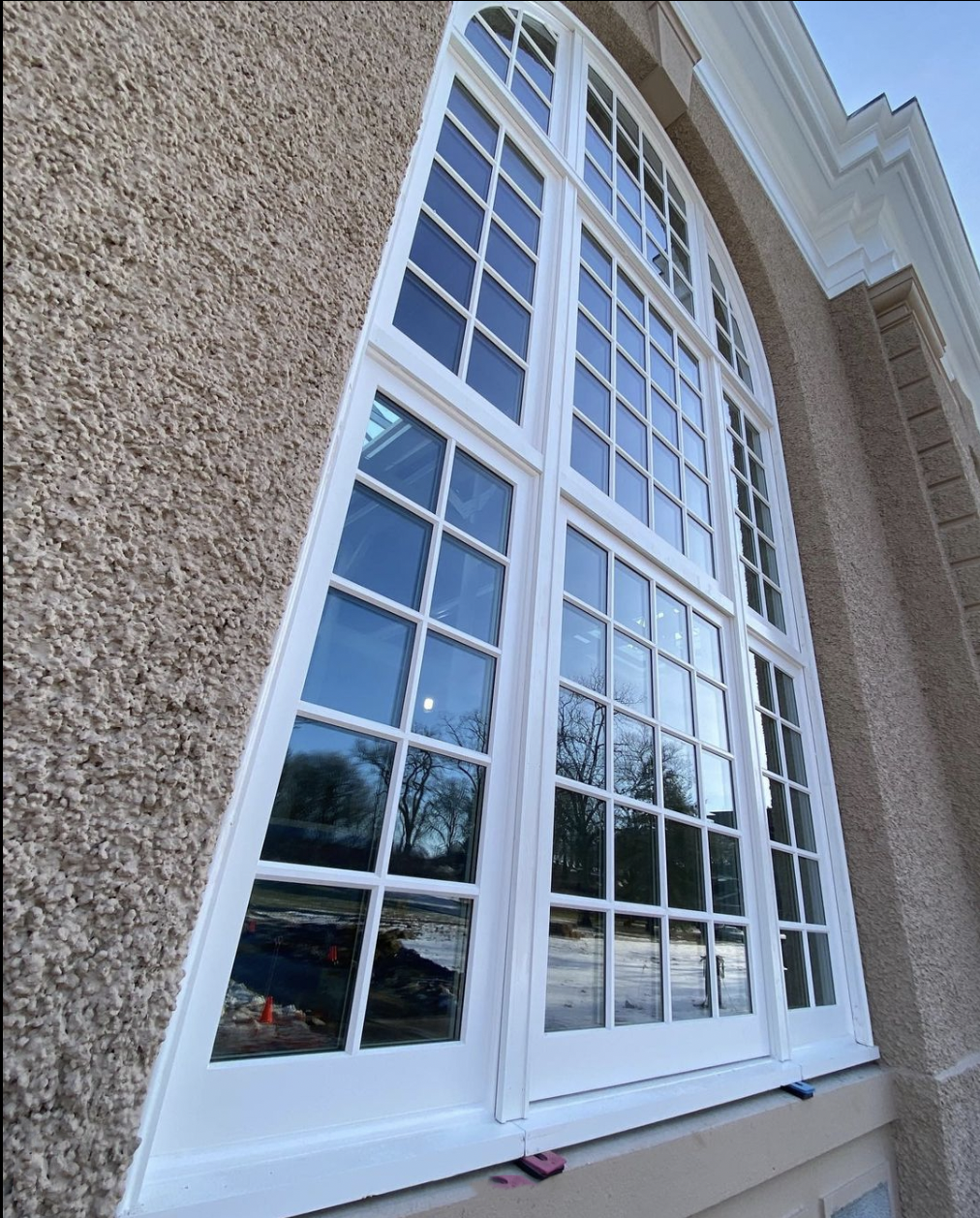
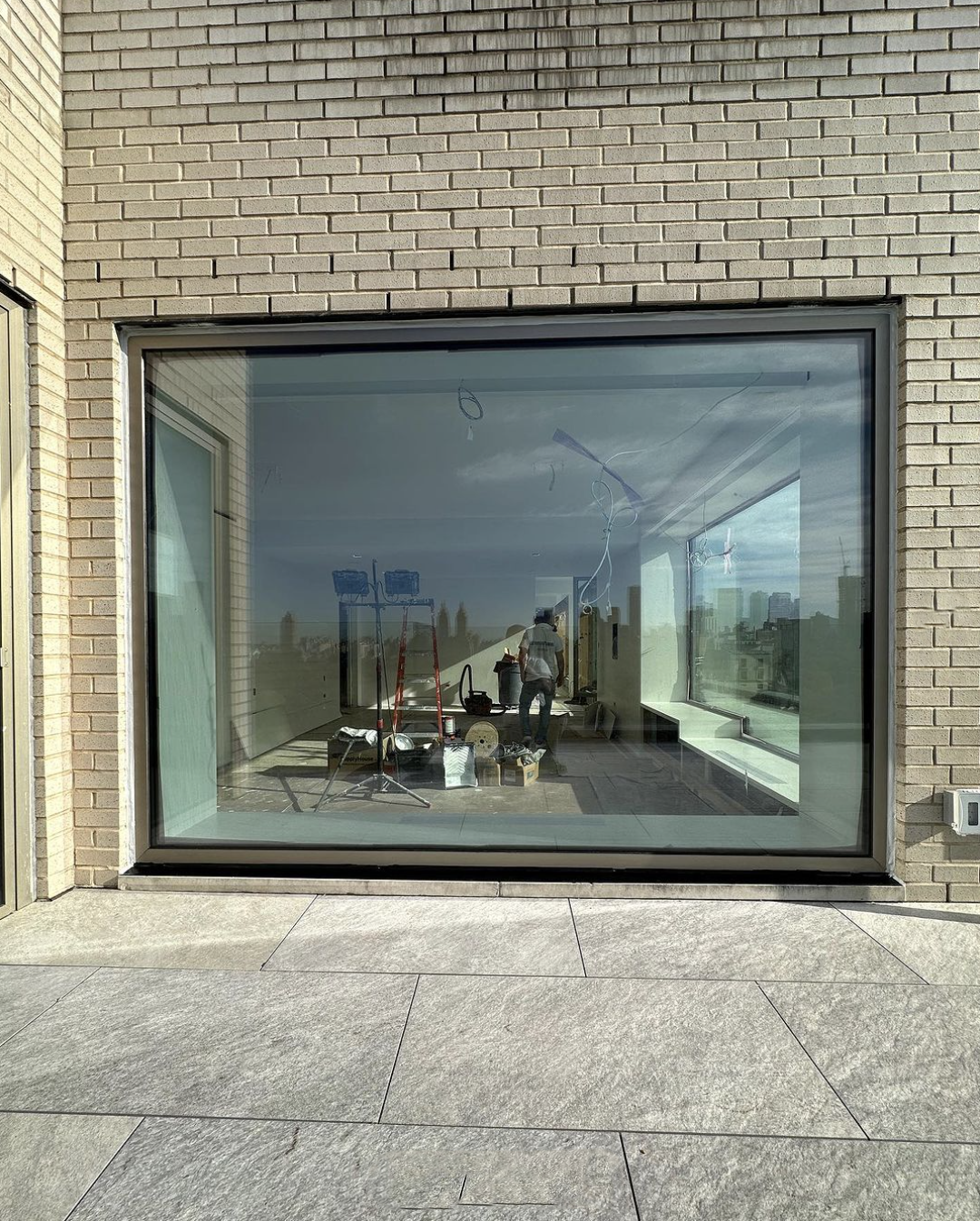
Picture windows are fixed and do not open, serving as large, unobstructed frames to showcase scenic views or allow abundant natural light into a room. These windows are perfect for highlighting architectural features and are often used in combination with other window types to create a customized look.
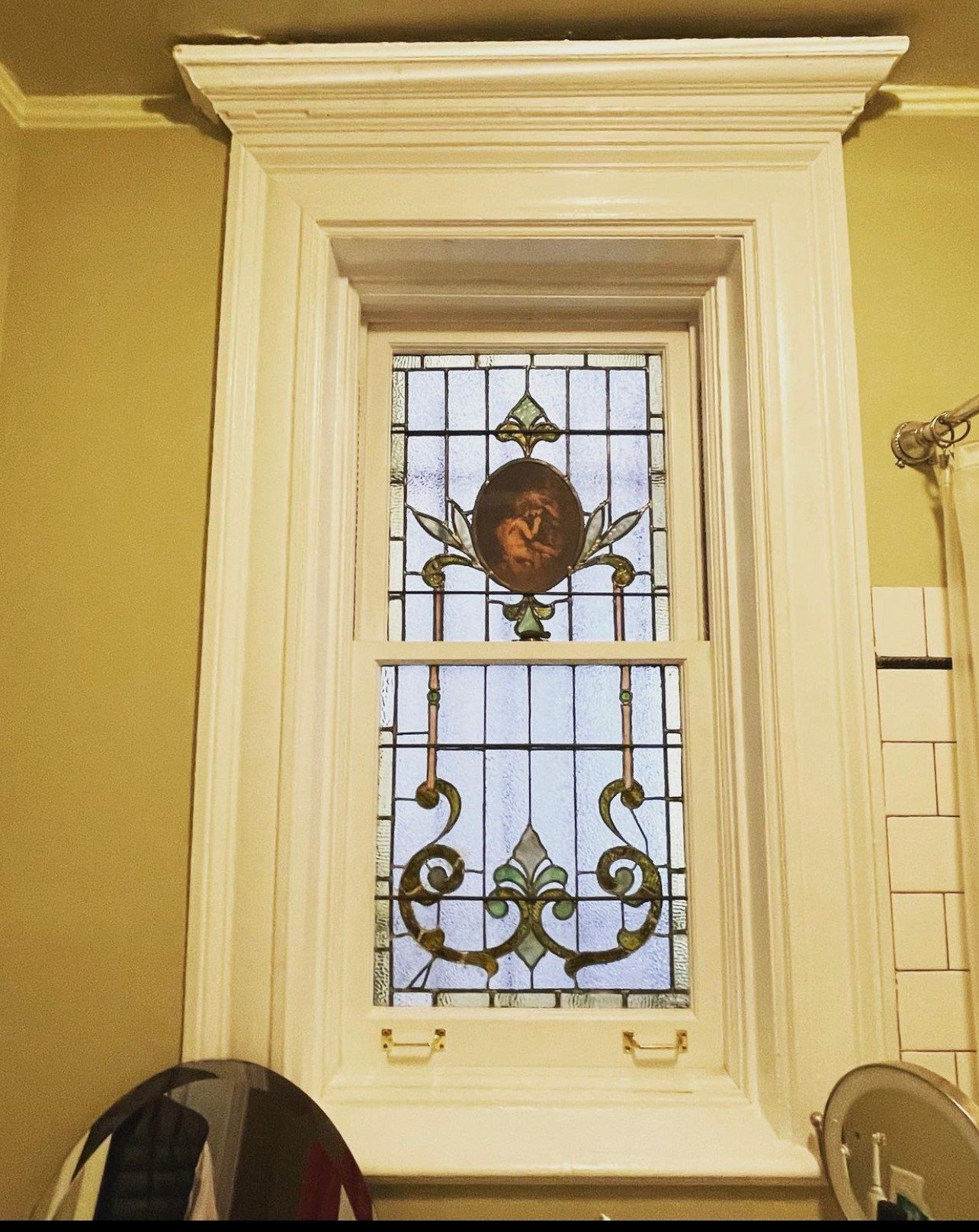
Historical Stained Glass Windows: Intricate and Decorative
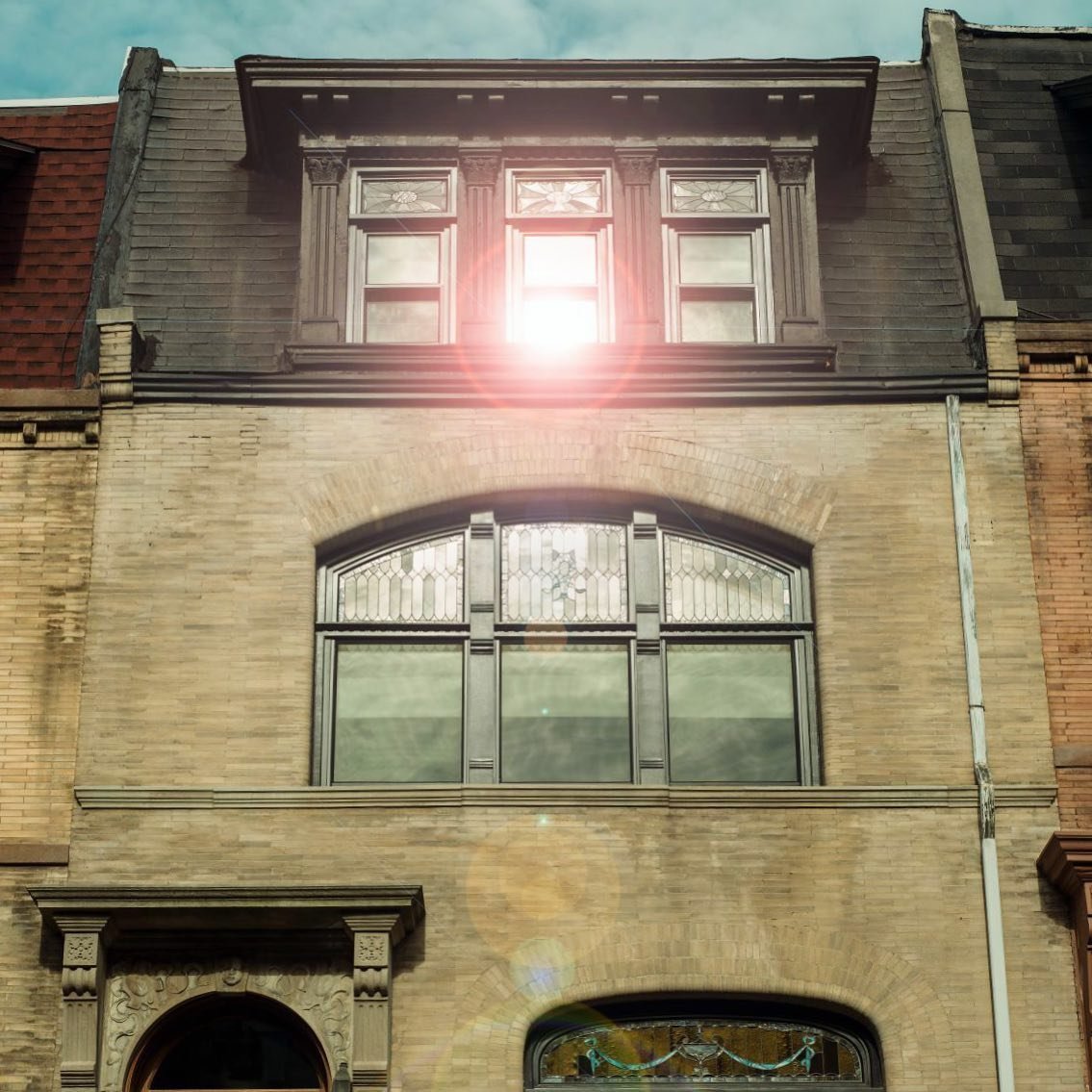
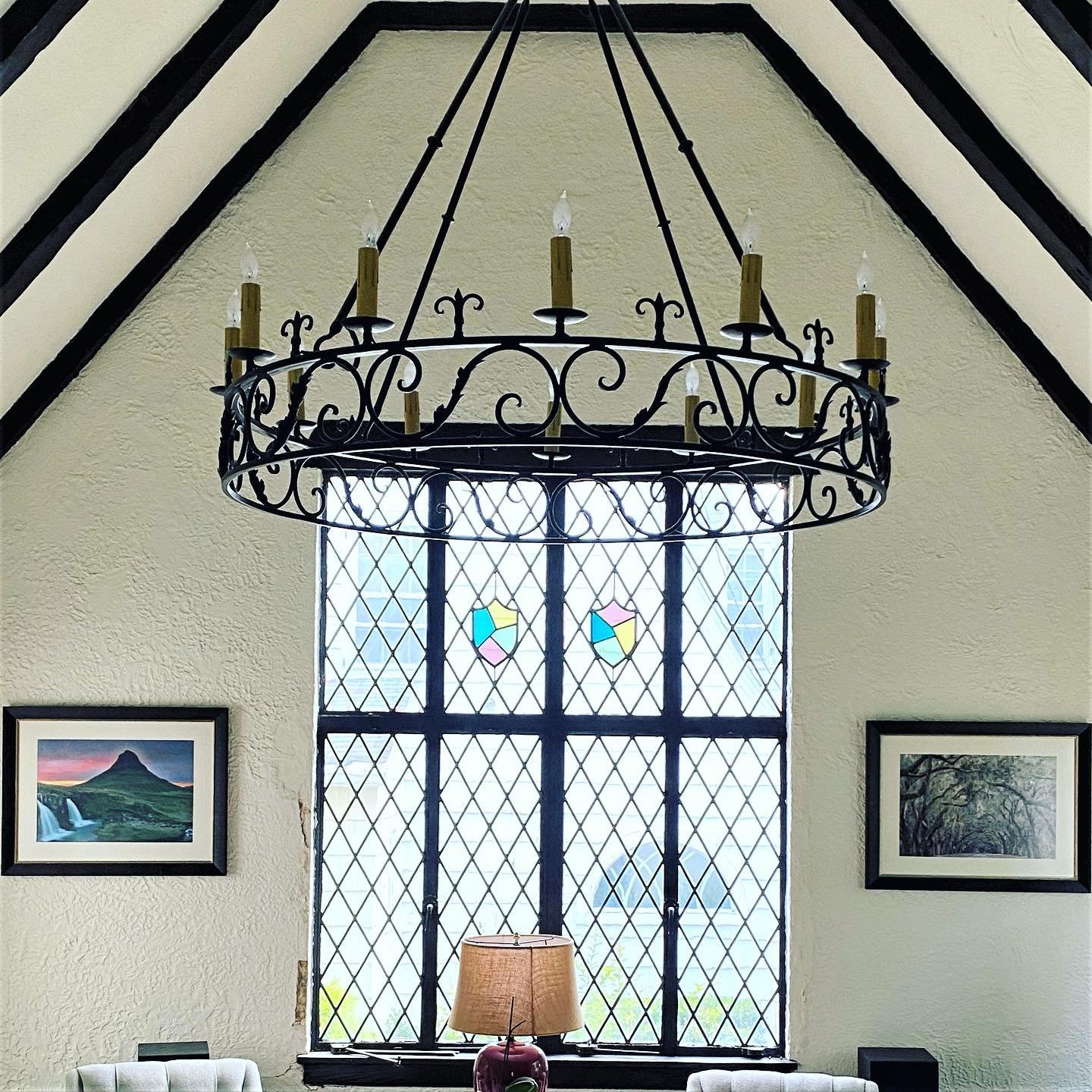
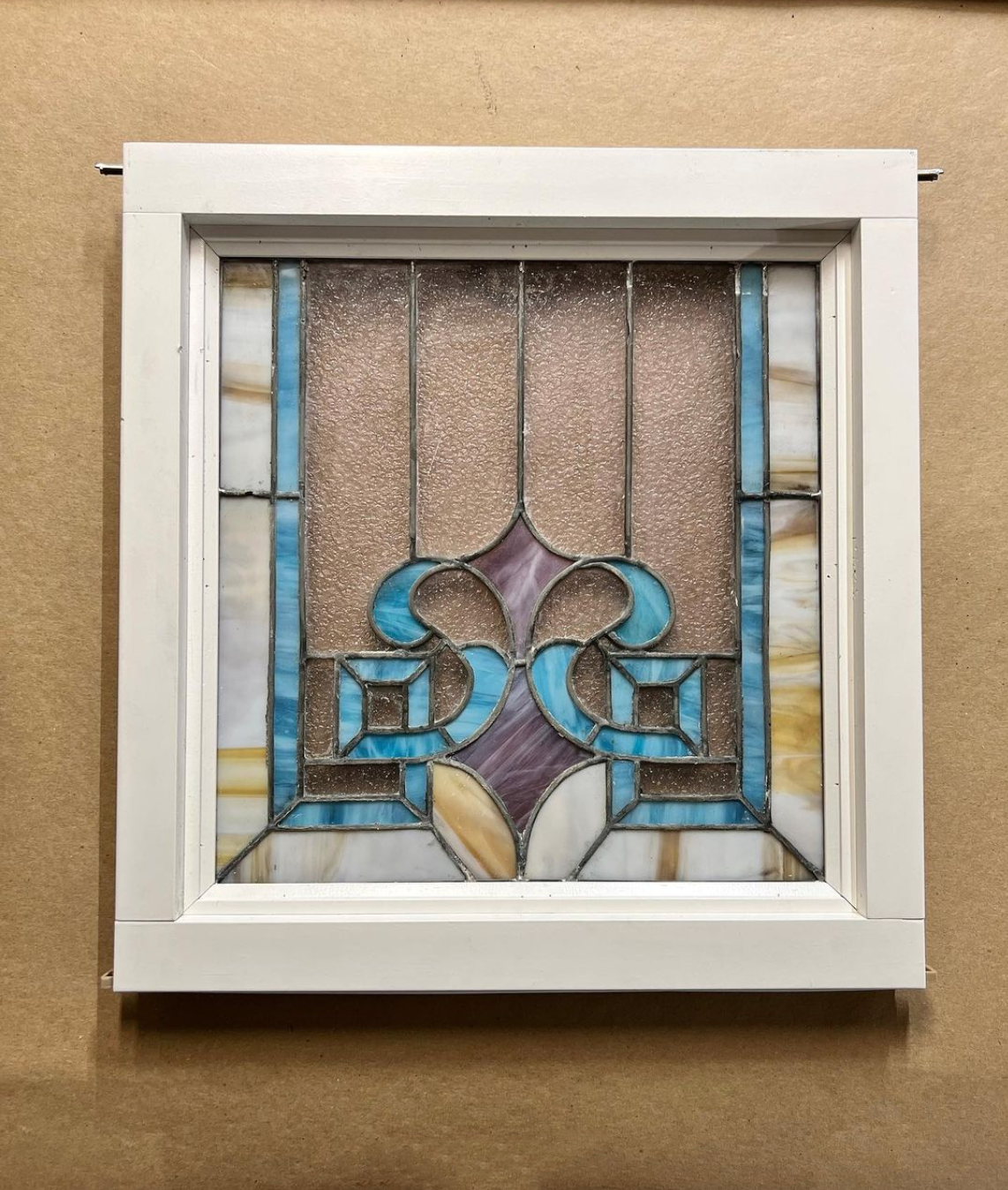
Some of NYC's older churches, cathedrals, and historic buildings showcase the beauty of stained glass windows. These intricate artworks add a religious or artistic element to the architecture, telling stories through vibrant colors and detailed designs. Stained glass windows are a nod to the city's rich history and cultural diversity.
Tilt and Turn Windows: Modern and Functional
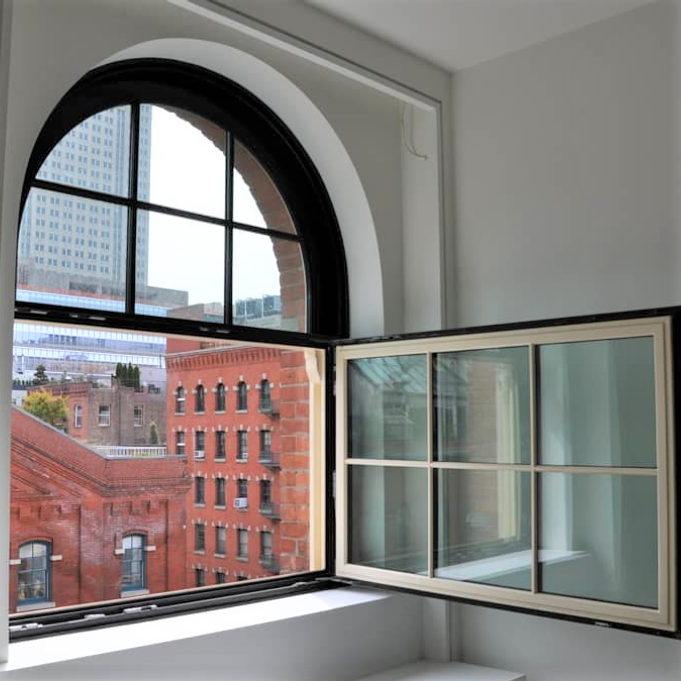
Tilt and turn windows are a versatile option increasingly seen in modern NYC buildings. These windows can be tilted for ventilation or opened fully like a casement window. Their flexibility in design and functionality makes them suitable for a variety of architectural styles.
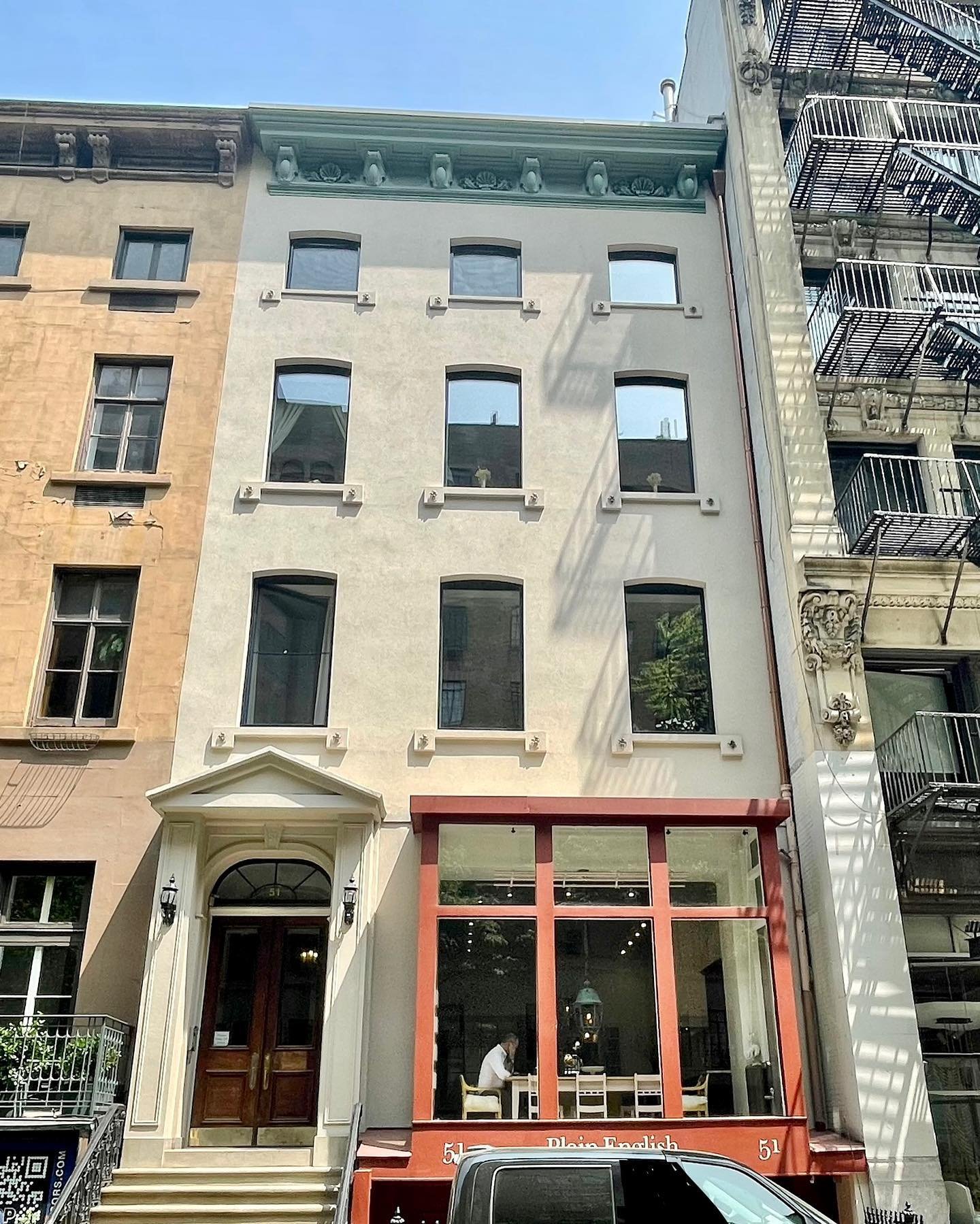
Energy-Efficient Windows: Future in Sustainability
As sustainability becomes a priority, energy-efficient windows are gaining popularity in New York City. These windows are designed to reduce heat loss, improve insulation, and lower energy bills. They come in various styles and materials, aligning with the city's commitment to a greener future.
The diverse array of windows in New York City's buildings reflects the city's architectural evolution over the years. From classic double-hung windows to modern, energy-efficient designs, each style contributes to the unique character of the cityscape. Whether you're strolling through historic neighborhoods or gazing at the skyline from a high-rise, the windows of NYC tell a captivating story of innovation, aesthetics, and functionality.
ARE YOU AN AUDIO LISTENER?


Traditional Stained Glass Meets High Performance
Love the look of traditional stained glass, but the energy efficiency of high performance windows? Look no further. Our exclusive partner, Norwood Window and Doors, takes the best of both worlds to craft bespoke high performance stained glass windows.
If Stained Glass: Art & Function piqued your interest in stained glass, but you’re committed to high performance windows, look no further. Our exclusive partner Norwood Windows & Doors has the exact product you’re looking for.
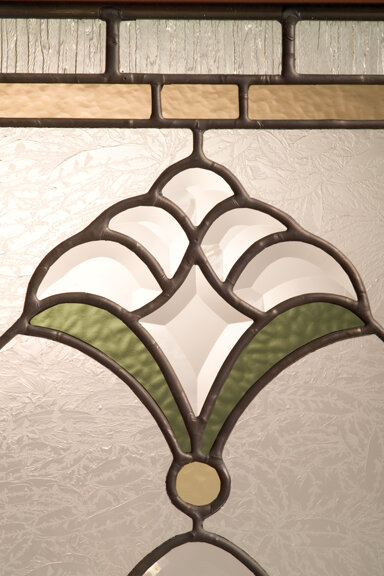
They bring traditional stained glass into the 21st century by sandwiching traditional stained glass between energy efficient panes. Continuous glazing and leaded grilles ensures a seamless look and feel, but without the high energy bills of traditional single-pane stained glass.
Even better, leaded lites are available in any Norwood product. And, If you have your own design, we can work with Norwood to make it a reality.
They offer a full range of glass textures, but the sky’s the limit:
Baroque
Beveled
Cathedral
Clear
Glue Chip
Greylite
Hammered
Obscure
Rain
Seeded
Solar Bronze
Solar Grey
Water
They also offer bright brass, patina, and silver caming options.
Norwood is a family-owned Canadian window and door manufacturer and exclusive partner. They specialize in finely crafted and custom products. Norwood’s windows and doors are made of only sustainably harvested lumber and offer many high performance products that meet or exceed Energy Star requirements.

Stained glass: art & function
The art of making stained glass windows is about 1,000 years old. Traditionally, stained glass was used in churches, synagogues, mosques, and other religious edifices. They were primarily used to tell a story to the lay people that were largely illiterate at the time.

Vividly colored stained glass windows in a religious edifice.
The art of making stained glass windows is about 1,000 years old. Traditionally, stained glass was used in churches, synagogues, mosques, and other religious edifices. They were primarily used to tell a story to the lay people that were largely illiterate at the time.
Today, only about ten percent of stained glass is manufactured for use in religious building. The vast majority of it is now destined for municipal and commercial buildings and private residences. Many times, stained glass transoms or door sidelites are used to accent residential buildings, but stained glass can be used in single-hung and double-hung windows as well.
Stained glass is made when metallic salts are added to the soda ash during the glass manufacturing process. A quick reminder: glass is made by heating sand, lime, and soda ash at a very high temperature. Then the molten glass is annealed, or slowly cooled down.
Red glass is made by adding selenium oxide or copper compounds. Gold chloride stabilizes the red color, which is why even today red stained glass is more expensive than other colors.
Yellows and ambers are made using sulfur, cadmium sulfide, carbon oxide, or uranium oxide.
Green glass is made with iron oxide, uranium oxide, chromic oxide, or copper compounds.
Blue and indigo glasses are achieved with cobalt oxide. Copper compounds can also be used to make blues.
Violet glass is made using manganese dioxide or nickel oxide.
White glass is formed with antimony oxides.

Stained glass can take a modern, geometric form in stationary transoms and sidelites as well as in operational windows and doors.
A stained glass artist first develops their design—whether it’s a pattern or picture. The design is transferred to a template the size of the window, then again into a black and white format called a cartoon. The cartoon is used to make cutline patterns, which are applied to the pieces of stained glass. The pattern is then cut out with a diamond or steel wheel.
After the glass is cut, the artist will sometimes apply a vitrifiable paint to the glass to add depth and to strengthen the glass. The painted pieces are kiln-fired to fuse the paint to the glass.
Once all the glass pieces are cut and fired they are laid out on a copy of the cutline pattern and fit together using malleable lead caming with an H-shaped channel to receive the glass. The caming is then soldered together on both sides to make a rigid panel, which is then set into a frame of metal or wood. For large windows, reinforcing rods are used to provide additional structural support for the panels.
Our expert team can help you restore stained glass windows by sourcing vintage glass, entire panels, or design and create new stained glass art for your building.

Historical Windows of New York restored the stained glass transoms in this Brooklyn brownstone.