

News
OUR WORK IN ACTION

Preserving History | Window Installation in New York City
New York City, a place steeped in history and architectural marvels, is adorned with a wide array of historical buildings that tell tales of a bygone era. One integral part of these historical structures are their windows, which not only provide a glimpse into the past but also contribute to the aesthetic charm of the city.

Trinity Towers Promenade Storefront window installation.
New York City, a place steeped in history and architectural marvels, is adorned with a wide array of historical buildings that tell tales of a bygone era. One integral part of these historical structures are their windows, which not only provide a glimpse into the past but also contribute to the aesthetic charm of the city. Preserving and restoring these windows is incredibly important, and this involves careful and specialized window installation techniques.
Understanding the Significance of Historical Windows
Historical windows are more than just apertures to let in light and air; they are a glimpse into the architectural and cultural heritage of a specific period. These windows often carry intricate designs, traditional craftsmanship, and unique materials that were prevalent during the time they were built. Preserving these elements is essential to maintain the authenticity and historical value of the building.
Challenges in Preserving Historical Windows
Preserving historical windows in New York City comes with its own set of challenges. Many of these windows are decades, if not centuries, old and may have undergone wear and tear over time. Factors like exposure to harsh weather conditions, pollution, and neglect can lead to deterioration. Maintaining the delicate balance between restoration and retaining the historical integrity of the windows is a key challenge faced by restoration experts.
Techniques for Preserving Historical Windows
Preserving historical windows involves a delicate blend of restoration, repair, and, when necessary, window replacement. Here are some techniques used by experts to ensure the longevity and authenticity of historical windows:
Historical Window Assessment
Thorough examination of the existing windows to determine their historical significance, condition, and the extent of restoration required.
Repair and Restoration
Repairing damaged sections, replacing deteriorated wood or glass, and restoring the window to its original condition using traditional craftsmanship and materials.
Replication and Customization
Creating replicas of original window components using traditional techniques to replace irreparable parts while maintaining the historical accuracy.

East Village project windows.
Weather Stripping and Insulation
Adding modern weather stripping and insulation techniques to enhance energy efficiency without compromising the historical appearance of the windows.
Period-Appropriate Window Installation
Implementing careful installation techniques that preserve the historic appearance and function of the window while ensuring durability and energy efficiency.
Importance of Professional Window Installation
Preserving historical windows is a specialized task that necessitates the expertise of professionals experienced in historical restoration. These experts are well-versed in the unique requirements of historical windows and understand the importance of preserving the historical fabric while incorporating modern elements for functionality and sustainability.
Preserving historical windows in New York City is a delicate and meticulous process that involves a delicate balance between restoration and modernization. By utilizing appropriate techniques and seeking the expertise of professionals, we can ensure that the windows that grace the historical buildings of New York City continue to tell stories of the past for generations to come. Let us cherish and preserve these architectural treasures, for they are the windows to our city's rich history.
ARE YOU AN AUDIO LISTENER?


10 Astor Place | Griffith Thomas Architecture
We are currently wrapping up this beautiful custom Landmark Mahogany Parrett Windows and Doors Store Front at 10 Astor Place, incorporating a custom decorative Louver above the entry vestibule to accommodate mechanicals.
We are currently wrapping up this beautiful custom Landmark Mahogany Parrett Windows and Doors Store Front at 10 Astor Place, incorporating a custom decorative Louver above the entry vestibule to accommodate mechanicals.
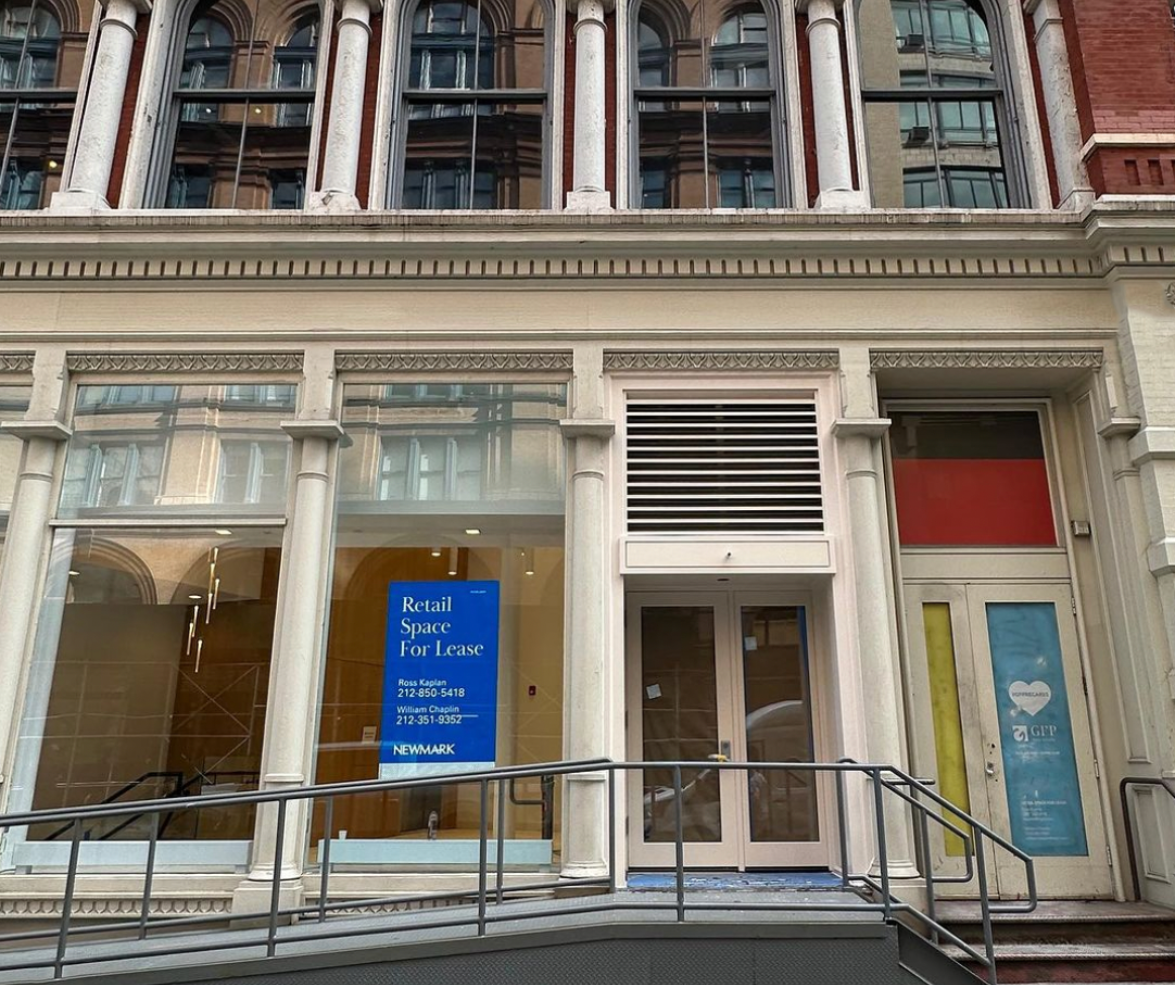
10 Astor Place, built in 1876 in a neo-Grecian style by the architect Griffith Thomas, was originally constructed as a factory and printing office and is now in the heart of Noho district. Noho’s famous cast iron buildings with their iconic fire escapes were originally home to the city’s textile industry. As the textile merchants moved on, the neighborhood fell into decline until it was re-discovered by artists and gallery owners seeking sprawling spaces, who brought life back to the empty buildings.
Architecture writer Christopher Gray called Thomas "one of the most prolific architects of the period" (the mid-19th century). The American Institute of Architects in 1908 called him "the most fashionable architect of his generation." Many of his notable buildings are found throughout New York City; and we proud
to be part of the building's history and select works such as:
St. Nicholas Hotel
Fifth Avenue Hotel
Maynicke
Astor Library
The Public Theatre
Mortimer Building 935-939 Broadway
National Park Bank
Pike's Opera House
Arnold Constable Building
New York Life Insurance Building
12 East 53rd Street
Gunther Building
Hotel Bristol
Kimball House Hotel


To Restore or Replace?
Restoring and replacing windows are two distinct approaches when it comes to preserving the architectural integrity of a building.
Restoring and replacing windows are two distinct approaches when it comes to preserving the architectural integrity of a building.
Restoration involves carefully repairing and refurbishing existing windows by employing specialized techniques and materials. This method aims to retain the original design, craftsmanship, and historical significance of the windows, maintaining the building's authenticity. The restoration process begins with a thorough assessment of the windows' condition, identifying areas that need attention. Skilled artisans then meticulously repair any damaged components, such as deteriorating frames or broken glass panes, often using traditional woodworking and glassmaking techniques. Restoration not only preserves the aesthetic charm of the building but also respects the architectural and historical significance it holds. By retaining the original windows, the building's connection to its past remains intact.

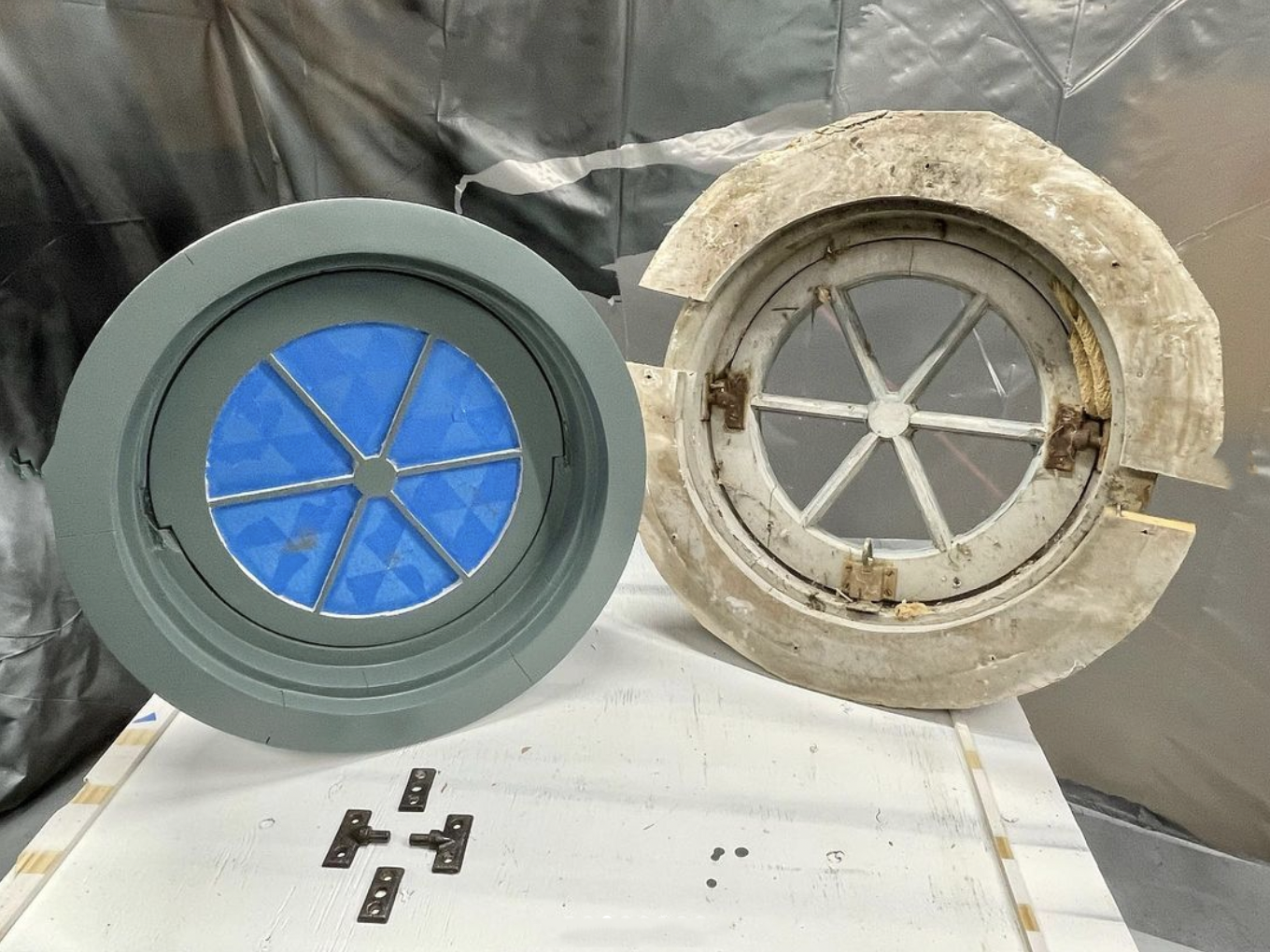
Before: Leaded art glass sashes

After: Restored the old glazing and reinserted it into new tilt-able frames from Norwood Windows and Doors.
On the other hand, replacing historical windows involves removing the original windows and installing new ones that replicate the original style. This approach may offer improved energy efficiency and functionality, as modern materials and technologies can be utilized. Building owners opting for replacement may consider factors such as insulation, soundproofing, and ease of operation.

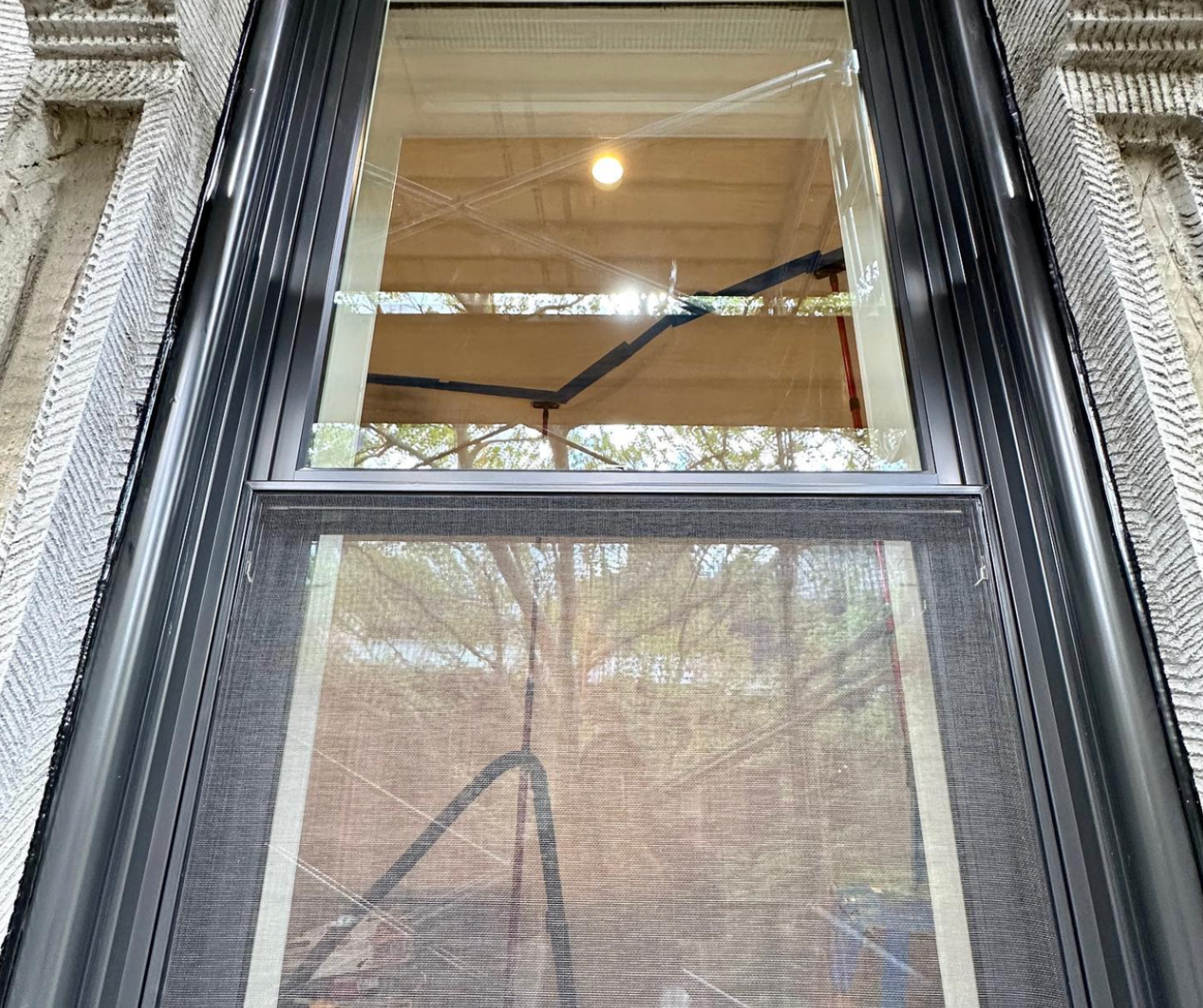
Before: Triple Hung Weight and Chain Window

After: Triple Hung Weight and Chain Window
Ultimately, the choice between restoration and replacement depends on the specific needs and goals of the building owner, while considering the importance of historical preservation. Both methods have their merits and drawbacks, and careful consideration must be given to the long-term impact on the building's historical significance. It is essential to strike a balance between preserving the architectural integrity and incorporating modern advancements. With proper research, expert guidance, and respect for the building's past, building owners can make informed decisions to safeguard our rich architectural heritage for future generations.

35 East 9th Street | Penthouse Renovation
Built in 1925, 35 East 9th Street is one of three (29, 35, 45) buildings designed by Helmle & Corbett Architects. Helmle & Corbett were American architects primarily active in New York City but also completed projects across the United States and in London.
Built in 1925, 35 East 9th Street is one of three (29, 35, 45) buildings designed by Helmle & Corbett Architects. Helmle & Corbett were American architects primarily active in New York City but also completed projects across the United States and in London.

We are currently working with the owner and architect, Michael Haverland, who is renovating one of the penthouses and enlarging the existing openings from individual "single" Double-Hungs Windows to Twins and Triples Windows and Enlarged Doors, bringing in much needed light and air, connecting the interiors with an expansive outdoor balcony.
While known for their use of Fenestration to add style and dimension, as well as grand vaulted interior spaces in their early "skyscraper" architecture, Helmle & Corbett have raised spires and pediments throughout the East. Their work also includes banks, churches, educational campuses, government buildings, housing projects, unique upscale residential towers, and large memorial projects like the George Washington Masonic National Memorial (Alexandria, VA). Their most well-known projects are Rockefeller Center, the NYC Criminal Courts Building (Centre Street, NY), and Bush Tower (East 42nd Street).


7 South Portland Avenue | Exterior Restoration
This once elegant Italianate style Mansion, built in 1930, as a multi-family co-op, is located steps from Fort Green Park. South Portland is named after Portland Place, an upscale street that connected Regent Street and Regent Park Terraces, one of London’s finest areas.
This once elegant Italianate style Mansion, built in 1930, as a multi-family co-op, is located steps from Fort Green Park. South Portland is named after Portland Place, an upscale street that connected Regent Street and Regent Park Terraces, one of London’s finest areas.
South Portland Street is often considered the most beautiful street in Fort Greene, and this house is one of the contributing factors. Architects, like Edward Kendall, designed mansions (1 South Portland) nearby worthy of the best Brooklyn Heights streets, or the tonier parts of Manhattan. The subject building is restrained and elegant in design, classically ordered and subtle details all supporting and "framing" the beautiful and large graduating double-hung Norwood Windows. Classical cornice and beautiful ironwork.
7 South Portland Avenue in Brooklyn is the subject of an extensive exterior restoration funded in part by the New York Landmark Conservancy, under the guidance of Lisa Easton AIA. Everything from the ornate ironwork front fence, grand entry stair rail and balustrade to the classically coursed and keystones brownstone facade and window pediments, and slated mansard roof above.


The Importance of Natural Lighting in Exhibits
Lighting plays a significant role in developing interaction between humans and museum artifacts in one defined space. Typically, museum environments have two types of light–natural and artificial.

Lighting plays a significant role in developing interaction between humans and museum artifacts in one defined space. Typically, museum environments have two types of light–natural and artificial. The role of light is an essential part of creating an atmosphere prime for discovery, while also preserving artifacts.
Proper lighting enhances the colors, textures, and details of the artwork, while poor lighting can diminish their impact. Different lighting techniques can be used to create a specific mood or highlight certain aspects of the artwork. “There’s nothing better than a beautifully lit piece of art,” says Richard Mishaan, a New York-based interior designer.
According to John H. Falk’s study in Florida Museum of Natural History (1984), the viewing behavior of an adult is constant during the first 30 to 45 minutes of viewing, and after that they experience ‘museum fatigue’. The use of natural light, which changes with time, can help in providing relief from this fatigue. Many museums and galleries, like the Louvre in Paris, Lisson Gallery in London, Sackler Galleries, Royal Academy of Arts, Tate Britain, the Solomon R. Guggenheim Museum in New York, and Louis Vuitton Foundation in Paris include natural light into their gallery.
Combining artificial and controlled natural lighting solutions for museums proves to be a successful approach to improve the quality of the spaces not only for the objects on display but also for the visitors, as seen in many projects around the world.


