

News
OUR WORK IN ACTION

A Window into the Past | Upper Central Park West
Nestled along West 95th Street in New York City's Upper Central Park West Westside Landmarks Historic District stand four enchanting Row Houses that have withstood the test of time.
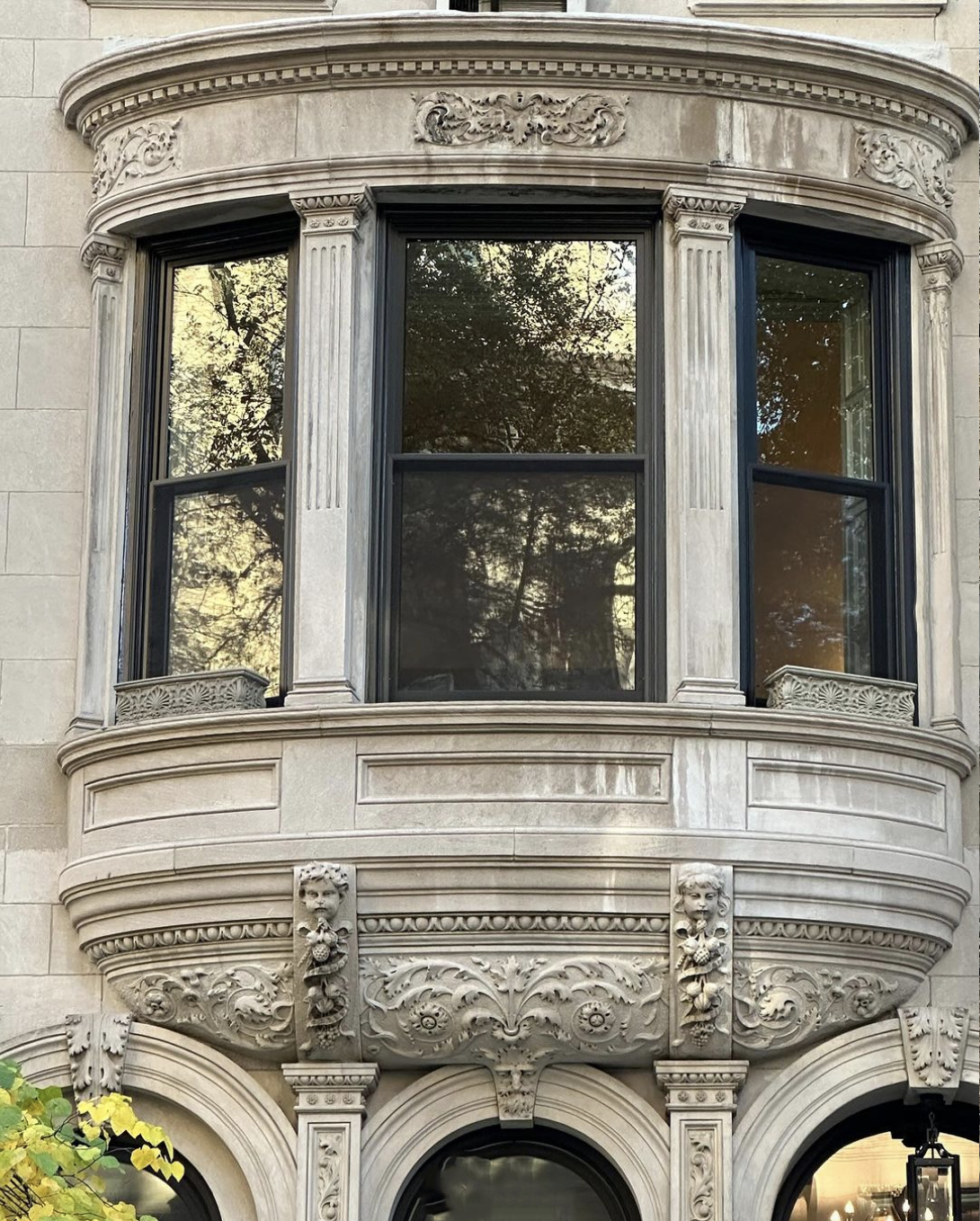
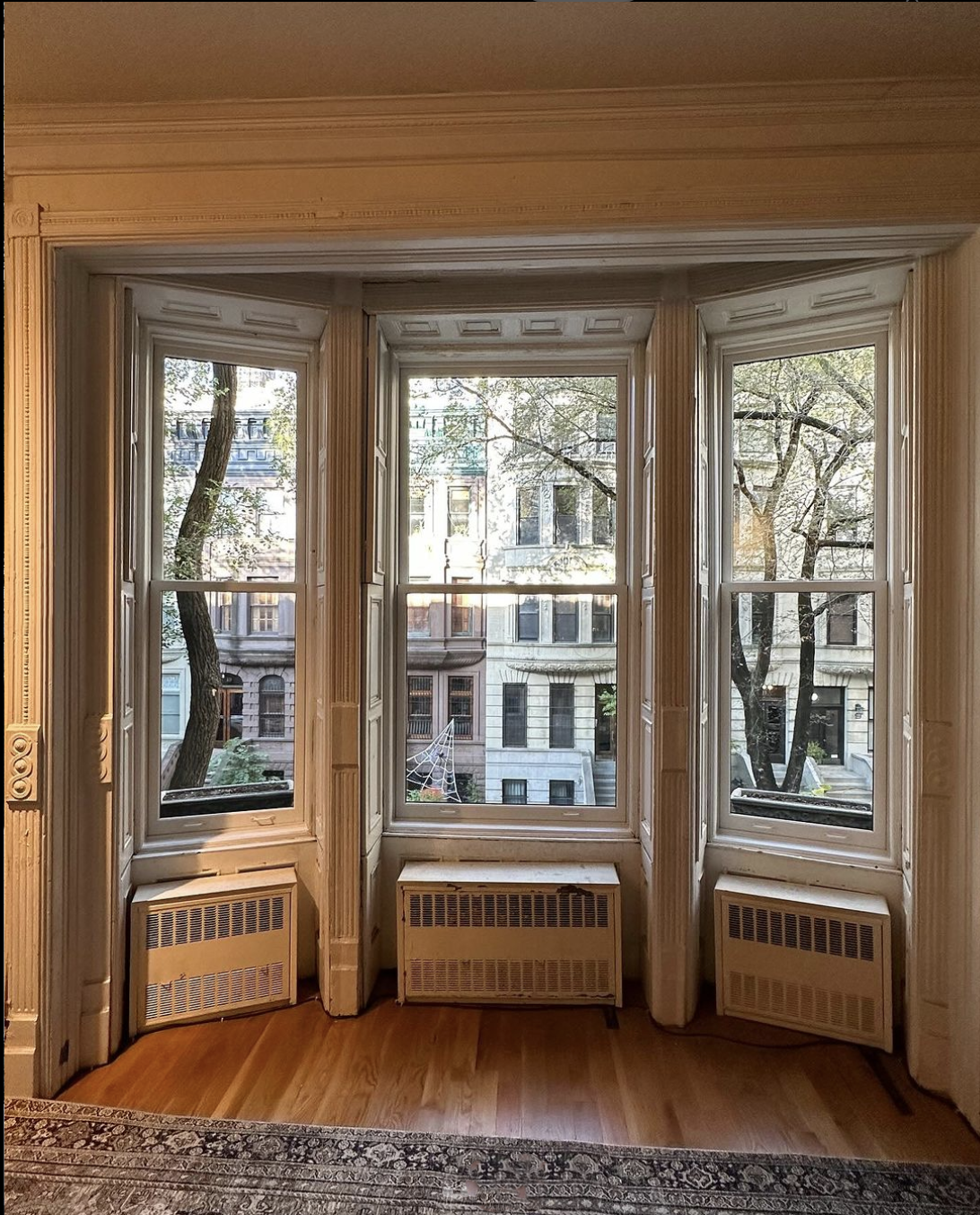
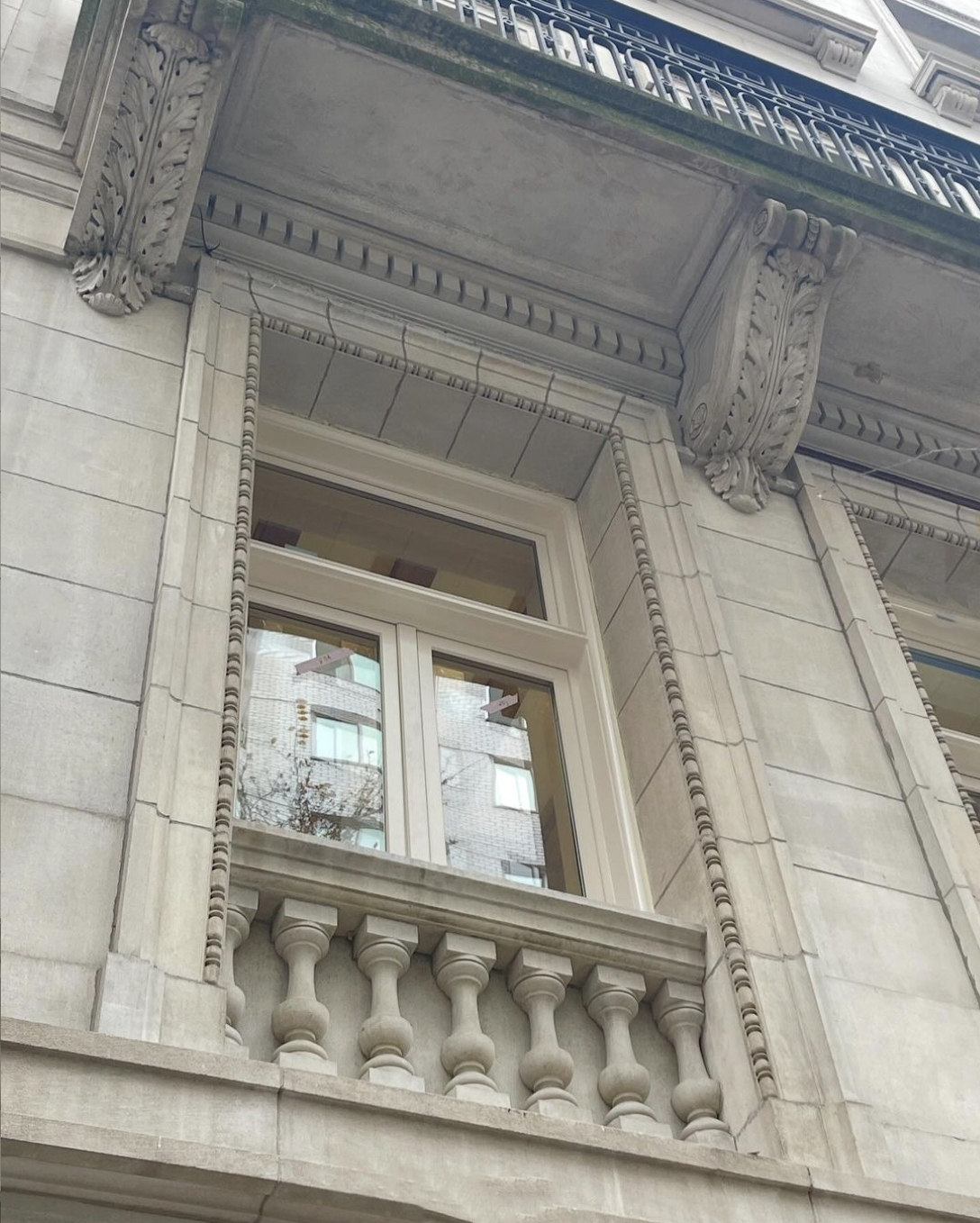
Nestled along West 95th Street in New York City's Upper Central Park West Westside Landmarks Historic District stand four enchanting Row Houses that have withstood the test of time. Built between 1888-1889 in the Baux-Arts Style by the visionary developer George Holiday, these Carved Limestone houses with Mansard Slate Roofs are a testament to the city's rich architectural heritage. Recently, we had the privilege of completing the Marvin Ultimate Custom Painted Double Hung G2 Window Replacement for one of these lovingly restored Town Houses, unlocking a window into the past.
A Glimpse into History
George Holiday, a man of many talents, acted as his own architect, designer, and builder for the four high-end residences at 10 through 16 West 95th Street. The Neoclassical homes were meticulously constructed in an A-B-B-A configuration, showcasing Holiday's commitment to architectural finesse and attention to detail.
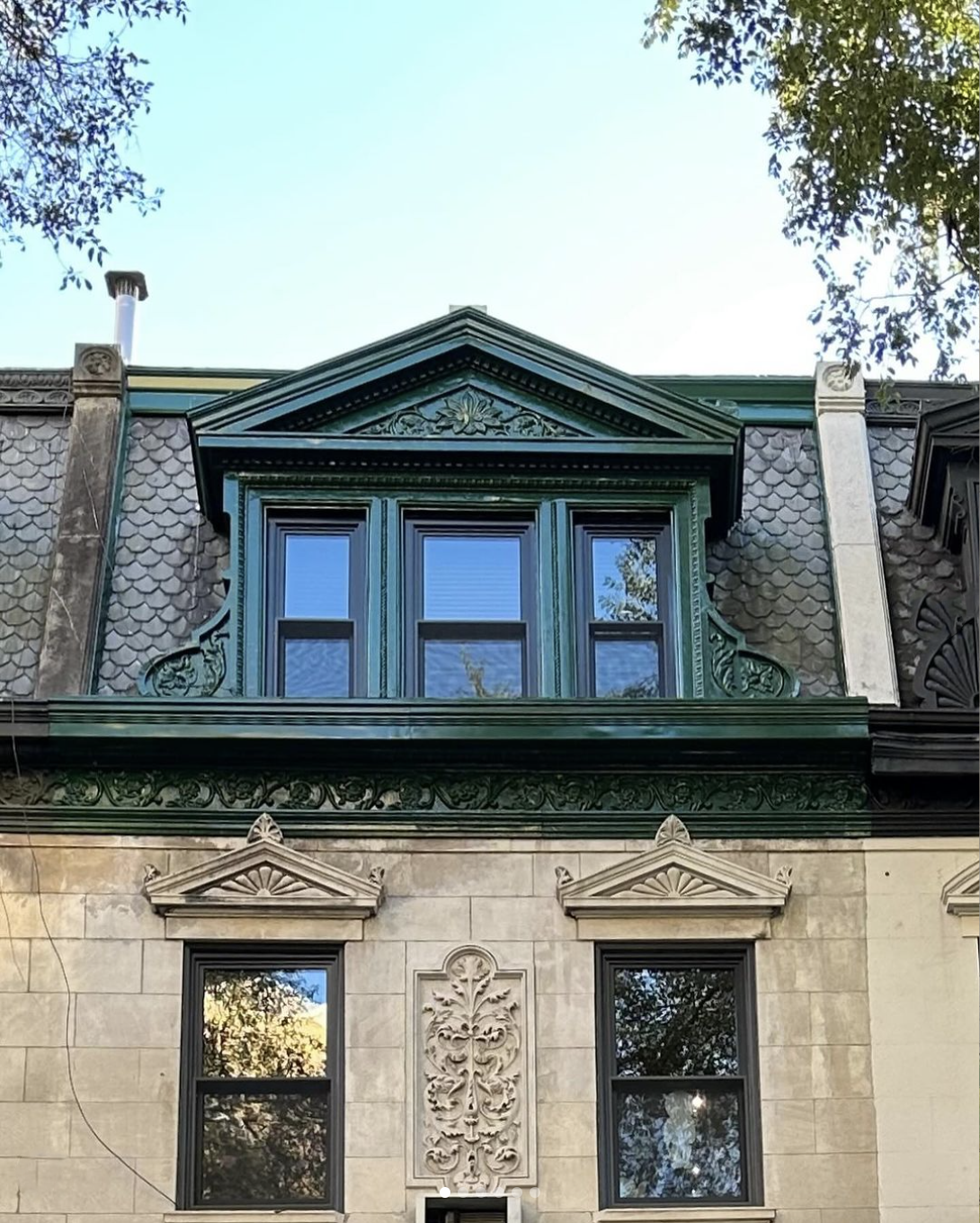
The mirror-image center houses, Numbers 12 and 14, boast arched openings with Variation Six Style at the parlor level, a bowed bay at the second, and pedimented windows at the third. The fourth floor is adorned with a slate-shingled mansard featuring windows grouped within a single dormer, adding a touch of elegance and sophistication to these historic gems. Originally, these architectural marvels were designed with One-over-One Double-Hung/Wood Windows, a hallmark of the late 19th-century construction.
Preserving the Legacy
In our recent project, we undertook the task of replacing the aging windows with Marvin Ultimate Custom Painted Double Hung G2 Windows. This meticulous process aimed not only to enhance the energy efficiency and functionality of the homes but also to preserve the historical charm embedded in every detail.
These windows seamlessly blend modern technology with timeless design, ensuring that the new windows complement the unique character of the Row Houses. The custom paint finish adds a touch of authenticity, mirroring the aesthetic nuances of the original windows while providing the benefits of advanced materials and construction techniques.
The completion of the West 95th Street project stands as a tribute to the architectural legacy of George Holiday and the bygone era of New York City's Upper Central Park West Westside Landmarks Historic District. It is a celebration of the past, present, and future, demonstrating how thoughtful preservation and modern innovations can coexist harmoniously. As we gaze through these newly installed windows, we not only witness the beauty of the moment but also honor the enduring spirit of a bygone era.
Preserving Timeless Elegance | A Restoration Journey on East 70th Street
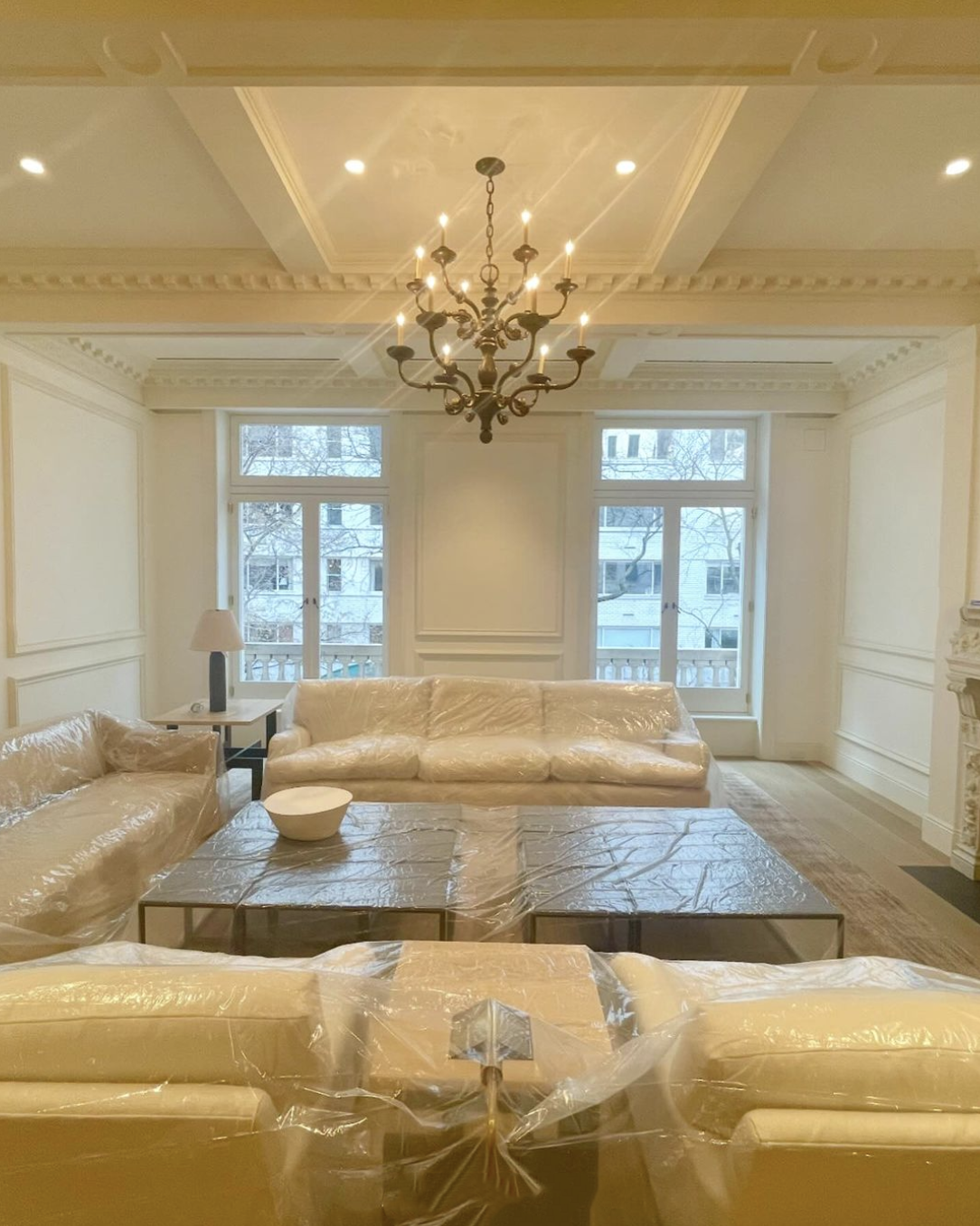
In the heart of Manhattan, amidst the hustle and bustle, stands a pair of architectural gems that have witnessed the transformation of time and culture. Our latest endeavor has been nothing short of a meticulous dance with history, as we conclude the restoration of two remarkable structures on East 70th Street, just off 5th Avenue.

In the heart of Manhattan, amidst the hustle and bustle, stands a pair of architectural gems that have witnessed the transformation of time and culture. Our latest endeavor has been nothing short of a meticulous dance with history, as we conclude the restoration of two remarkable structures on East 70th Street, just off 5th Avenue. What was once a duo of side-by-side mansions in the early 20th century evolved into split-level Town House Condo Apartments in the 1980s. Join us on a journey through time as we delve into the rich history and the intricate restoration process that has revived these French Classical marvels with Italian Renaissance elements.
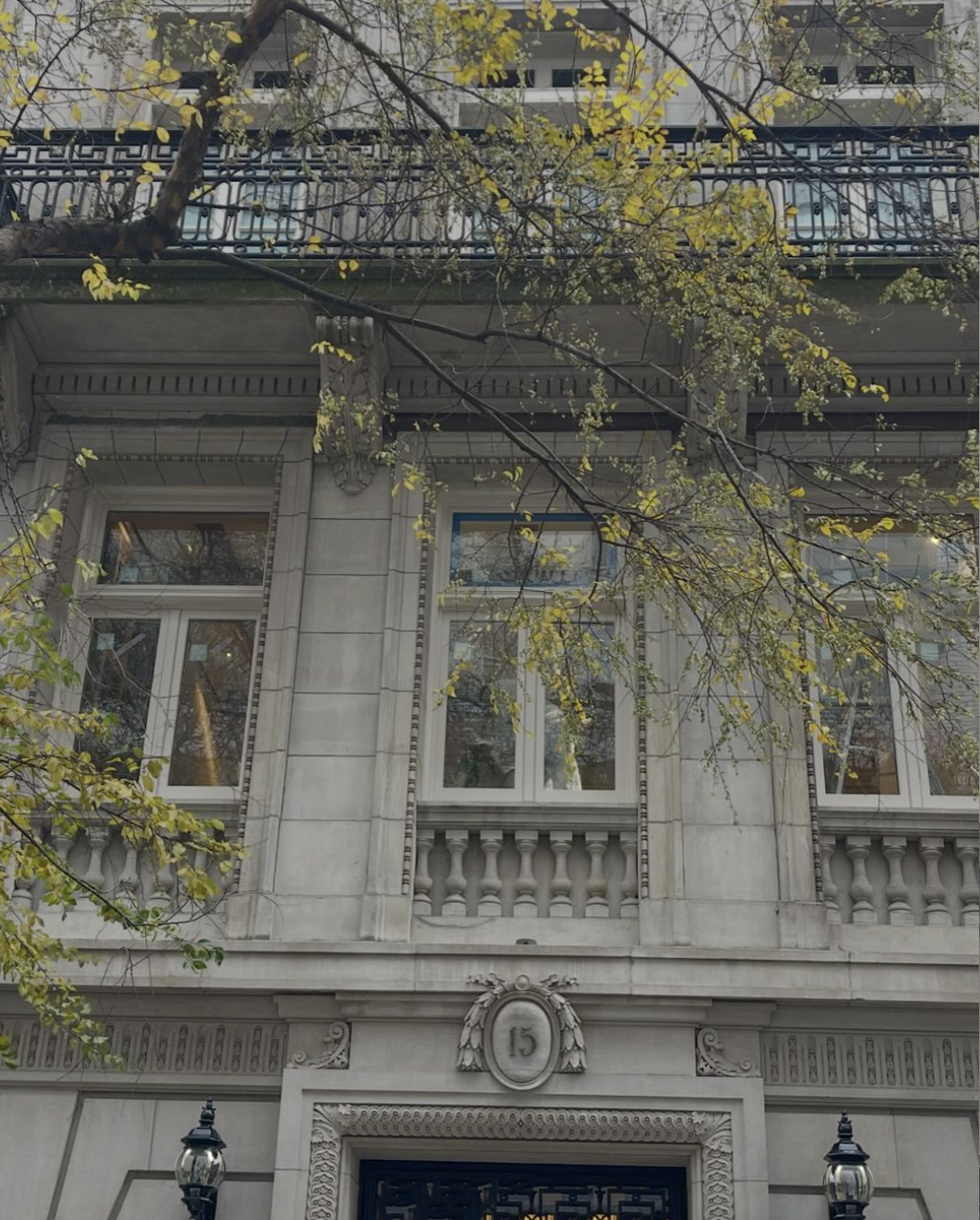
Constructed in 1910 by Charles I. Berg, 15 East 70th Street stands as a testament to the architectural brilliance of its time. A year earlier, in 1909-1910, John H. Duncan crafted the neighboring 11 East 70th Street for an heiress to the Lorillard tobacco fortune. The two landmarked mansions, designed in the French Classical style, boast Italian Renaissance elements and share a distinguished proximity to the Frick Museum. This historic city block was once home to the original sites of the New York Public Library, adding an extra layer of significance to the locale.
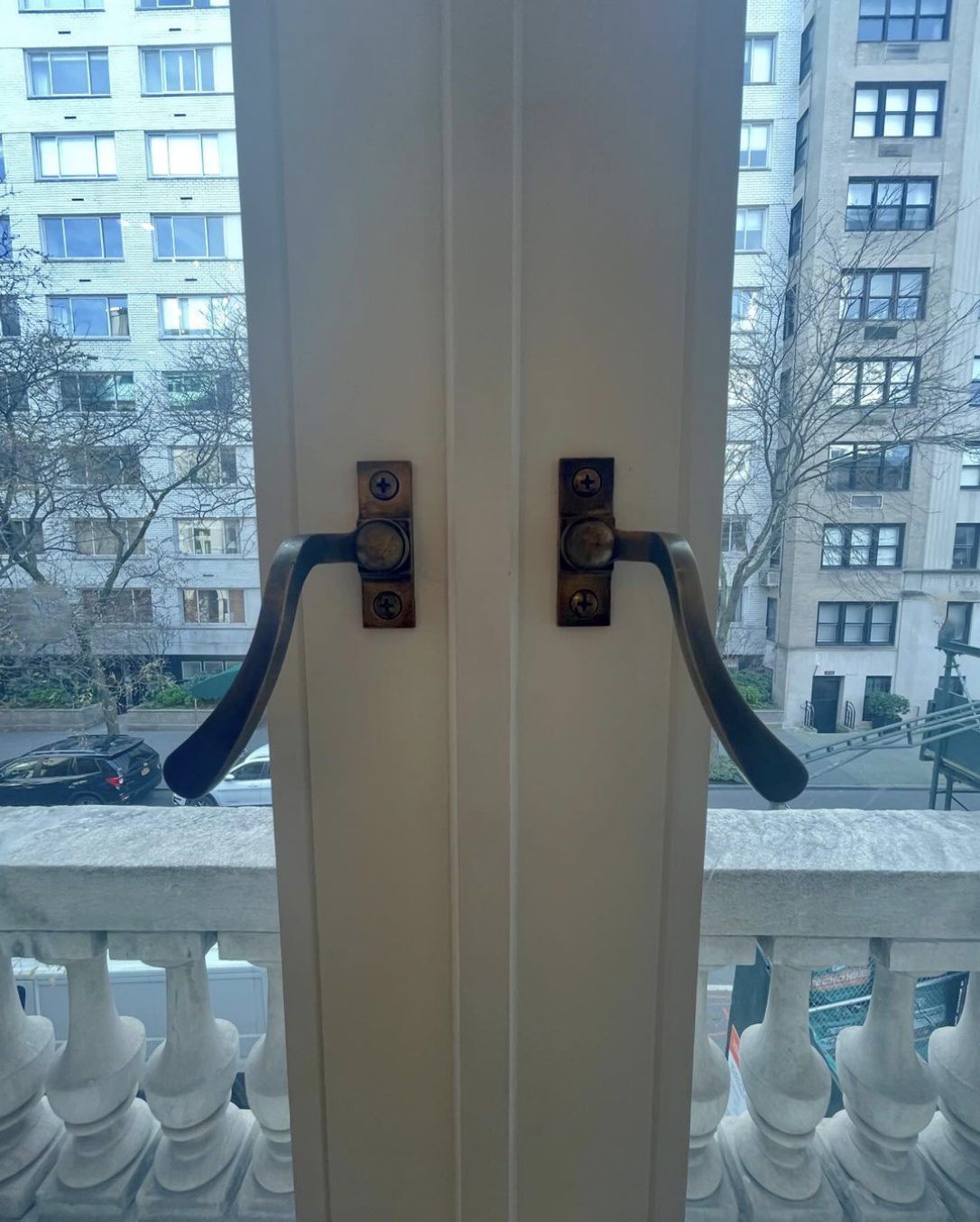
Our restoration journey focused on preserving the essence of these architectural marvels while addressing the wear and tear that had accumulated over the decades. One of the key challenges was the deteriorating French Casement Front Facade, which we replaced with period-perfect Mahogany Parrett Windows. The transformation extended to the Clad Double-hung Rear and Side Facades Windows, all of which now seamlessly blend with the original design, preserving the timeless elegance.
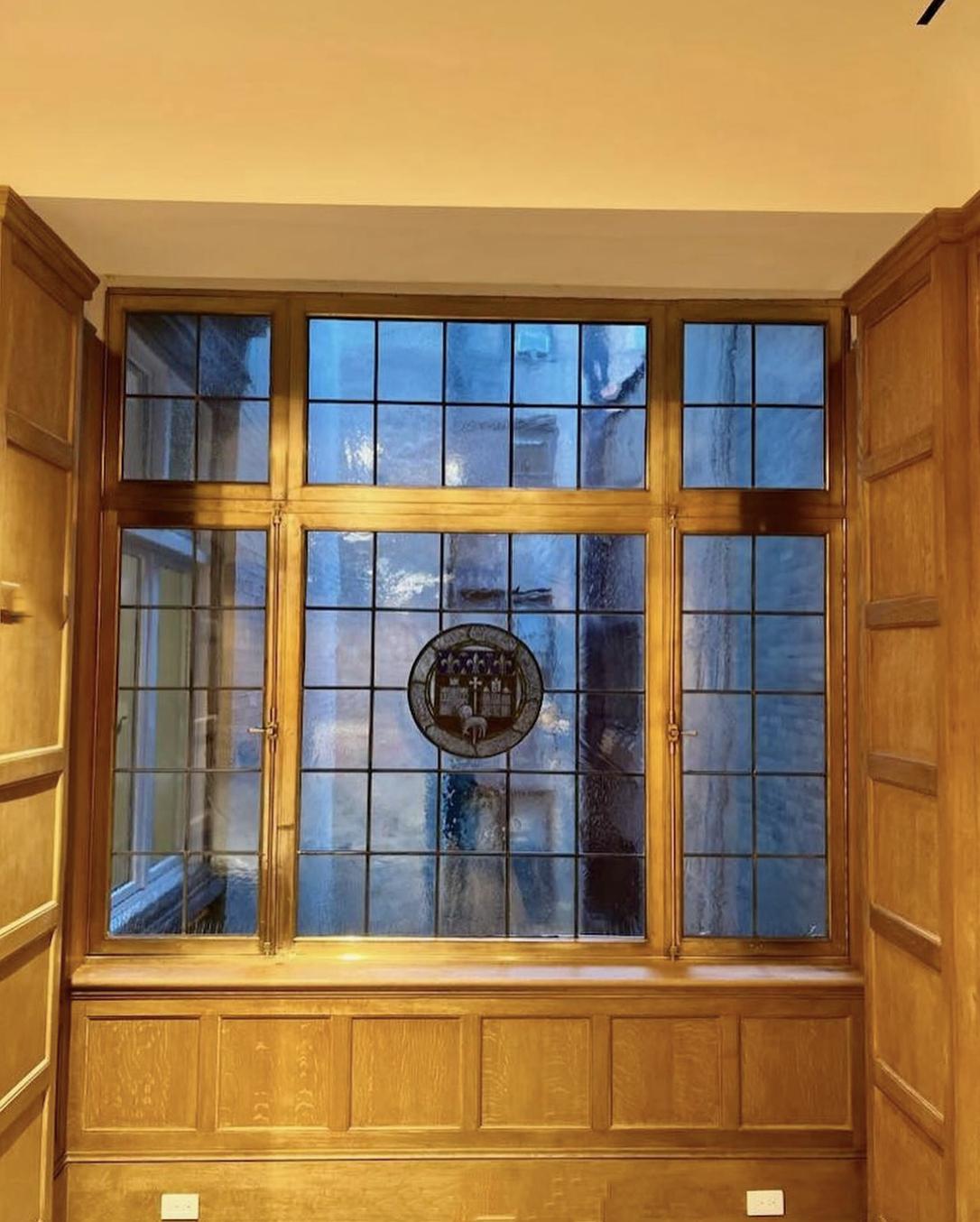
The pièce maîtresse of this restoration project is undoubtedly the Solid Brass Leaded Art Glass Window. Painstakingly restored by H&M Historical Conservation, the window now proudly displays the crest of the original owner, serving as a visual link to the past. This breathtaking piece is set against fully restored original quarter-sawn oak paneled walls, completing the ensemble of historical grandeur.
As we wrap up this phase of work on East 70th Street, we reflect on the significance of preserving architectural treasures that contribute to the rich tapestry of New York City's history. The meticulous restoration of these mansions not only pays homage to the visionaries who crafted them but also ensures that future generations can marvel at their timeless elegance. In the midst of modernity, these structures stand as a reminder of the city's vibrant past, telling a story that transcends time and continues to captivate the hearts of all who encounter them.

Delbarton | Interior Doors in New York City's Historical Buildings
New York City is a treasure trove of architectural marvels and historical landmarks, each with a unique story to tell. Nestled within the rich tapestry of the city's history are its historical buildings, many of which boast intricate interior designs that include iconic interior doors.
New York City is a treasure trove of architectural marvels and historical landmarks, each with a unique story to tell. Nestled within the rich tapestry of the city's history are its historical buildings, many of which boast intricate interior designs that include iconic interior doors. These doors not only serve as functional elements but also as architectural statements that reflect the era and style in which they were crafted.
A Glimpse into the Past
New York City's historical buildings, dating back to various periods, often feature interior doors that are a blend of artistry and functionality. From the brownstones of the 19th century to the Beaux-Arts buildings of the early 20th century, each era brought forth its own unique door styles and designs.
Brownstone Era (1800s)
During the 19th century, brownstones flourished in New York City, showcasing impressive architectural elements, including intricate wooden interior doors. These doors often featured ornate carvings and panels, reflecting the opulence of the era.
Beaux-Arts Period (Late 19th to Early 20th Century)
The Beaux-Arts architectural style, characterized by grandiosity and classical elements, influenced interior door designs in buildings like the New York Public Library and the Grand Central Terminal. Doors during this period were often adorned with decorative motifs and elaborate moldings, contributing to the overall elegance of the buildings.
The Craftsmanship of Interior Doors
The craftsmanship involved in creating interior doors for historical buildings was nothing short of exceptional. Skilled artisans meticulously handcrafted each door, paying close attention to details such as wood selection, carving, molding, and finishing. These doors were often made from high-quality hardwoods like oak, mahogany, or walnut to ensure durability and a luxurious finish.
Preserving Heritage through Restoration
Preserving the historical integrity of interior doors is a significant endeavor for conservationists and historical building enthusiasts alike. Restoration specialists work tirelessly to maintain and restore these doors, ensuring they retain their original charm while adapting to modern-day requirements.
Delbarton School
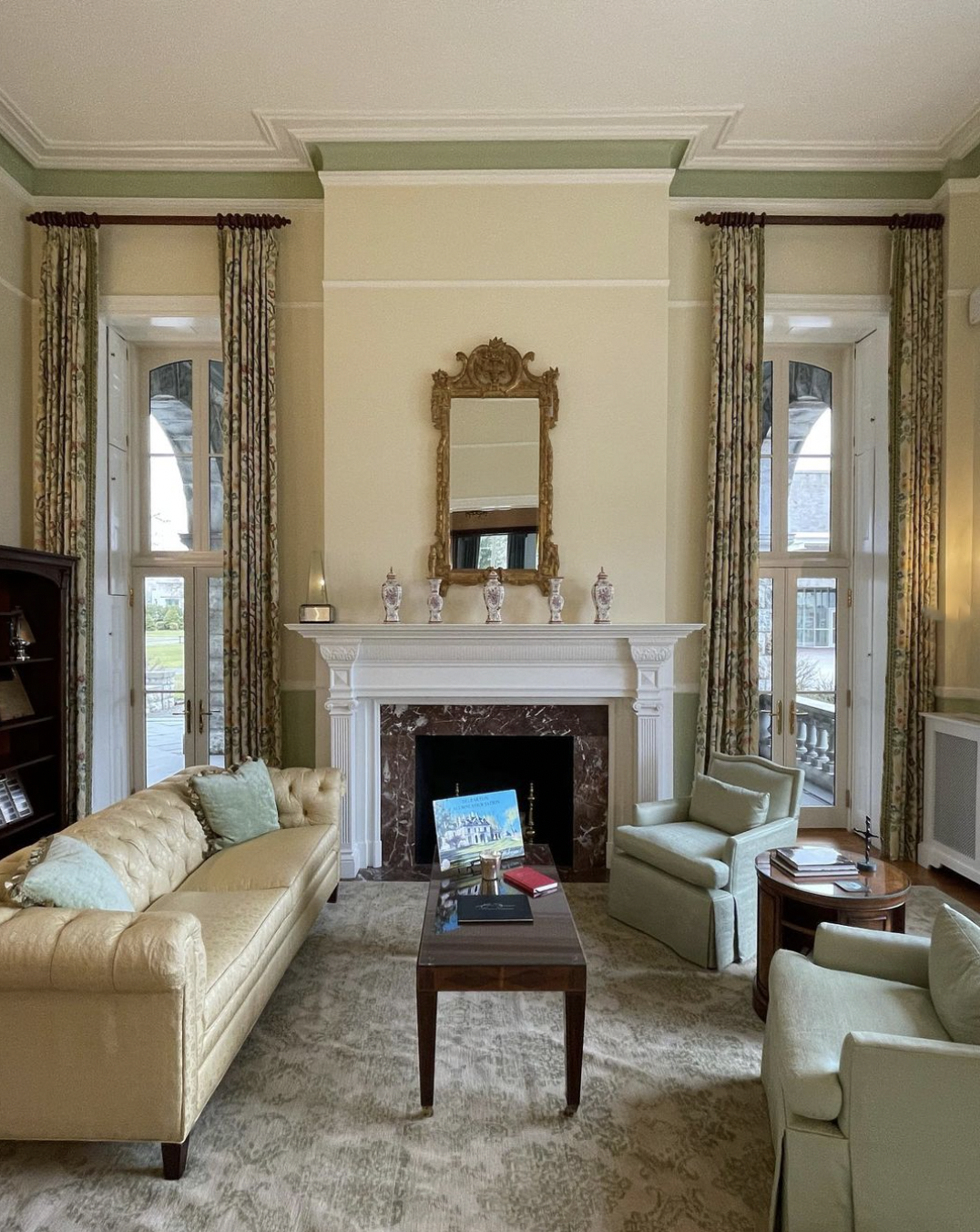
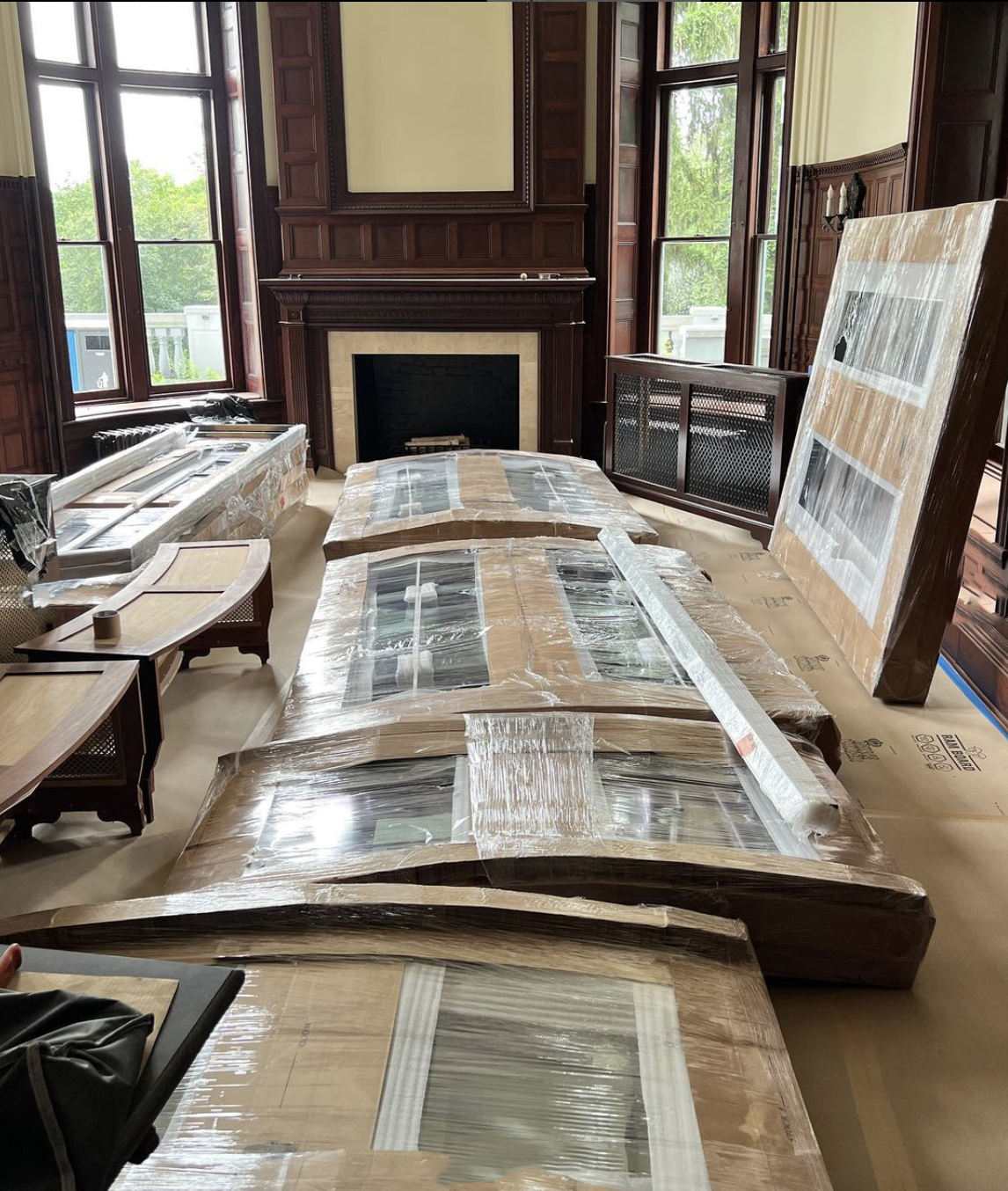
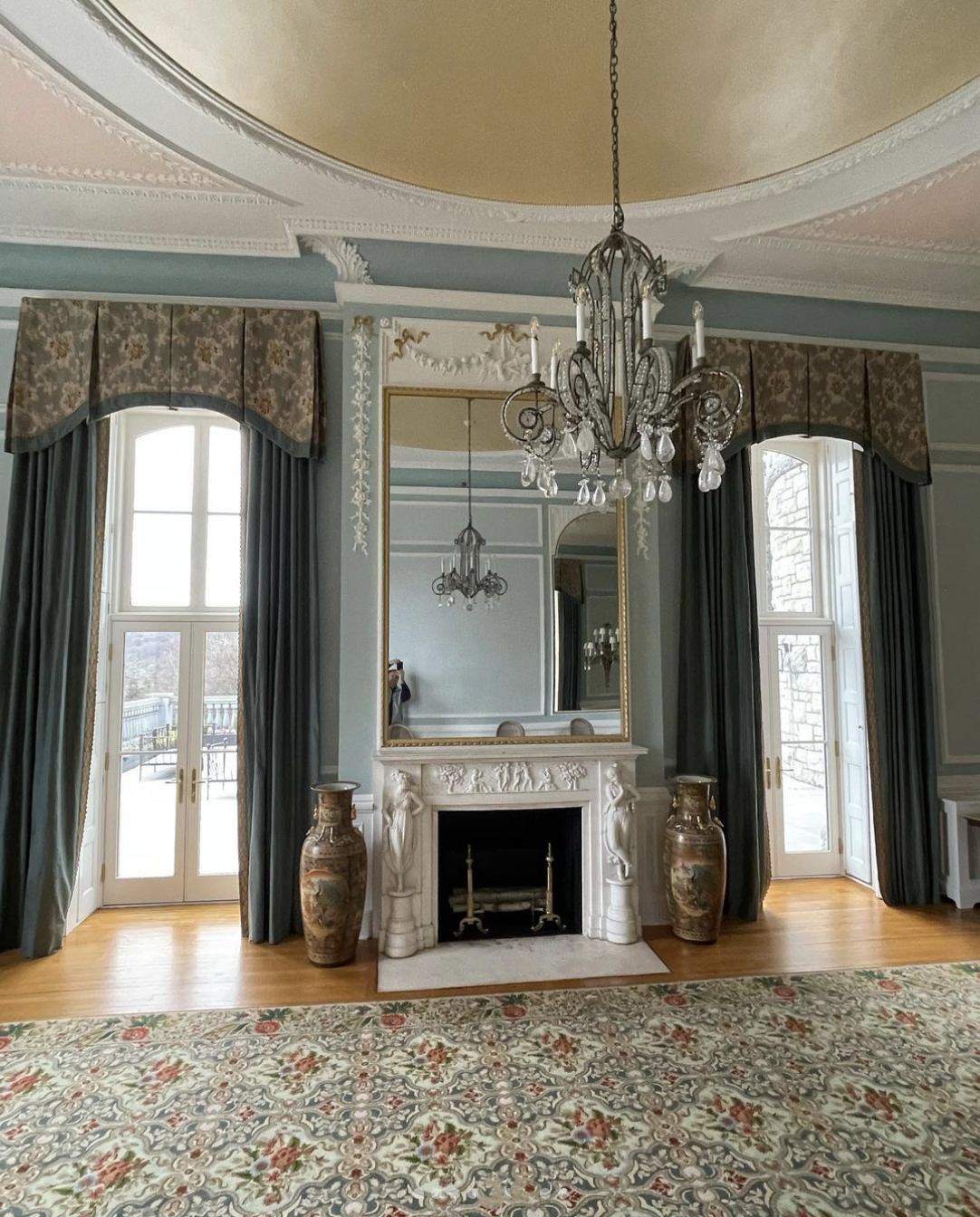
Delbarton School is an example of meticulous preservation and enhancement of Interior Doors in NYC. Proper window treatments, decorations, and architectural features contribute to the grandeur of this historical building. The ongoing renovation and restoration project at Old Main involve a careful study of the original elements, utilizing a combination of newly fabricated and restored windows, doors, shutters, interior casing, and hardware. Notably, the window replacement showcases historical reproduction and restoration, seamlessly blending the old and the new. Solid Mahogany and Oak Entry Doors have been installed, preserving 90% of the original interiors. Additionally, beautiful Cottage style French Doors with Arched Transoms have been added, allowing for operability and enhancing the overall aesthetic. The dedication to preserving the architectural heritage of Delbarton School's Old Main is a source of pride and an essential step in honoring the past while embracing the future.
A Balancing Act: Preservation and Modern Functionality
Preserving historical integrity while meeting modern functionality needs is a delicate balance. Often, historical buildings undergo adaptive reuse, where interior doors are retained or replicated to honor the building's past while accommodating contemporary design preferences and building codes.
Interior doors in New York City's historical buildings are not merely functional elements but also vital components of the city's rich architectural heritage. Preserving these doors ensures that future generations can appreciate the craftsmanship and artistry of the past while immersing themselves in the history and stories that these doors embody. As we continue to celebrate and safeguard our cultural legacy, interior doors stand as silent witnesses to the passage of time and the evolving tapestry of New York City's history.

Preserving History | Window Installation in New York City
New York City, a place steeped in history and architectural marvels, is adorned with a wide array of historical buildings that tell tales of a bygone era. One integral part of these historical structures are their windows, which not only provide a glimpse into the past but also contribute to the aesthetic charm of the city.

Trinity Towers Promenade Storefront window installation.
New York City, a place steeped in history and architectural marvels, is adorned with a wide array of historical buildings that tell tales of a bygone era. One integral part of these historical structures are their windows, which not only provide a glimpse into the past but also contribute to the aesthetic charm of the city. Preserving and restoring these windows is incredibly important, and this involves careful and specialized window installation techniques.
Understanding the Significance of Historical Windows
Historical windows are more than just apertures to let in light and air; they are a glimpse into the architectural and cultural heritage of a specific period. These windows often carry intricate designs, traditional craftsmanship, and unique materials that were prevalent during the time they were built. Preserving these elements is essential to maintain the authenticity and historical value of the building.
Challenges in Preserving Historical Windows
Preserving historical windows in New York City comes with its own set of challenges. Many of these windows are decades, if not centuries, old and may have undergone wear and tear over time. Factors like exposure to harsh weather conditions, pollution, and neglect can lead to deterioration. Maintaining the delicate balance between restoration and retaining the historical integrity of the windows is a key challenge faced by restoration experts.
Techniques for Preserving Historical Windows
Preserving historical windows involves a delicate blend of restoration, repair, and, when necessary, window replacement. Here are some techniques used by experts to ensure the longevity and authenticity of historical windows:
Historical Window Assessment
Thorough examination of the existing windows to determine their historical significance, condition, and the extent of restoration required.
Repair and Restoration
Repairing damaged sections, replacing deteriorated wood or glass, and restoring the window to its original condition using traditional craftsmanship and materials.
Replication and Customization
Creating replicas of original window components using traditional techniques to replace irreparable parts while maintaining the historical accuracy.

East Village project windows.
Weather Stripping and Insulation
Adding modern weather stripping and insulation techniques to enhance energy efficiency without compromising the historical appearance of the windows.
Period-Appropriate Window Installation
Implementing careful installation techniques that preserve the historic appearance and function of the window while ensuring durability and energy efficiency.
Importance of Professional Window Installation
Preserving historical windows is a specialized task that necessitates the expertise of professionals experienced in historical restoration. These experts are well-versed in the unique requirements of historical windows and understand the importance of preserving the historical fabric while incorporating modern elements for functionality and sustainability.
Preserving historical windows in New York City is a delicate and meticulous process that involves a delicate balance between restoration and modernization. By utilizing appropriate techniques and seeking the expertise of professionals, we can ensure that the windows that grace the historical buildings of New York City continue to tell stories of the past for generations to come. Let us cherish and preserve these architectural treasures, for they are the windows to our city's rich history.
ARE YOU AN AUDIO LISTENER?


10 Astor Place | Griffith Thomas Architecture
We are currently wrapping up this beautiful custom Landmark Mahogany Parrett Windows and Doors Store Front at 10 Astor Place, incorporating a custom decorative Louver above the entry vestibule to accommodate mechanicals.
We are currently wrapping up this beautiful custom Landmark Mahogany Parrett Windows and Doors Store Front at 10 Astor Place, incorporating a custom decorative Louver above the entry vestibule to accommodate mechanicals.
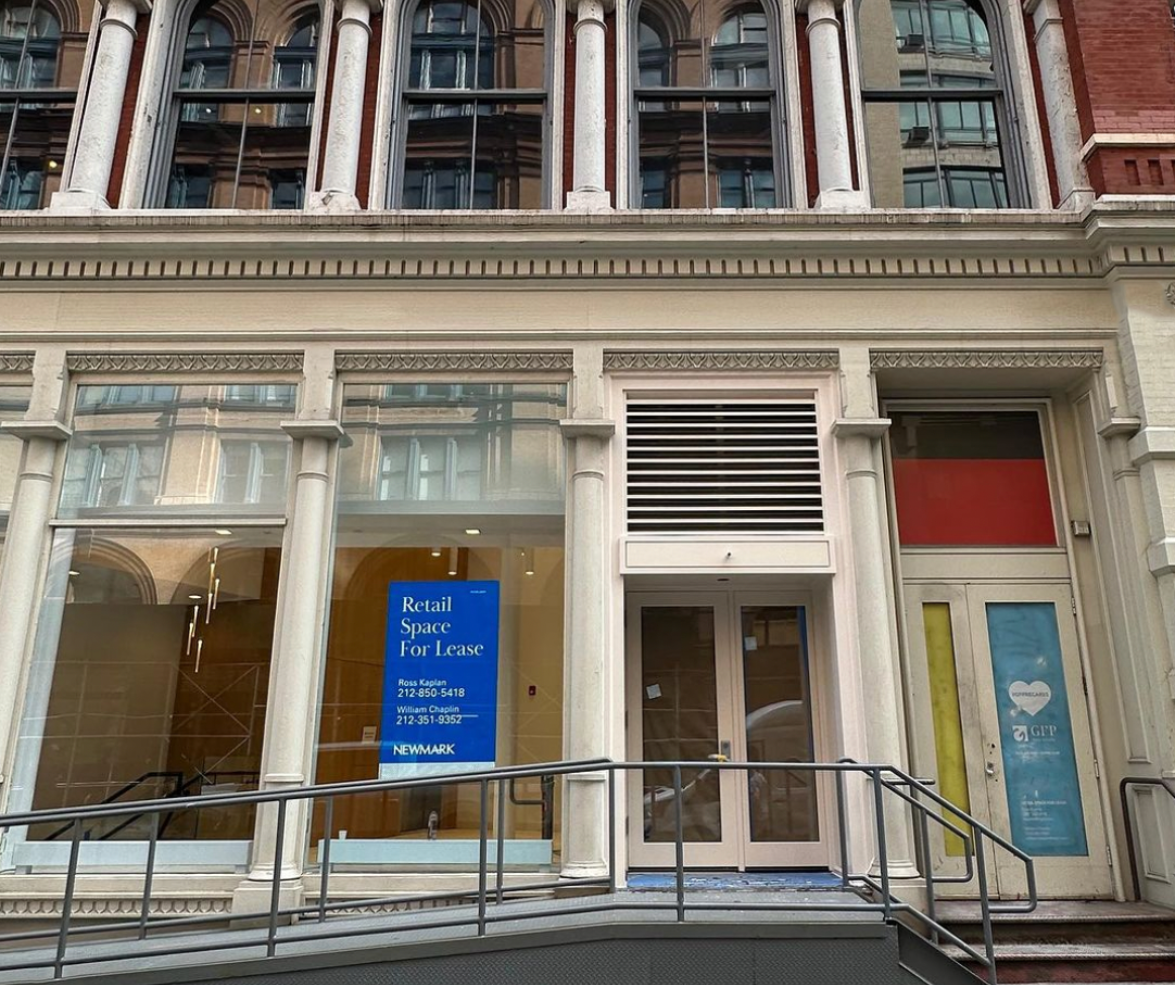
10 Astor Place, built in 1876 in a neo-Grecian style by the architect Griffith Thomas, was originally constructed as a factory and printing office and is now in the heart of Noho district. Noho’s famous cast iron buildings with their iconic fire escapes were originally home to the city’s textile industry. As the textile merchants moved on, the neighborhood fell into decline until it was re-discovered by artists and gallery owners seeking sprawling spaces, who brought life back to the empty buildings.
Architecture writer Christopher Gray called Thomas "one of the most prolific architects of the period" (the mid-19th century). The American Institute of Architects in 1908 called him "the most fashionable architect of his generation." Many of his notable buildings are found throughout New York City; and we proud
to be part of the building's history and select works such as:
St. Nicholas Hotel
Fifth Avenue Hotel
Maynicke
Astor Library
The Public Theatre
Mortimer Building 935-939 Broadway
National Park Bank
Pike's Opera House
Arnold Constable Building
New York Life Insurance Building
12 East 53rd Street
Gunther Building
Hotel Bristol
Kimball House Hotel


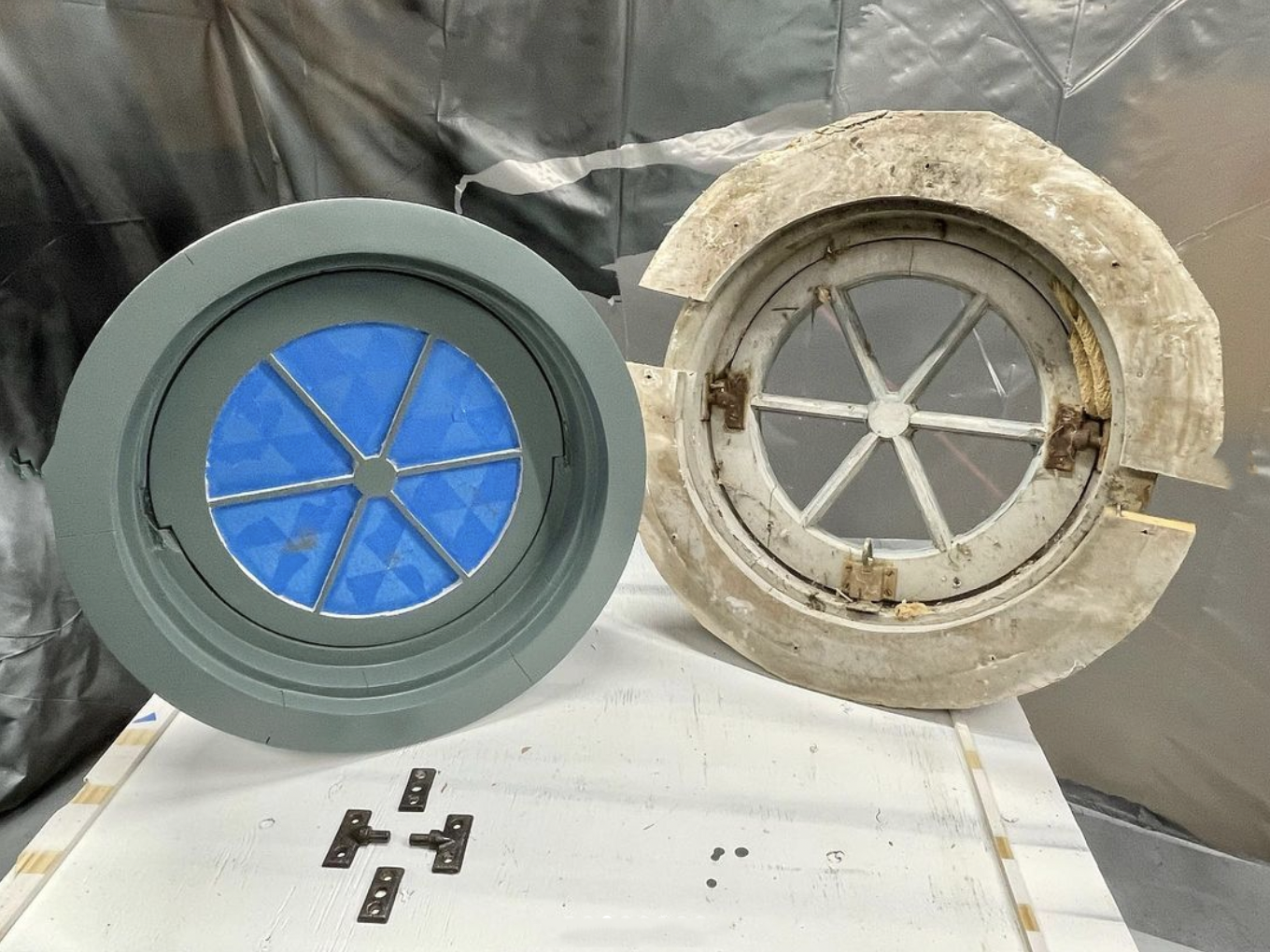
To Restore or Replace?
Restoring and replacing windows are two distinct approaches when it comes to preserving the architectural integrity of a building.
Restoring and replacing windows are two distinct approaches when it comes to preserving the architectural integrity of a building.
Restoration involves carefully repairing and refurbishing existing windows by employing specialized techniques and materials. This method aims to retain the original design, craftsmanship, and historical significance of the windows, maintaining the building's authenticity. The restoration process begins with a thorough assessment of the windows' condition, identifying areas that need attention. Skilled artisans then meticulously repair any damaged components, such as deteriorating frames or broken glass panes, often using traditional woodworking and glassmaking techniques. Restoration not only preserves the aesthetic charm of the building but also respects the architectural and historical significance it holds. By retaining the original windows, the building's connection to its past remains intact.

Before: Leaded art glass sashes

After: Restored the old glazing and reinserted it into new tilt-able frames from Norwood Windows and Doors.
On the other hand, replacing historical windows involves removing the original windows and installing new ones that replicate the original style. This approach may offer improved energy efficiency and functionality, as modern materials and technologies can be utilized. Building owners opting for replacement may consider factors such as insulation, soundproofing, and ease of operation.

Before: Triple Hung Weight and Chain Window

After: Triple Hung Weight and Chain Window
Ultimately, the choice between restoration and replacement depends on the specific needs and goals of the building owner, while considering the importance of historical preservation. Both methods have their merits and drawbacks, and careful consideration must be given to the long-term impact on the building's historical significance. It is essential to strike a balance between preserving the architectural integrity and incorporating modern advancements. With proper research, expert guidance, and respect for the building's past, building owners can make informed decisions to safeguard our rich architectural heritage for future generations.