

News
OUR WORK IN ACTION

Preserving Heritage | Restoring Harperley Hall
Nestled on the Upper West Side of Manhattan, Harperley Hall stands as an architectural marvel and a testament to New York's rich history. As a team passionate about historic preservation and architectural excellence, Harperley Hall has been a frequent site for us to showcase our talents over the years.

Nestled on the Upper West Side of Manhattan, Harperley Hall stands as an architectural marvel and a testament to New York's rich history. As a team passionate about historic preservation and architectural excellence, Harperley Hall has been a frequent site for us to showcase our talents over the years.
Built in 1911, this handsome, pre-war, 12-story apartment building at 41 Central Park West, on the northwest corner at 64th Street, is more than just a residential building; it is a cooperative that has become infamous as Madonna's residence and dance studio. Harperley Hall is a rare example of Arts and Crafts style architecture in New York, making it a unique and valuable piece of the city's architectural heritage.
The vision for this building was brought to life by architect Henry W. Wilkerson, who partnered with several other creative minds to develop the building as a cooperative – the first of its kind on Central Park West. With only 85 very large apartments, Harperley Hall exudes an air of exclusivity and elegance.

One of its distinctive features is its U-shaped design, with a T-shaped courtyard. The building's exterior is adorned with ribbon brick coursing in a Flemish Bond pattern, along with classical granite and limestone foundation, entablature, and cornices. Wilkerson named Harperley Hall after a manor house in Northumberland, England, which reportedly was his ancestral home, adding a touch of personal history to this architectural gem.
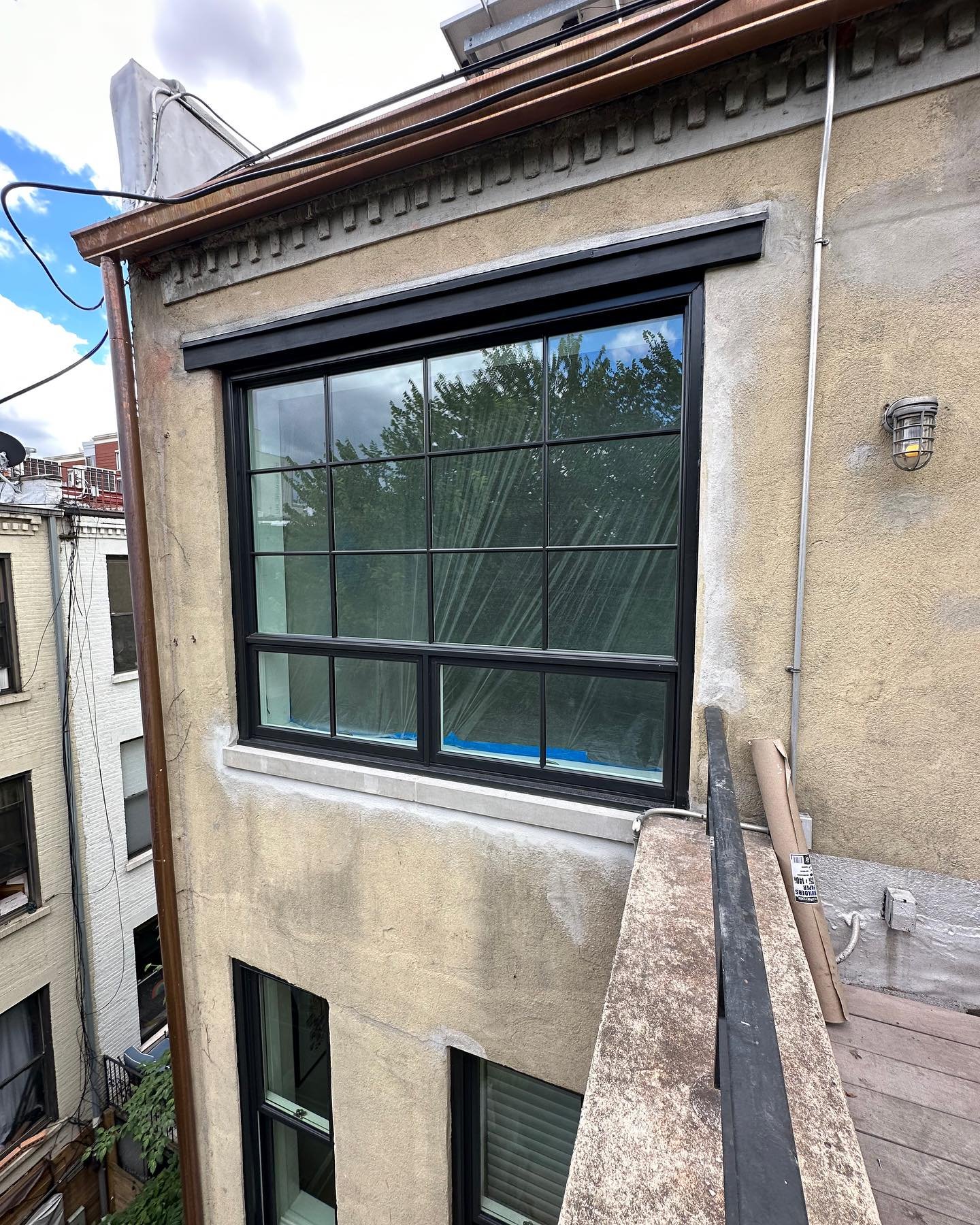
While the exterior is a sight to behold, our work on this project focused on preserving its historic charm while upgrading its functionality. For this project, we installed solid mahogany Parrett Windows and Marvin Windows, following strict landmark guidelines and special engineering specifications. This included the complete removal of the existing original or replacement windows, removal of all old framing, repair of existing masonry openings, reframing with fire-rated lumber, installation of vapor/water barriers, termination bars, seam sealers, and solid blocking with properly spaced anchors.
Harperley Hall, also known as 1 West 64th Street, is not just a building; it is a piece of New York's history. Its side-street entrance, complete with a guardhouse, adds to its allure and mystique. Working on projects like Harperley Hall reminds us of the importance of preserving our architectural heritage and ensuring that these landmarks continue to stand tall for years to come.


Exploring New York City's Iconic Landmark Windows
New York City's skyline is a testament to human ingenuity and architectural brilliance. Among the towering skyscrapers and bustling streets lie windows that have become iconic symbols of the city's rich history, culture, and innovation. From the sleek modernity of glass-walled structures to the ornate detailing of historic buildings, each window tells a story of New York's past and present.
New York City's skyline is a testament to human ingenuity and architectural brilliance. Among the towering skyscrapers and bustling streets lie windows that have become iconic symbols of the city's rich history, culture, and innovation. From the sleek modernity of glass-walled structures to the ornate detailing of historic buildings, each window tells a story of New York's past and present. Join us on a virtual tour as we explore some of the most iconic landmark windows in the Big Apple.

Empire State Building
Standing tall at the heart of Manhattan, the Empire State Building is an enduring symbol of New York City. Its Art Deco design, completed in 1931, boasts a plethora of iconic windows that offer stunning views of the city below. The observatories on the 86th and 102nd floors feature floor-to-ceiling windows, providing visitors with panoramic vistas of Manhattan and beyond. Whether gazing out at the twinkling city lights or marveling at the expanse of Central Park, the windows of the Empire State Building offer an unparalleled experience.
One World Trade Center
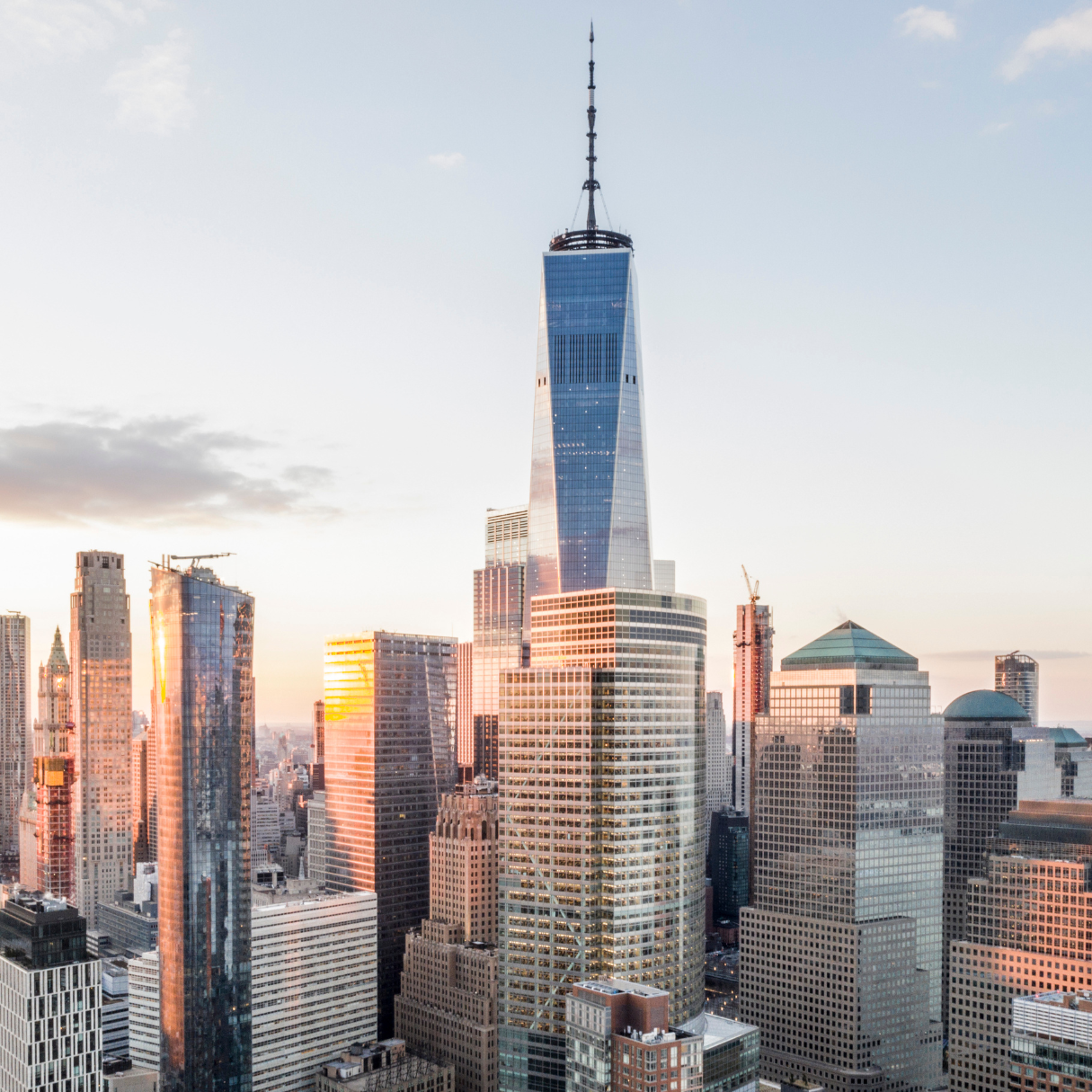
As the tallest building in the Western Hemisphere, One World Trade Center commands attention with its sleek glass facade. The building's innovative design incorporates energy-efficient glass panels that not only provide breathtaking views of the city but also reflect the ever-changing sky above. The observatory, located on the 100th floor, boasts expansive windows that offer visitors a bird's-eye view of New York Harbor, the Statue of Liberty, and the surrounding skyline. These windows serve as a poignant reminder of resilience and hope in the face of adversity.

The Dakota
Nestled on the Upper West Side, The Dakota is a historic apartment building renowned for its timeless elegance and architectural grandeur. Built in the late 19th century, The Dakota features exquisite windows adorned with intricate carvings and ornamental details. These windows have borne witness to decades of New York City history, from the Gilded Age to the present day. With views overlooking Central Park, The Dakota's windows offer a glimpse into a bygone era while remaining an integral part of the city's cultural landscape.

Chrysler Building
An Art Deco masterpiece, the Chrysler Building is revered for its distinctive design and iconic crown. The building's gleaming windows shimmer in the sunlight, reflecting the vibrant energy of the surrounding metropolis. The observation deck, located on the 71st floor, offers visitors a close-up look at the building's famous gargoyles and gargantuan stainless steel eagles. From this vantage point, one can admire the intricate detailing of the building's exterior and marvel at the sweeping views of Midtown Manhattan.

The Guggenheim Museum
Designed by renowned architect Frank Lloyd Wright, the Guggenheim Museum is a modernist masterpiece that defies convention. Its unique spiral design features a series of continuous windows that bathe the interior in natural light. As visitors ascend the museum's ramp-like galleries, they are treated to ever-changing views of the cityscape outside. The windows of the Guggenheim serve not only as architectural marvels but also as integral components of the museum's innovative design.
New York City's landmark windows are more than just architectural features; they are portals to the past, present, and future of the metropolis. From the soaring heights of skyscrapers to the timeless elegance of historic buildings, these windows offer a glimpse into the soul of the city. Whether admiring panoramic views from the Empire State Building or contemplating the intricate detailing of The Dakota's windows, one thing is certain: the windows of New York City will continue to inspire awe and wonder for generations to come.
From Casements to Double-Hung | The World of Windows
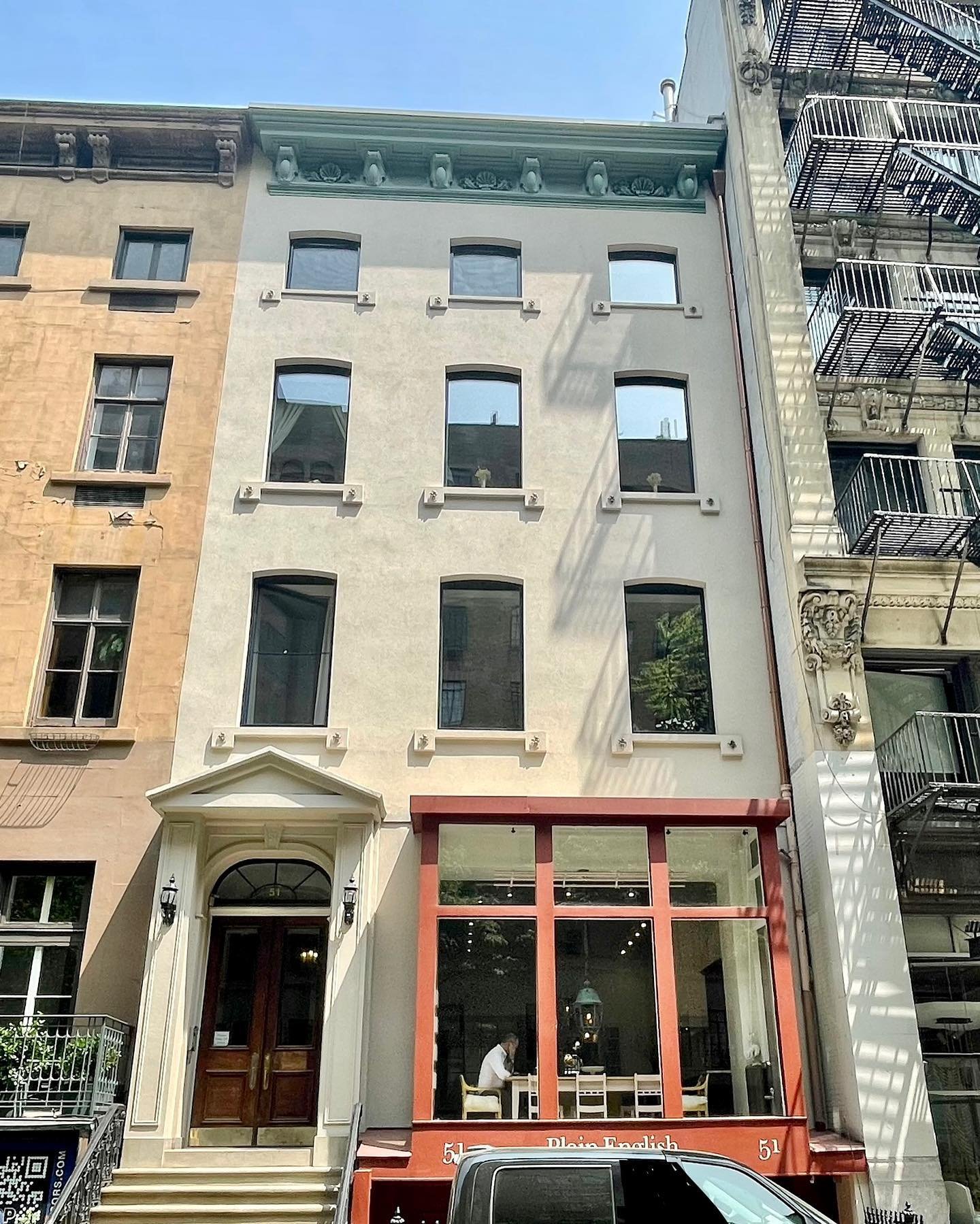
New York City's skyline is a testament to architectural innovation and diversity. One key element that contributes to the uniqueness of its buildings is the variety of windows used. From historic brownstones to modern skyscrapers, the windows in NYC homes and buildings showcase a rich tapestry of styles and functionalities.
New York City's skyline is a testament to architectural innovation and diversity. One key element that contributes to the uniqueness of its buildings is the variety of windows used. From historic brownstones to modern skyscrapers, the windows in NYC homes and buildings showcase a rich tapestry of styles and functionalities.
Classic Double-Hung Windows: Versatile and Functional
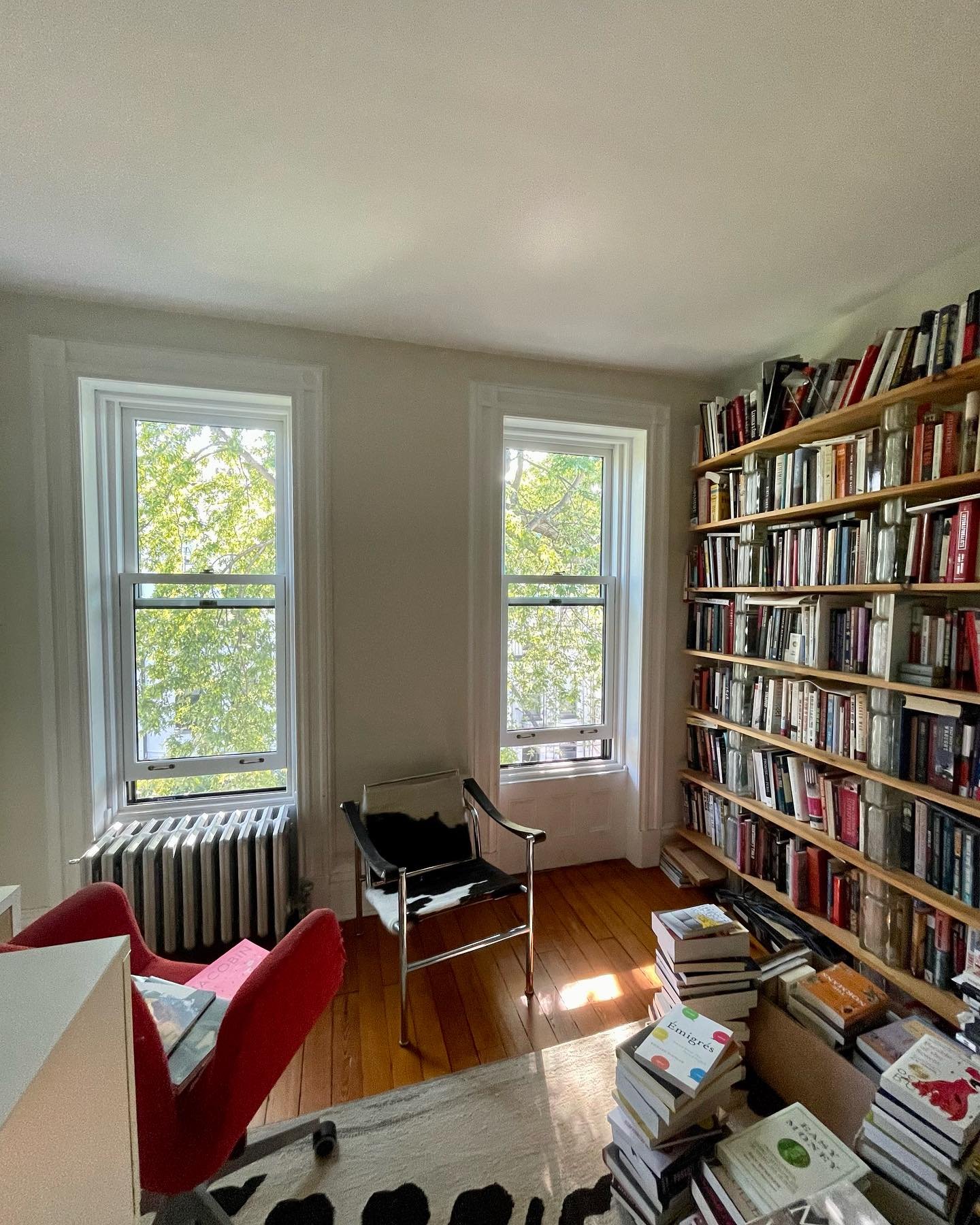
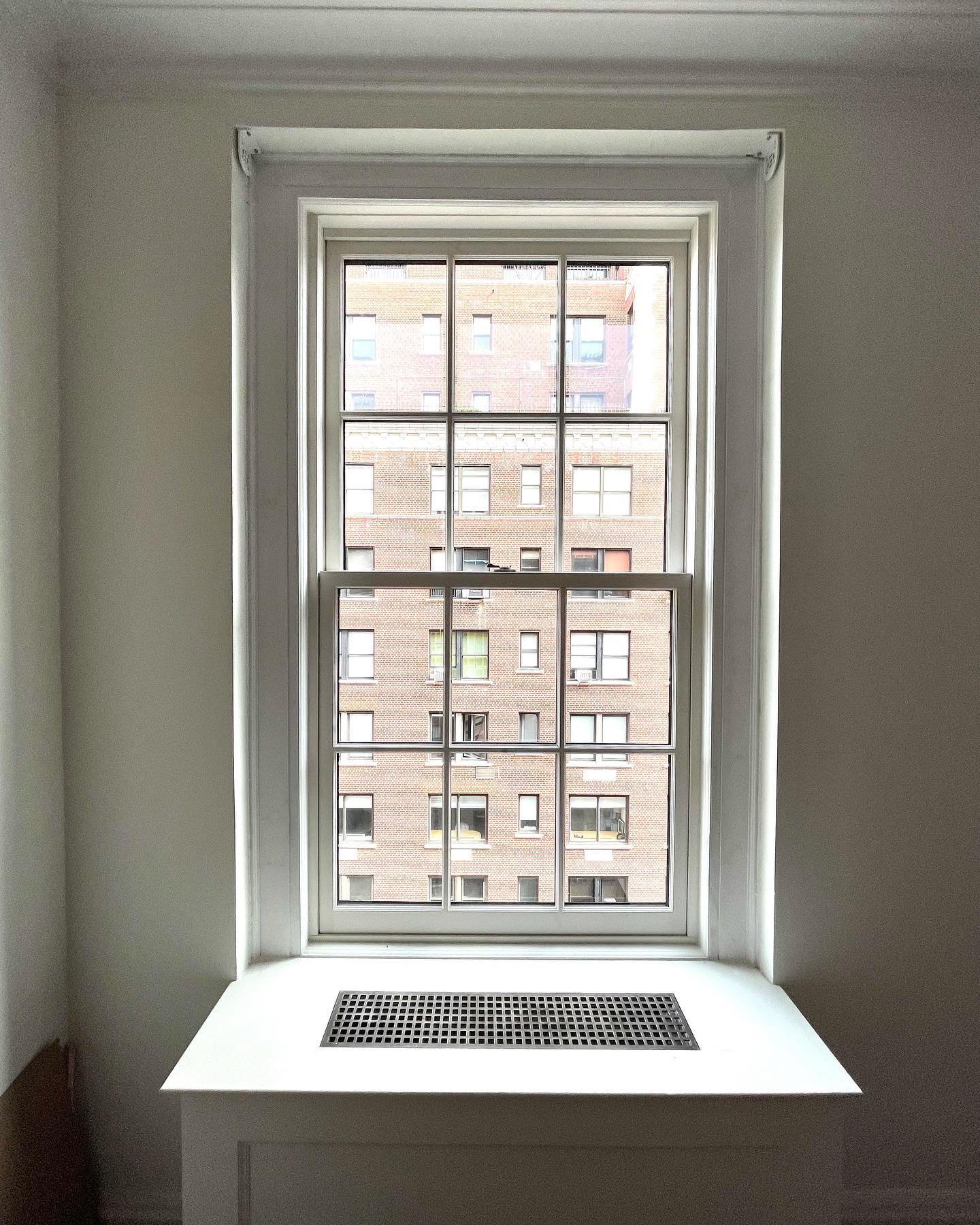
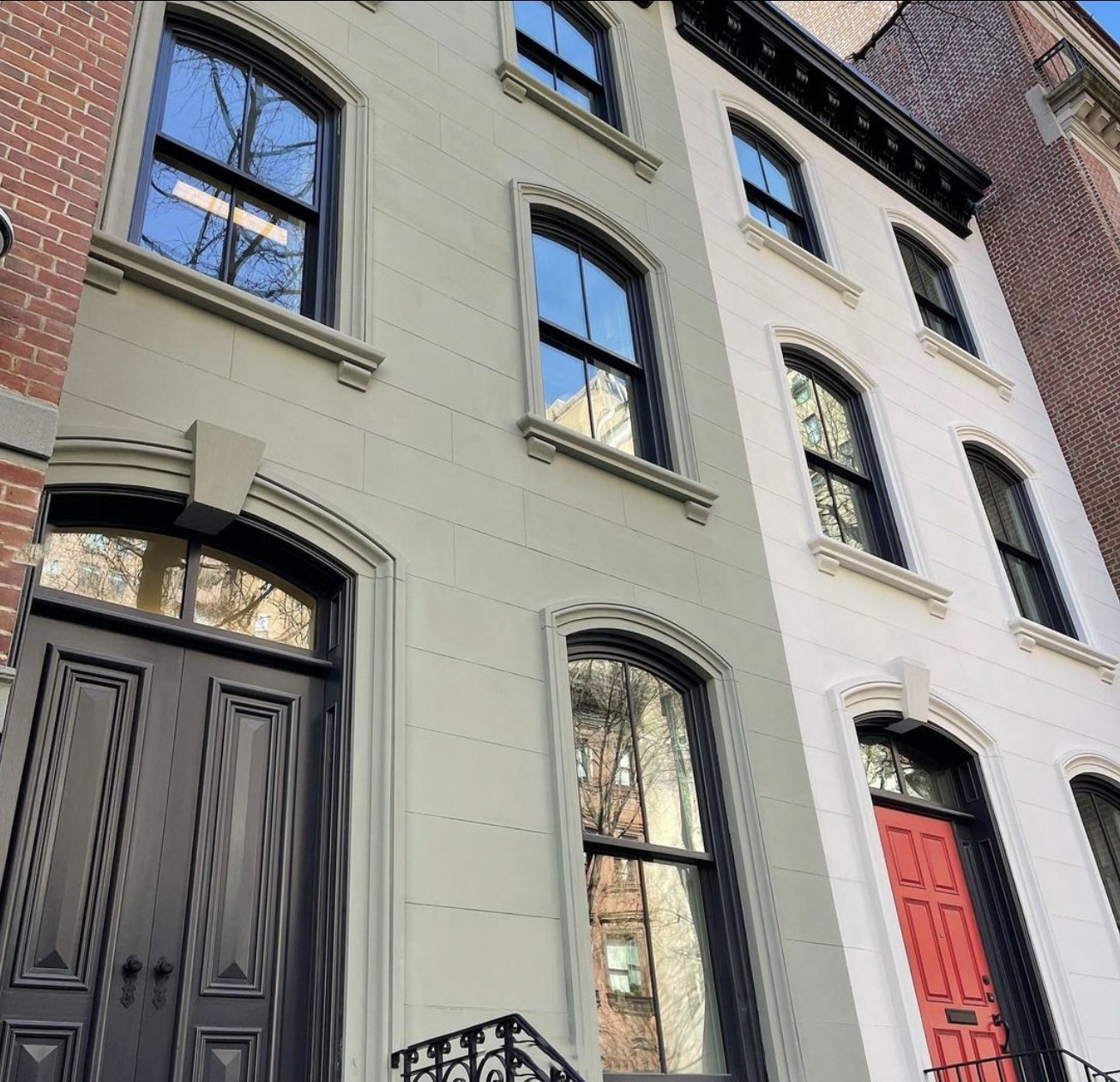
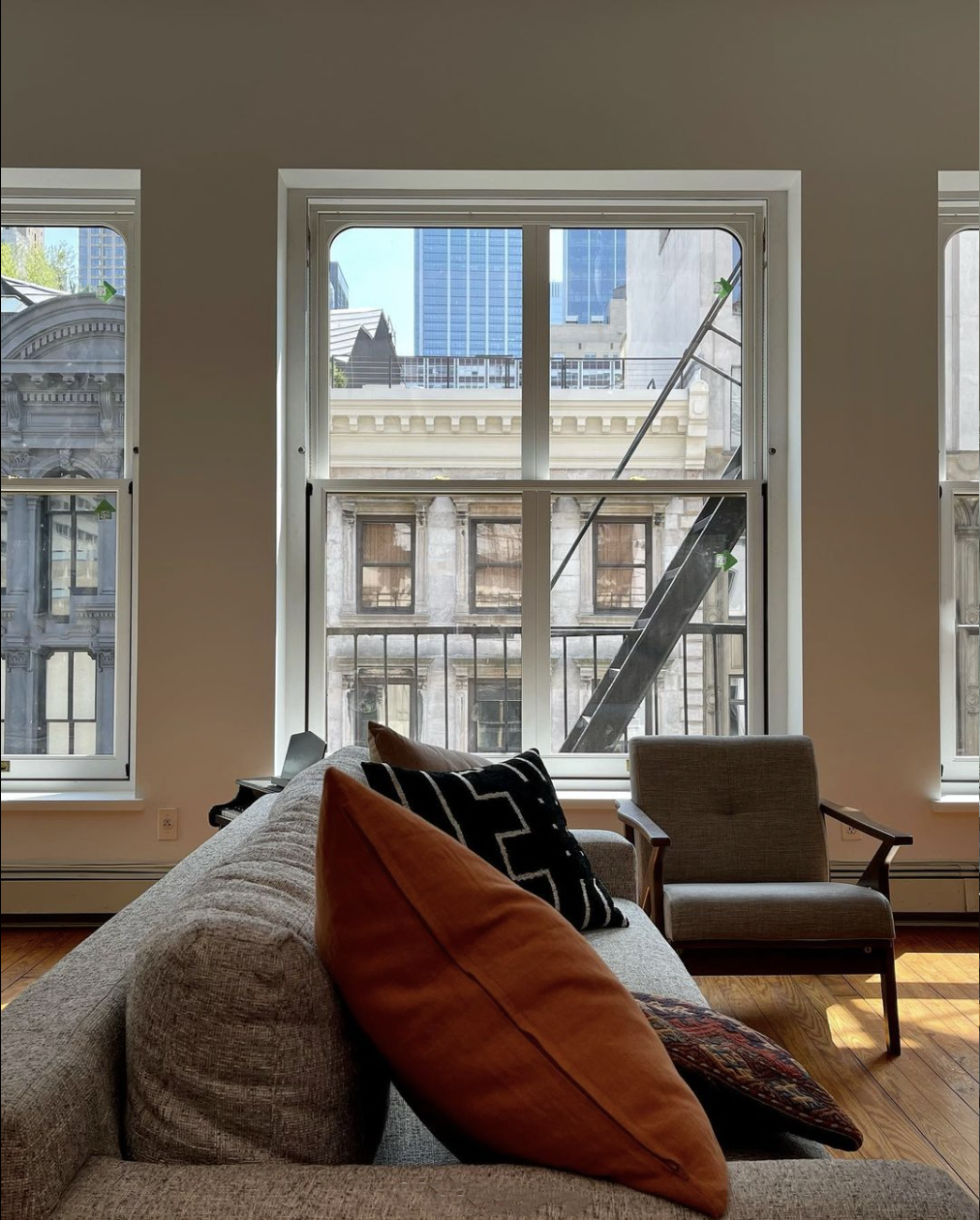
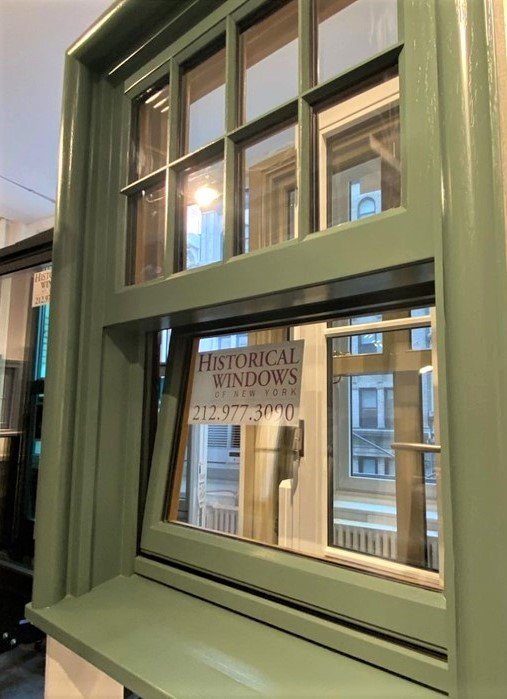
In many of New York City's traditional brownstones and historic buildings, you'll find classic double-hung windows. These windows consist of two sashes that slide vertically, allowing for easy ventilation and maintenance. They are not only aesthetically pleasing but also evoke a sense of timeless elegance.
Casement Windows: Contemporary Elegance
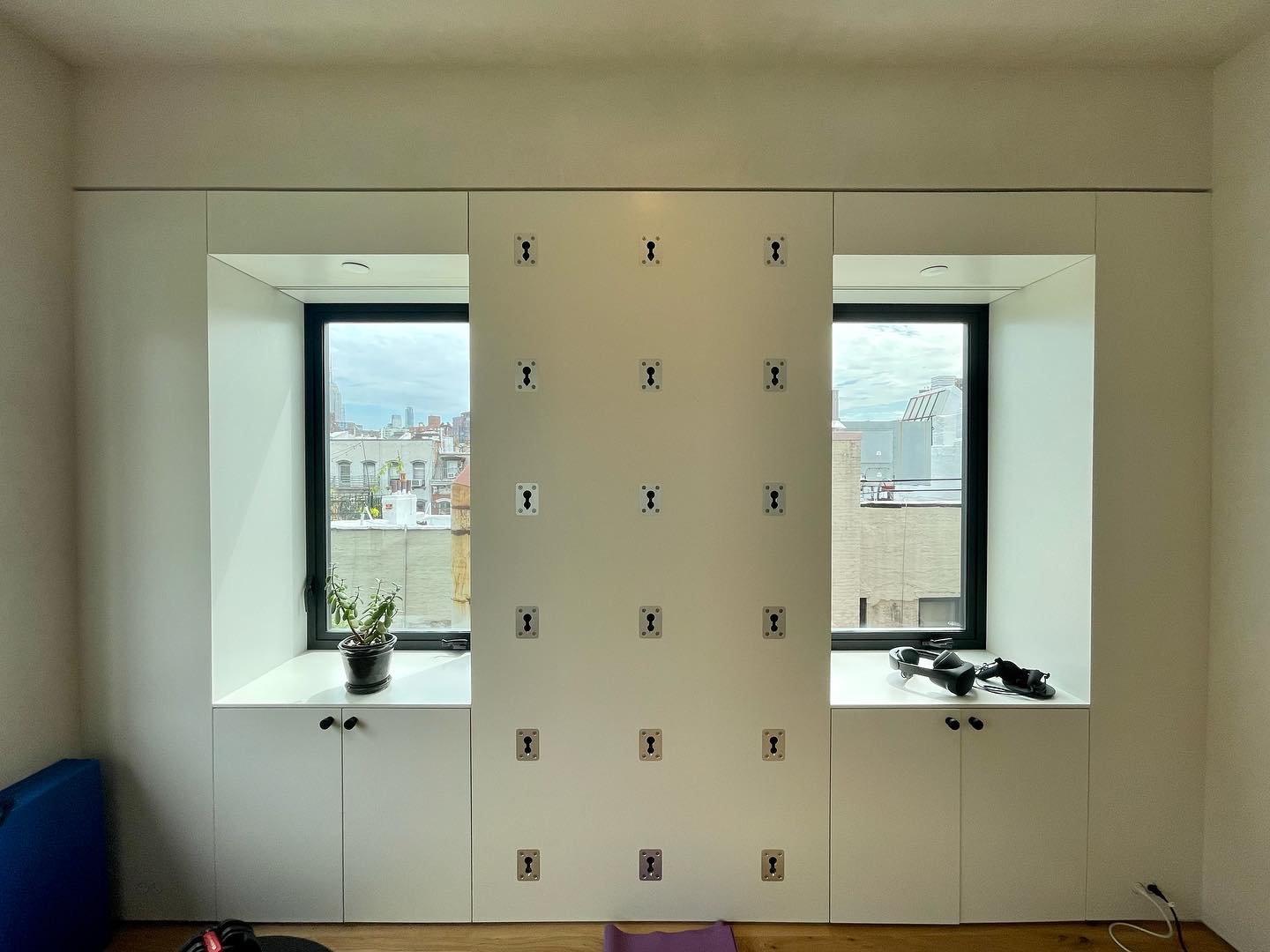
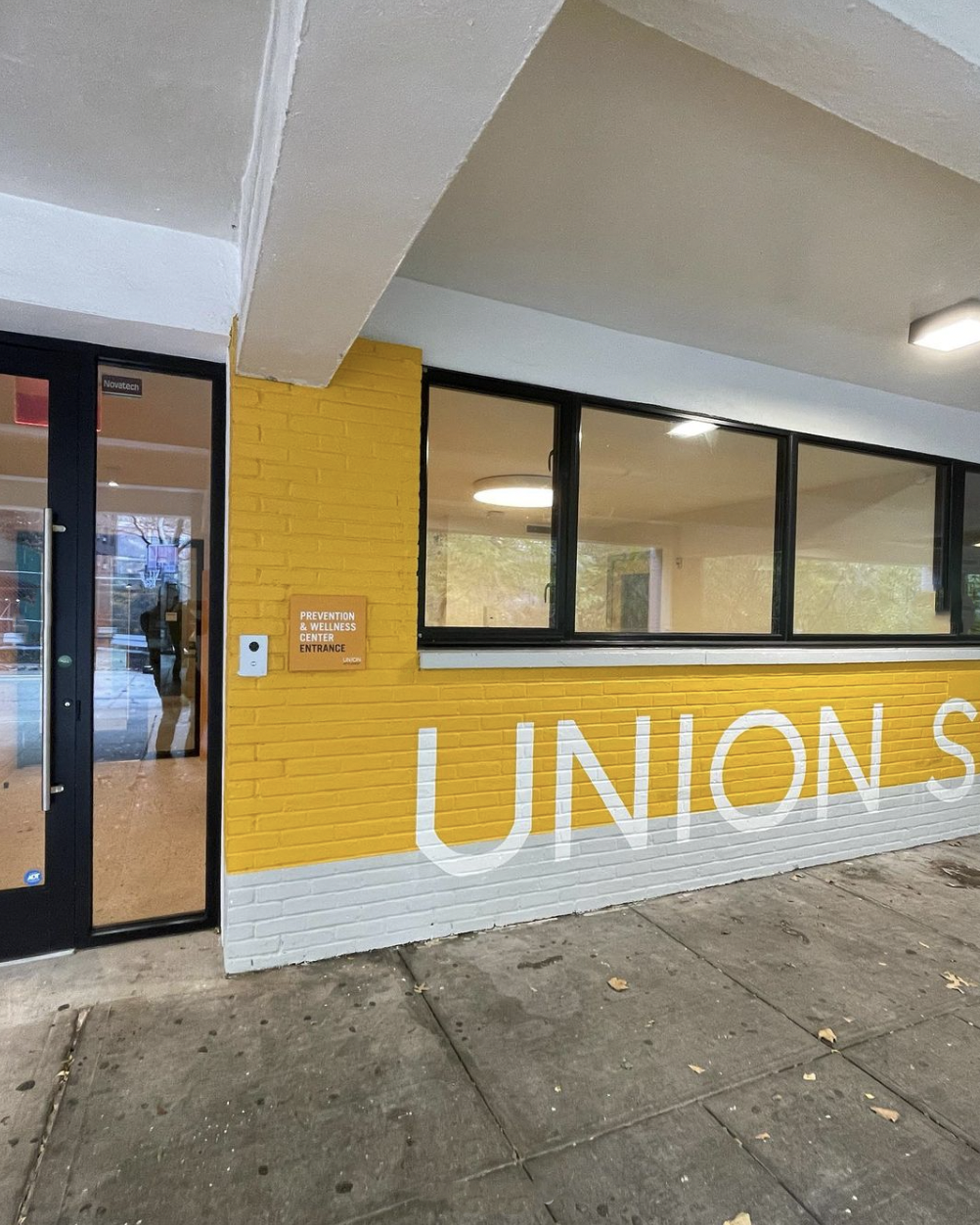
Modern architecture in NYC often embraces casement windows. These windows are hinged on one side and open outward like a door, providing unobstructed views and excellent ventilation. Their sleek design complements contemporary buildings, and they are commonly found in high-rise apartments and office spaces.
Bay and Bow Windows: Architectural Statements
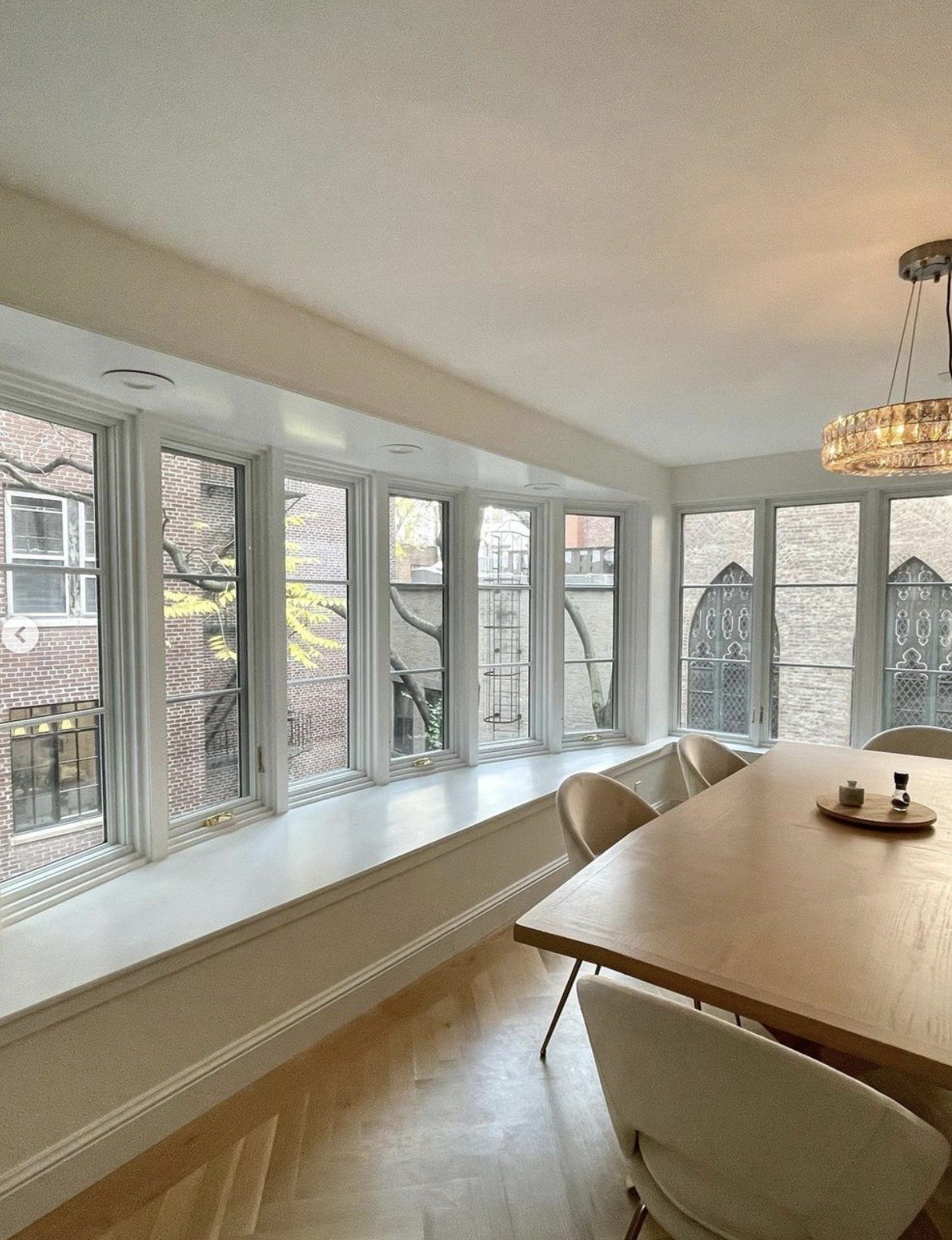
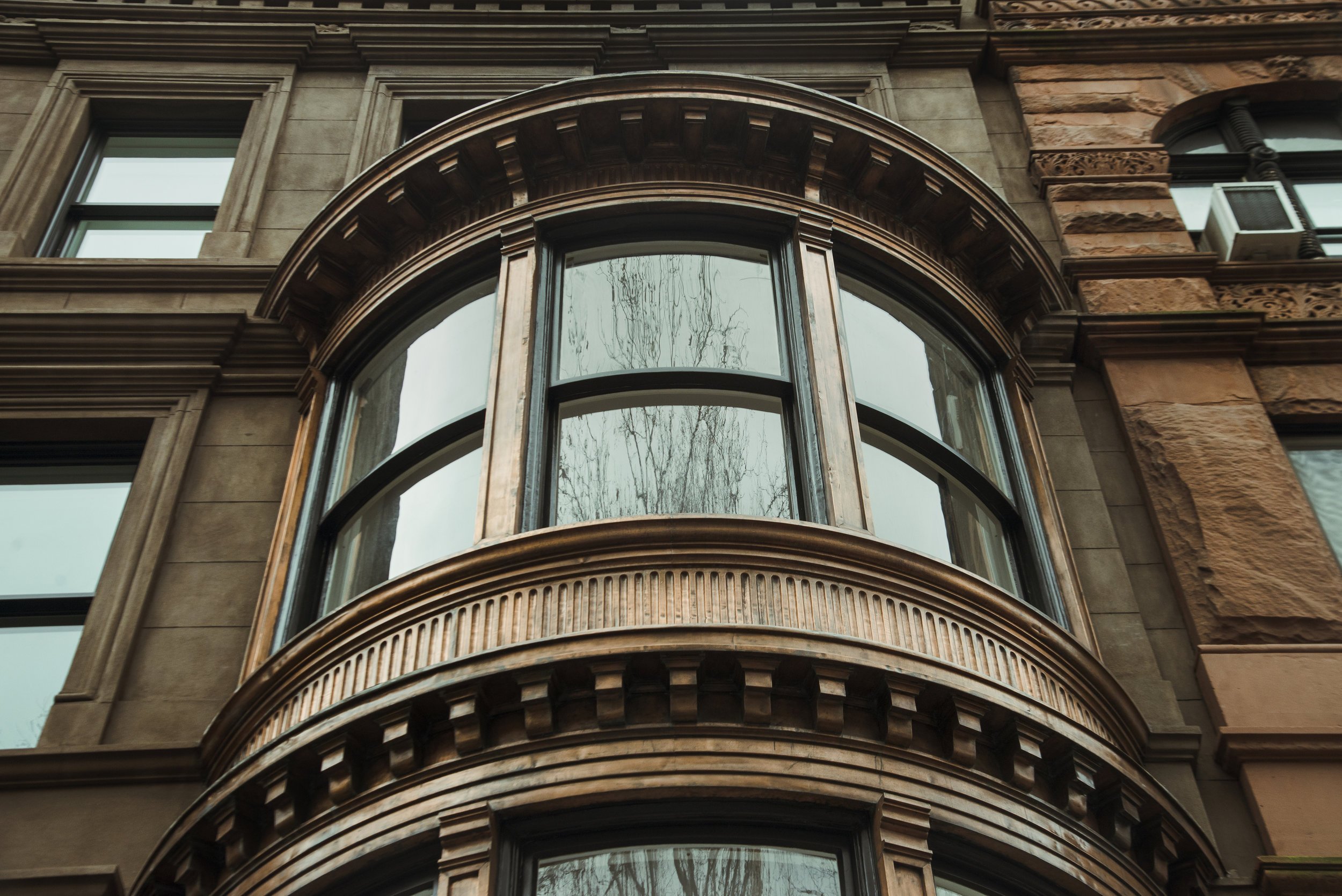
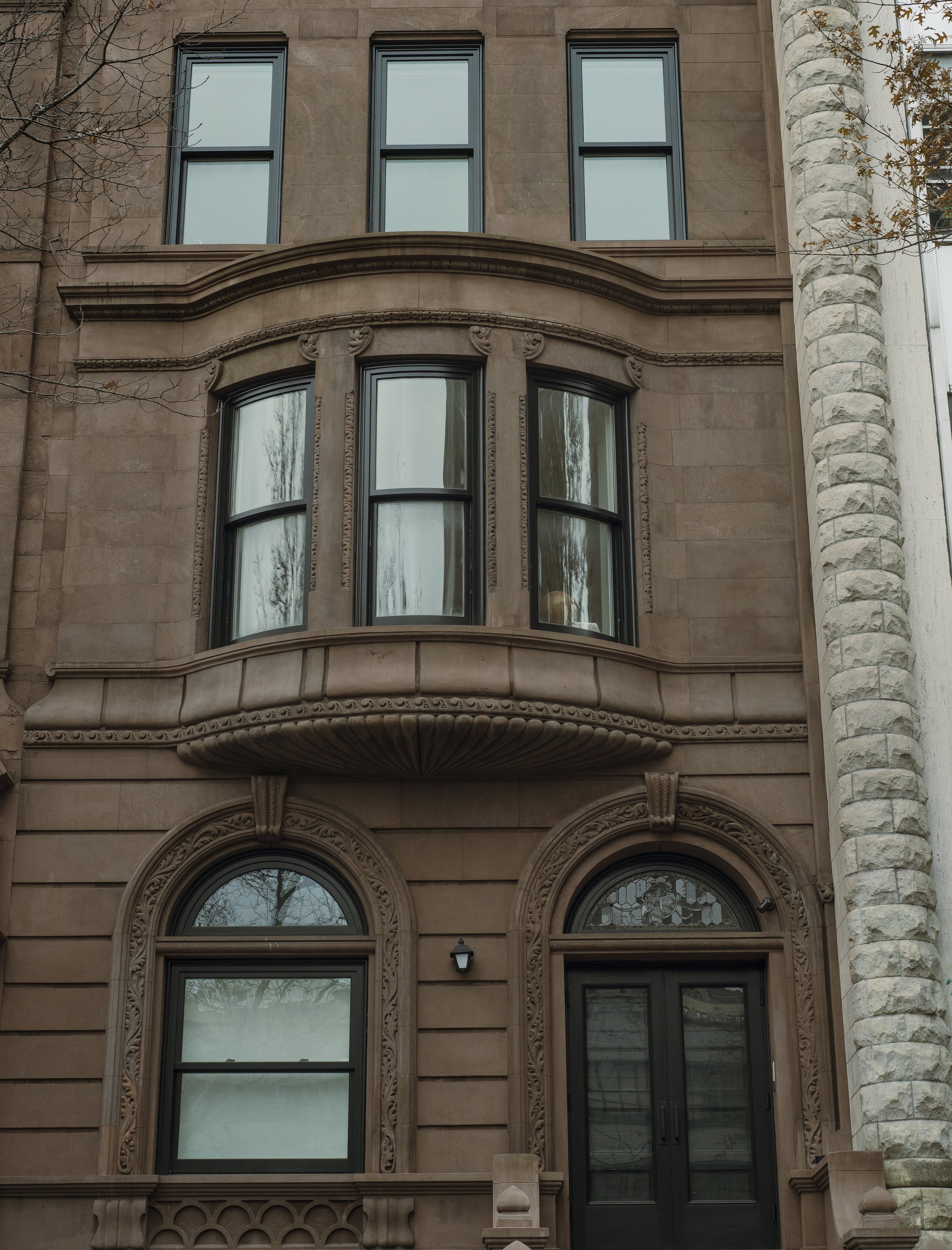
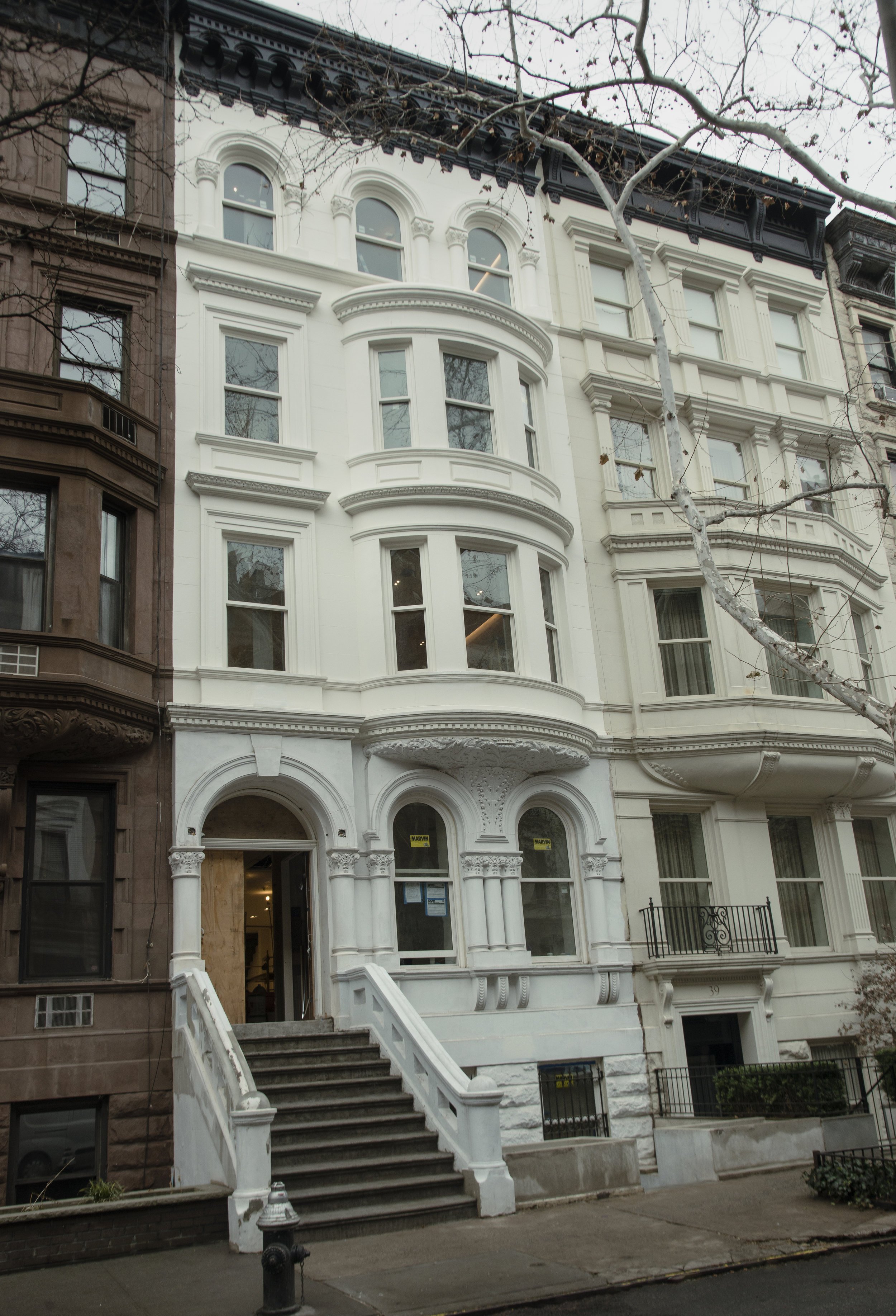
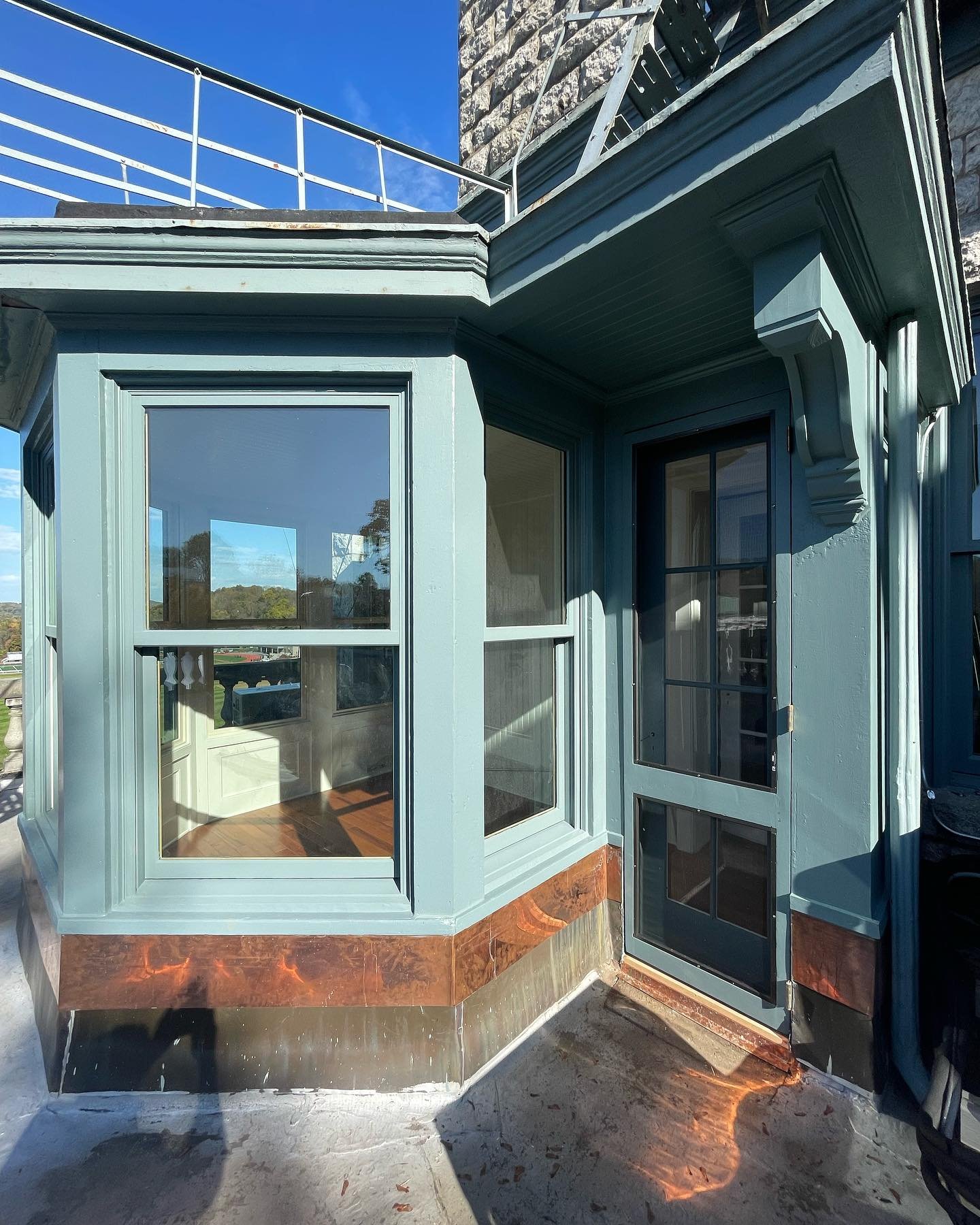
Bay windows add a touch of charm to residential buildings in New York City. These projecting windows create additional space within a room and offer panoramic views of the city. They are a popular choice for brownstones and townhouses, providing both architectural interest and functionality.
Picture Windows: Frame Your View
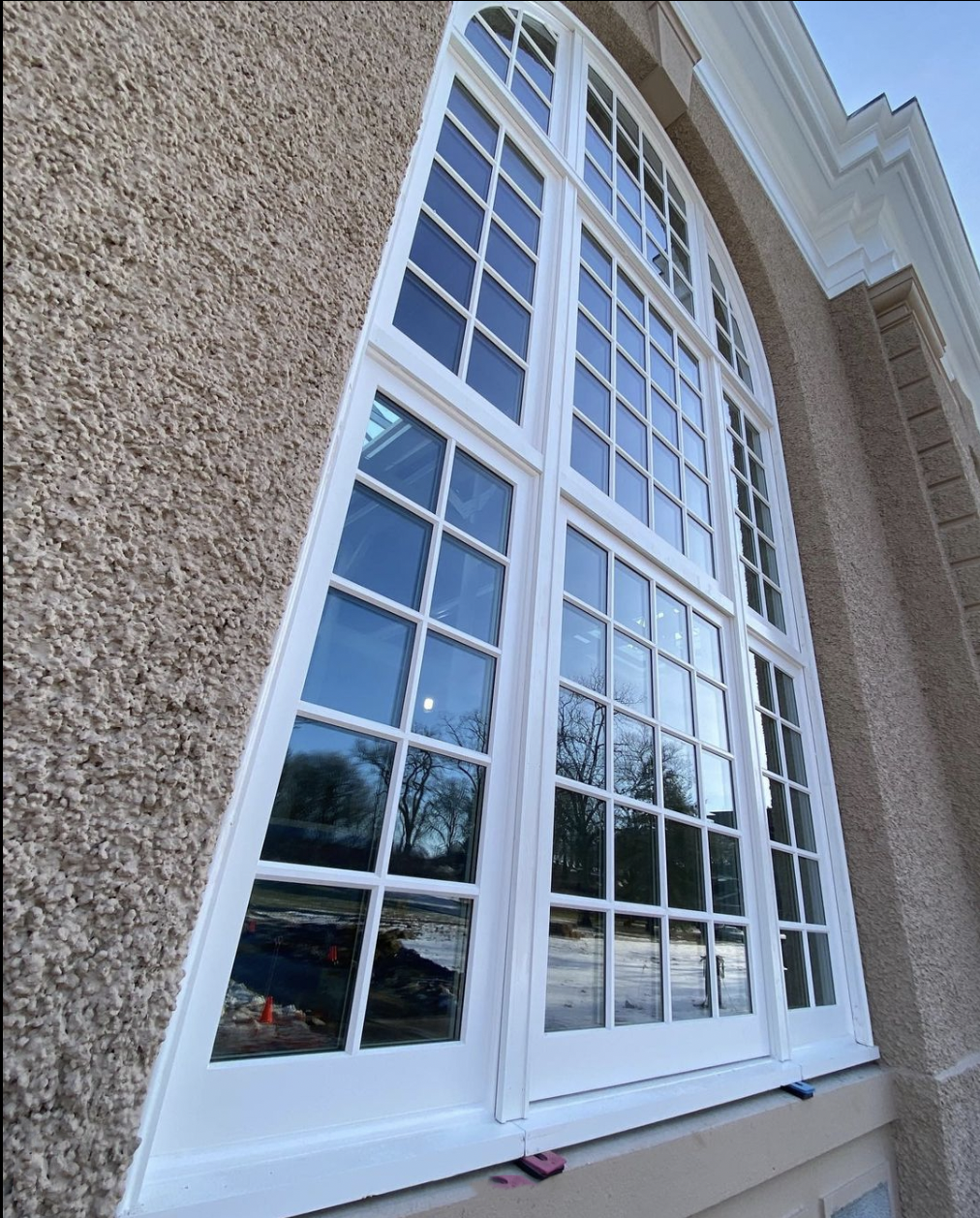
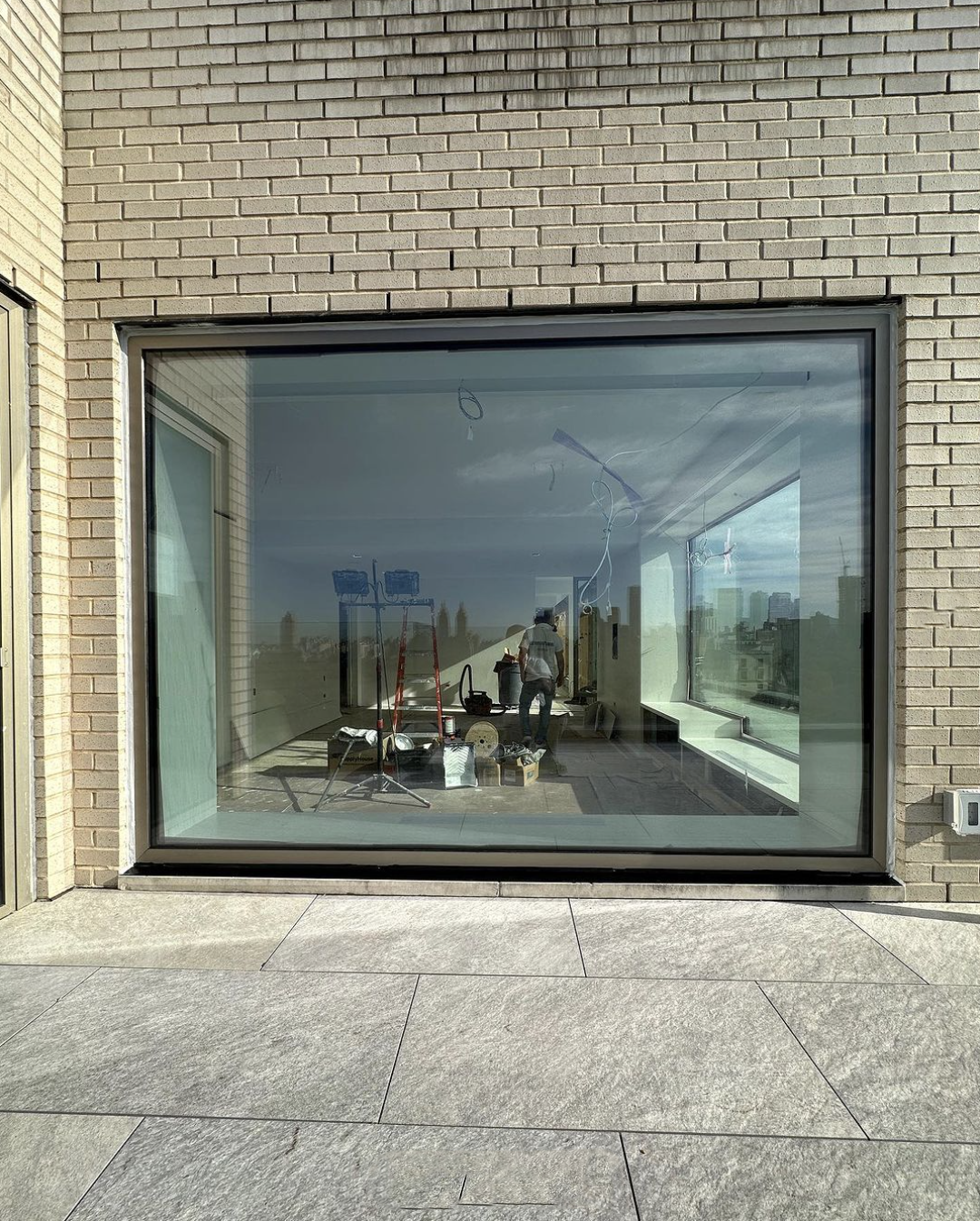
Picture windows are fixed and do not open, serving as large, unobstructed frames to showcase scenic views or allow abundant natural light into a room. These windows are perfect for highlighting architectural features and are often used in combination with other window types to create a customized look.
Historical Stained Glass Windows: Intricate and Decorative
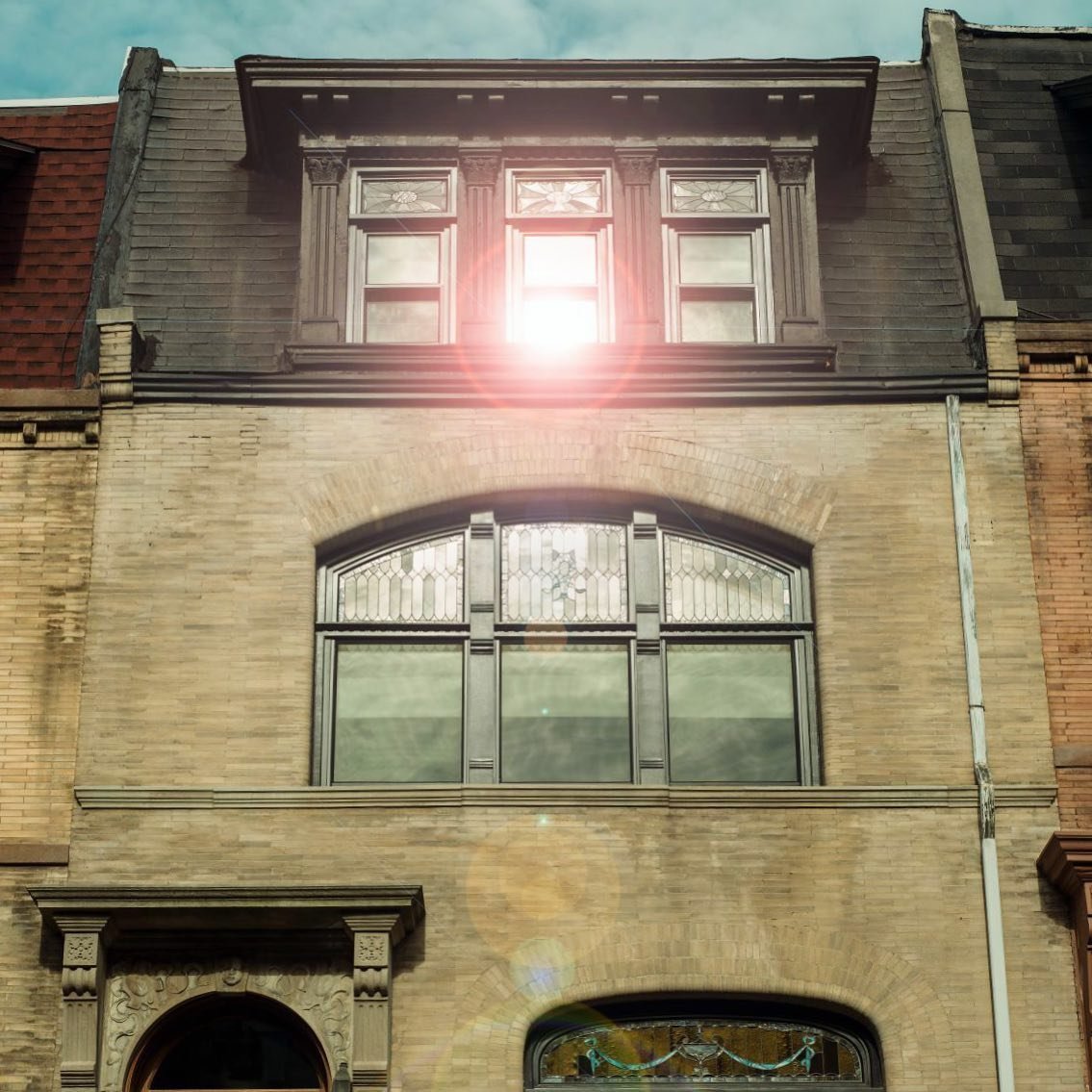
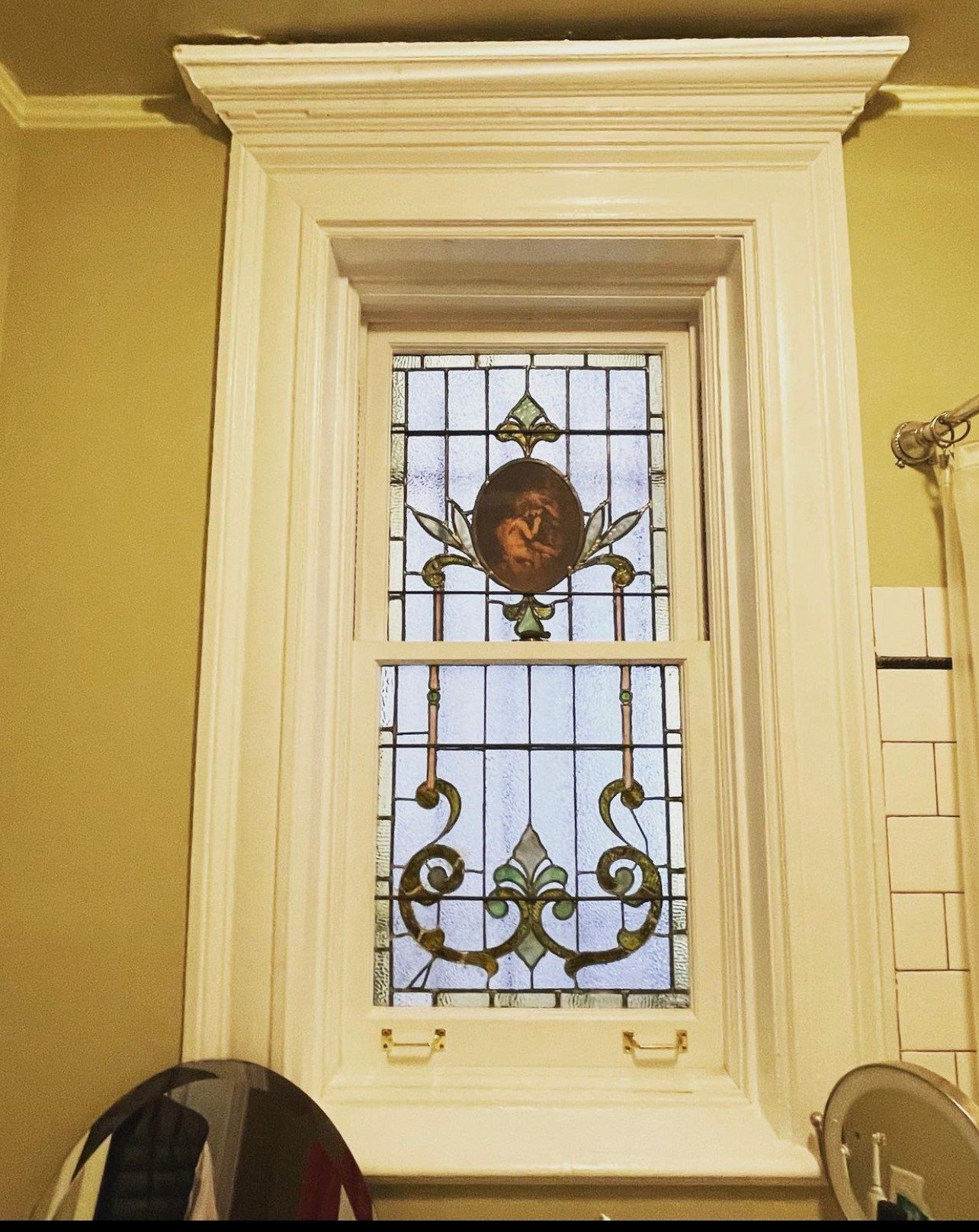
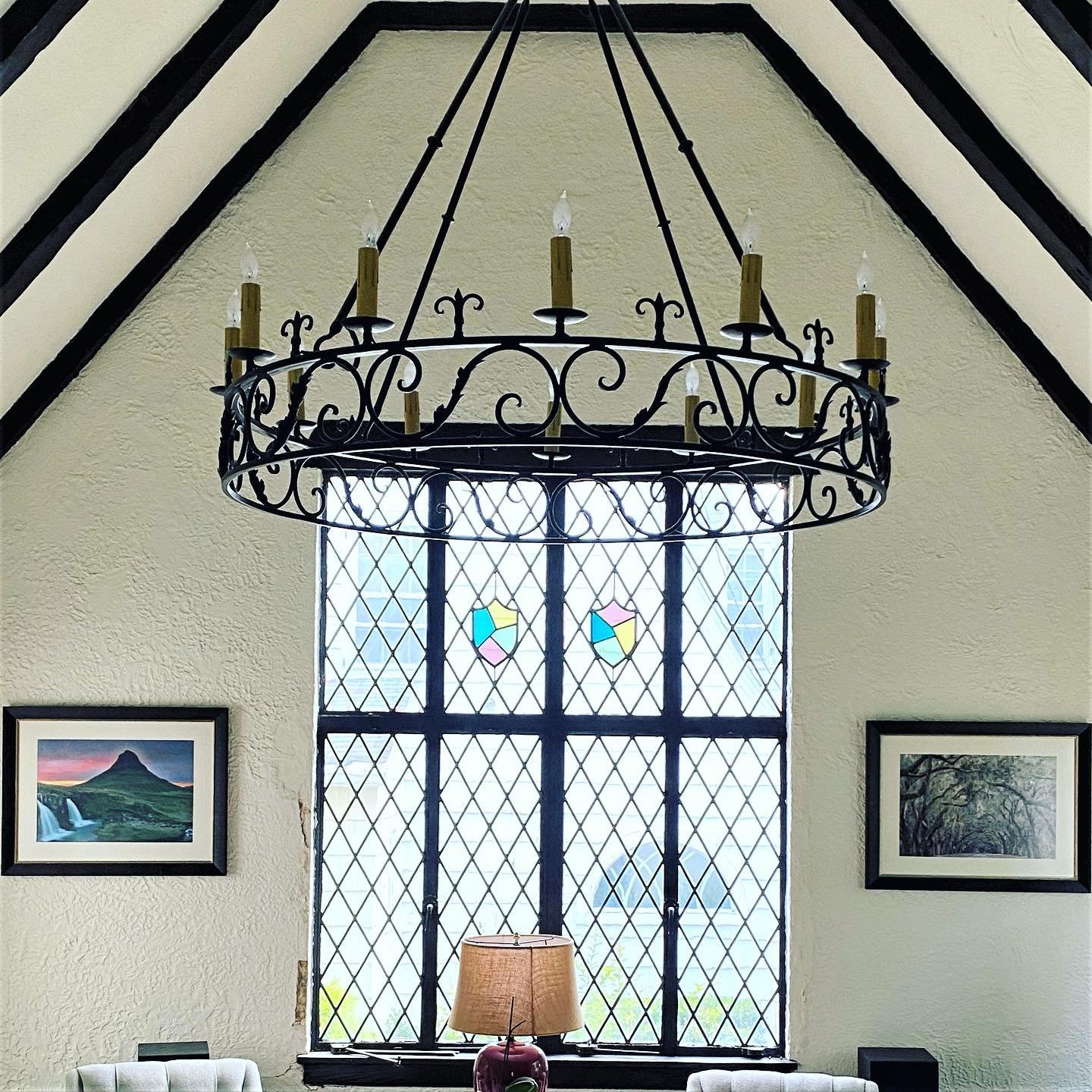
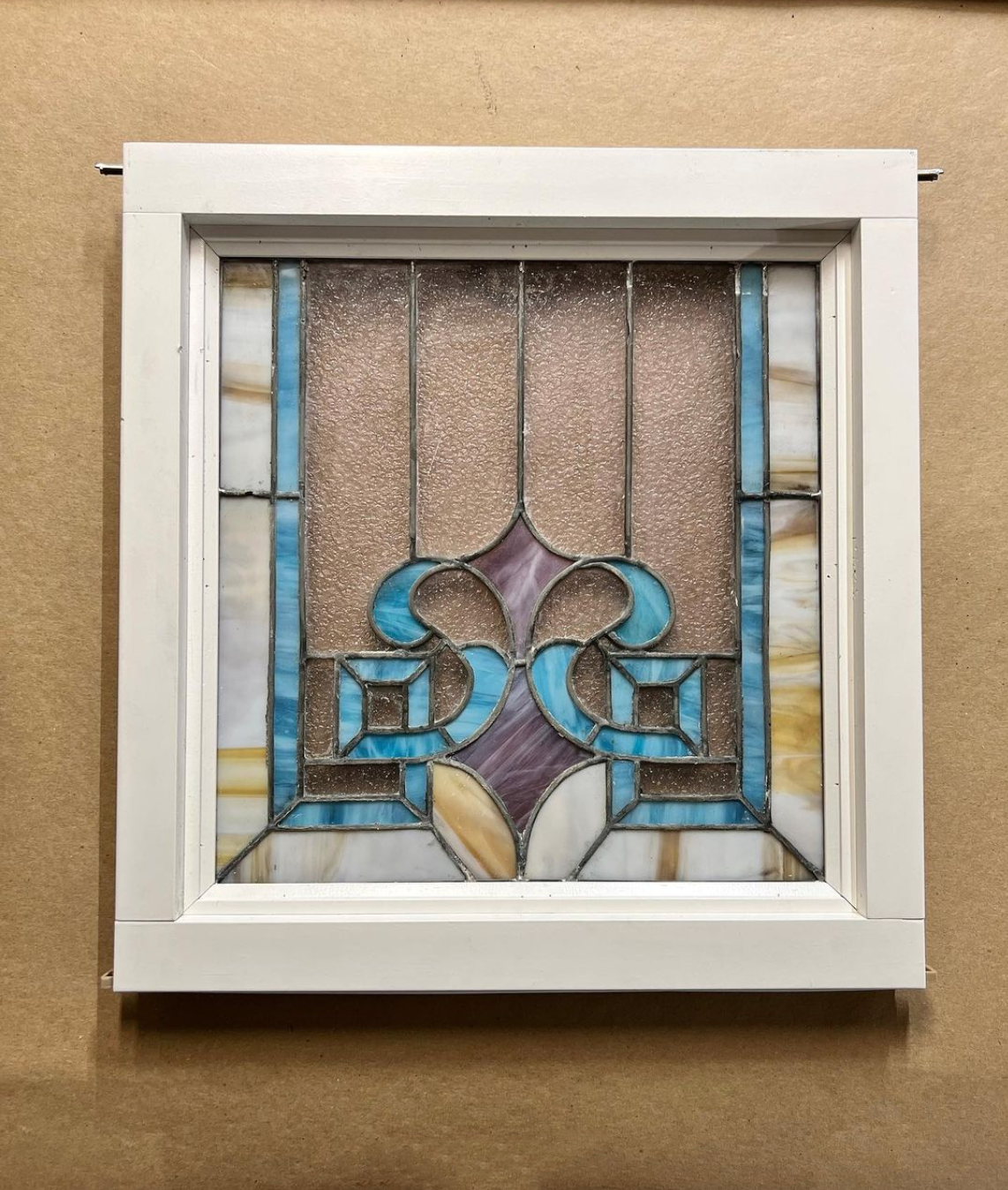
Some of NYC's older churches, cathedrals, and historic buildings showcase the beauty of stained glass windows. These intricate artworks add a religious or artistic element to the architecture, telling stories through vibrant colors and detailed designs. Stained glass windows are a nod to the city's rich history and cultural diversity.
Tilt and Turn Windows: Modern and Functional
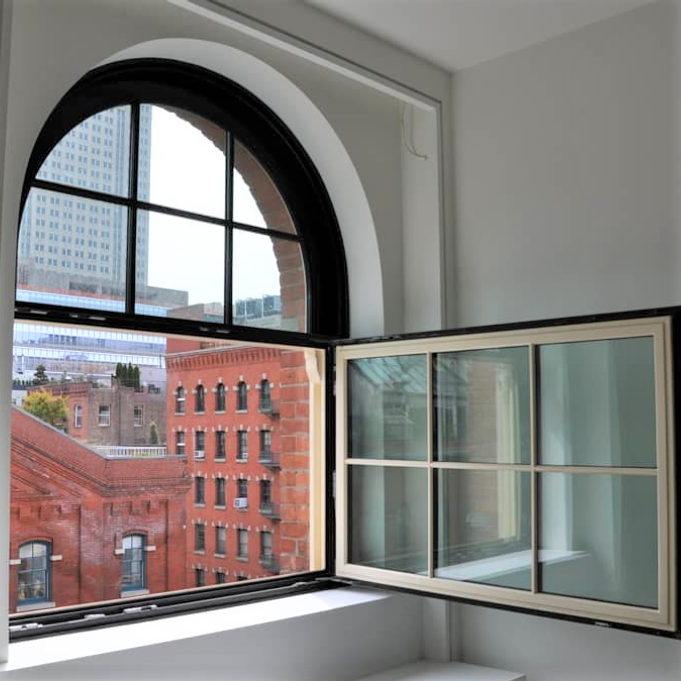
Tilt and turn windows are a versatile option increasingly seen in modern NYC buildings. These windows can be tilted for ventilation or opened fully like a casement window. Their flexibility in design and functionality makes them suitable for a variety of architectural styles.
Energy-Efficient Windows: Future in Sustainability
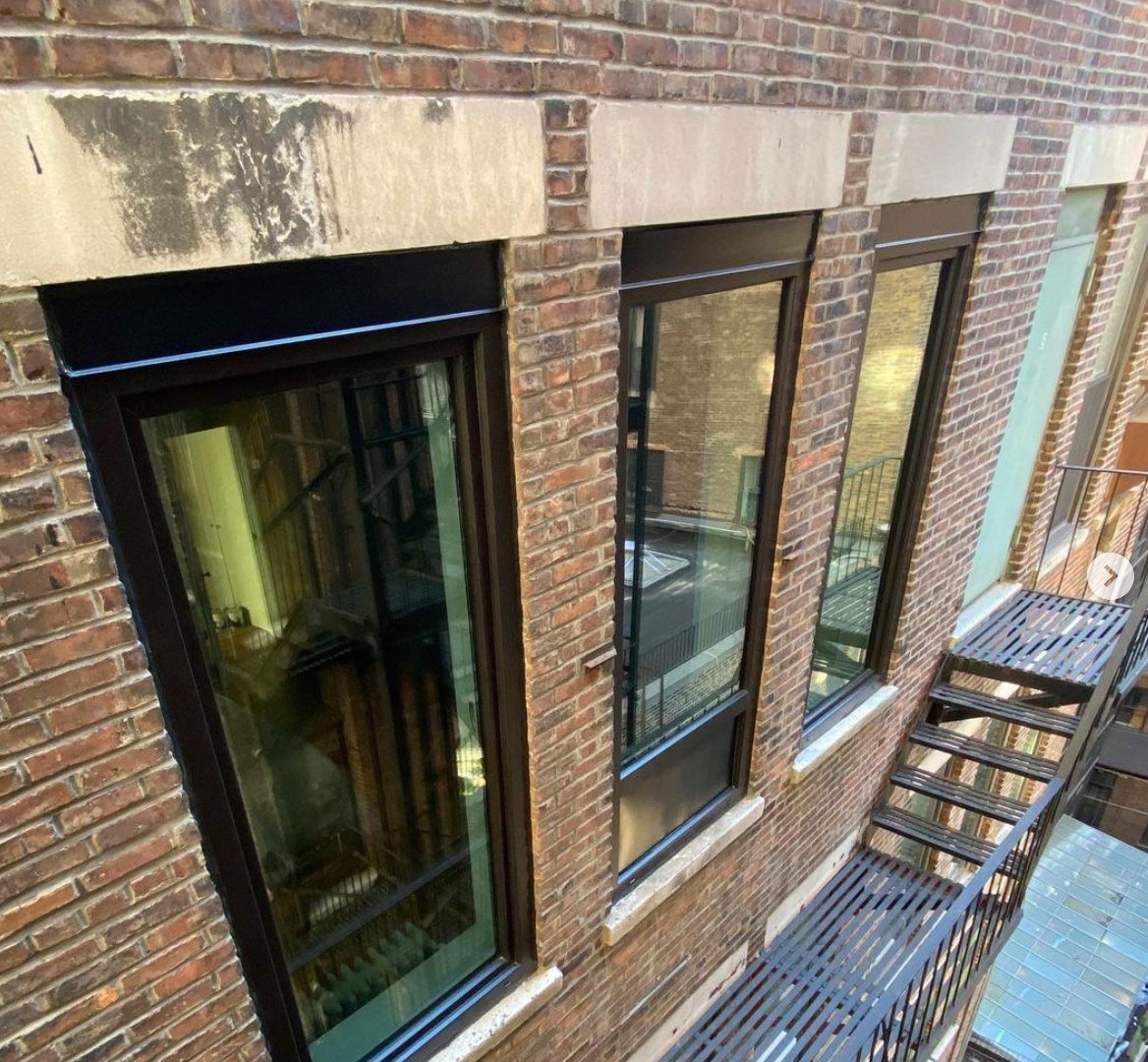
As sustainability becomes a priority, energy-efficient windows are gaining popularity in New York City. These windows are designed to reduce heat loss, improve insulation, and lower energy bills. They come in various styles and materials, aligning with the city's commitment to a greener future.
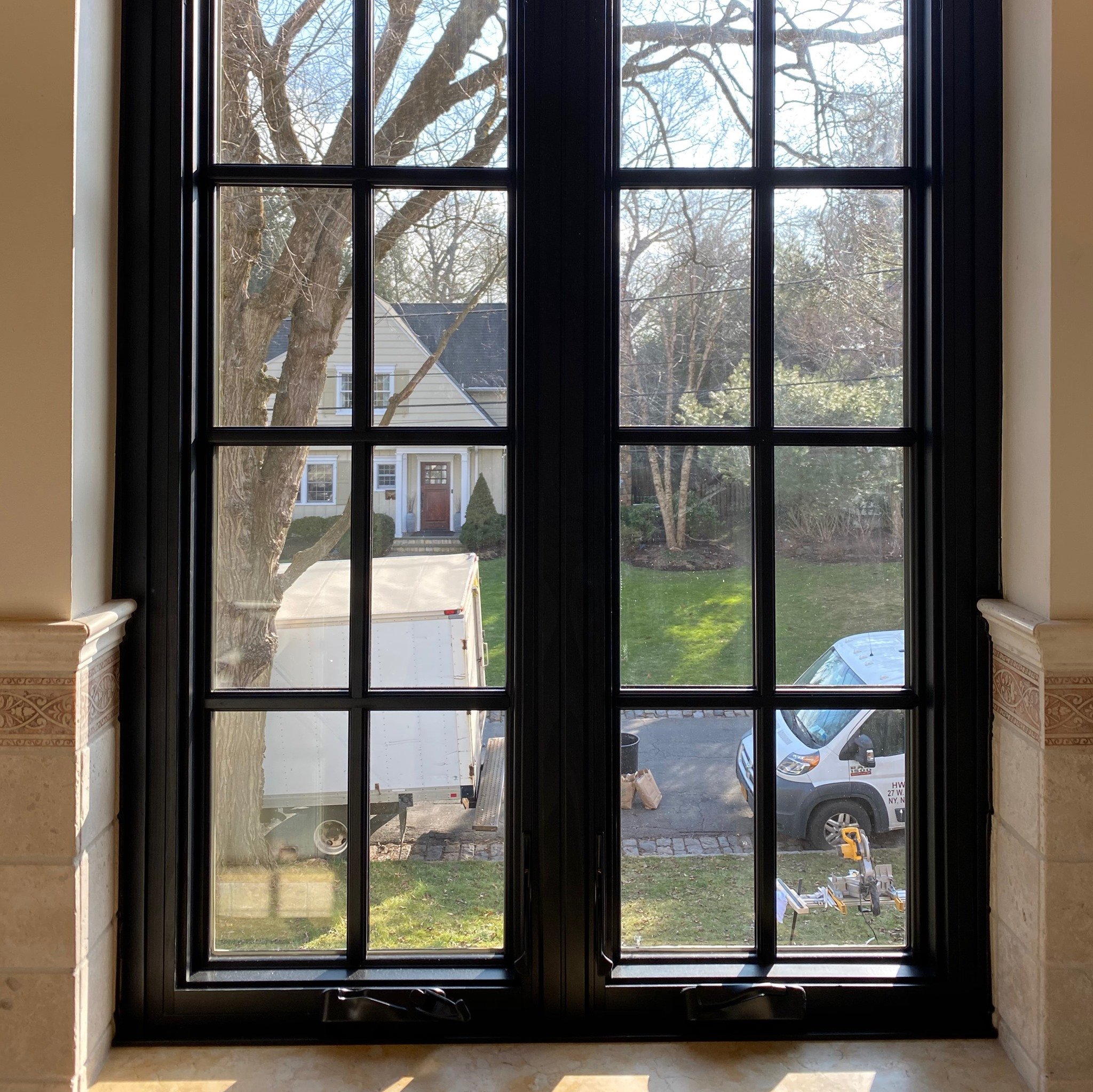
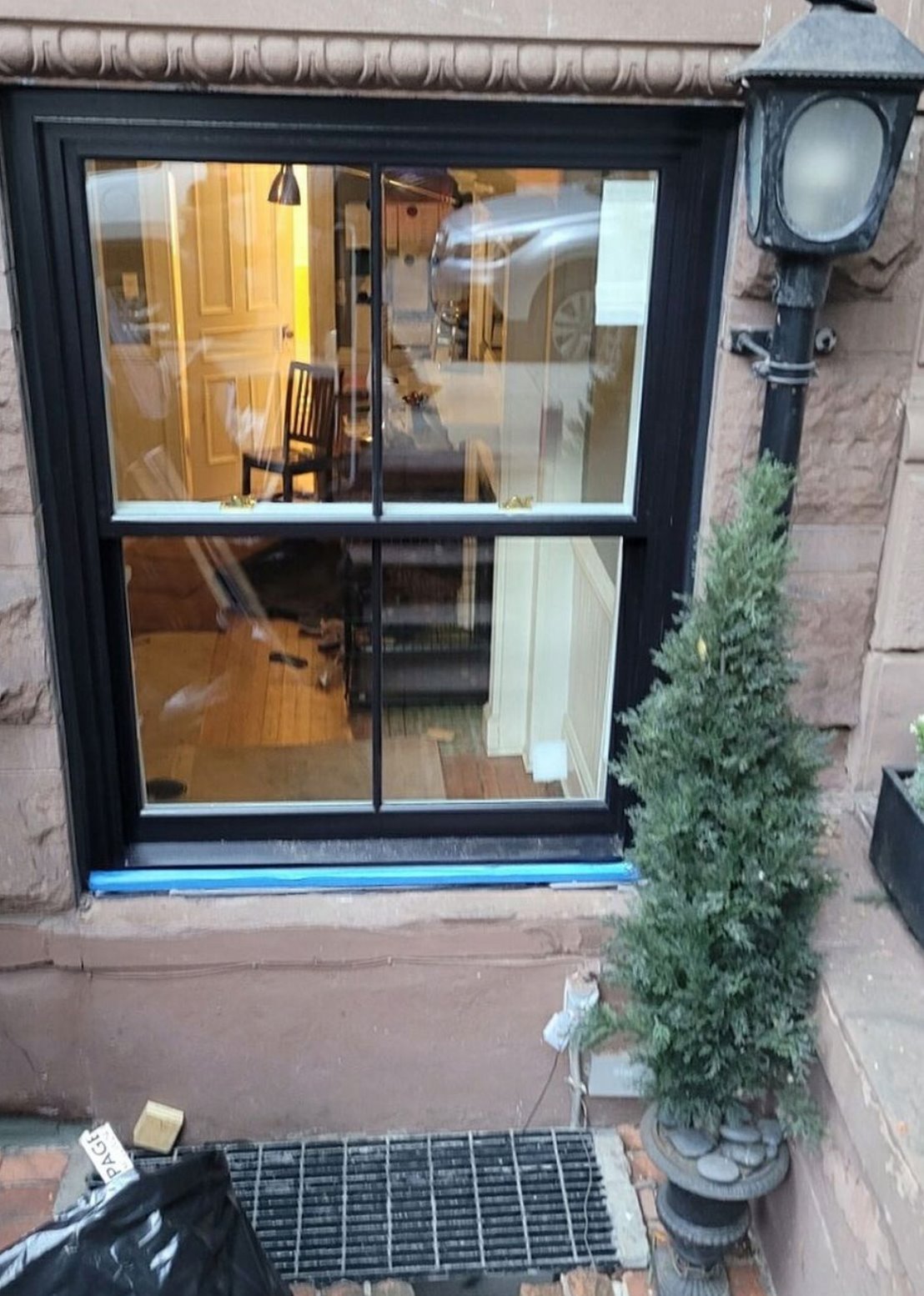
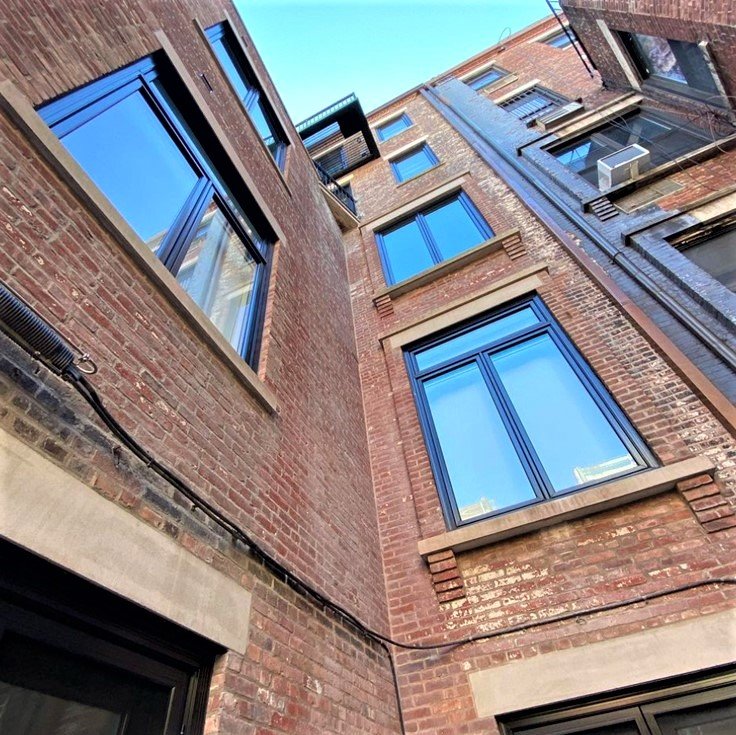
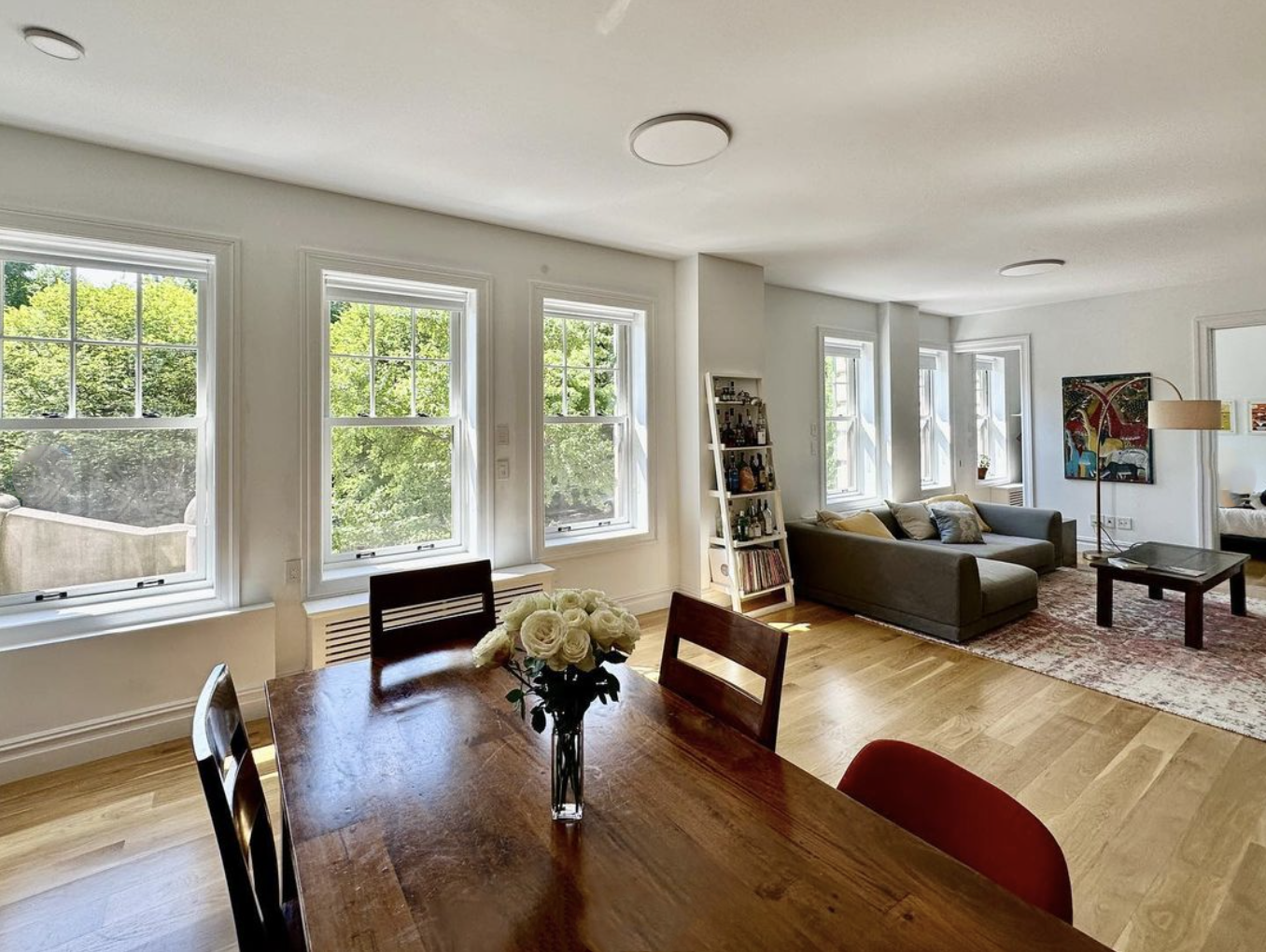
The diverse array of windows in New York City's buildings reflects the city's architectural evolution over the years. From classic double-hung windows to modern, energy-efficient designs, each style contributes to the unique character of the cityscape. Whether you're strolling through historic neighborhoods or gazing at the skyline from a high-rise, the windows of NYC tell a captivating story of innovation, aesthetics, and functionality.
ARE YOU AN AUDIO LISTENER?


A Window into the Past | Upper Central Park West
Nestled along West 95th Street in New York City's Upper Central Park West Westside Landmarks Historic District stand four enchanting Row Houses that have withstood the test of time.
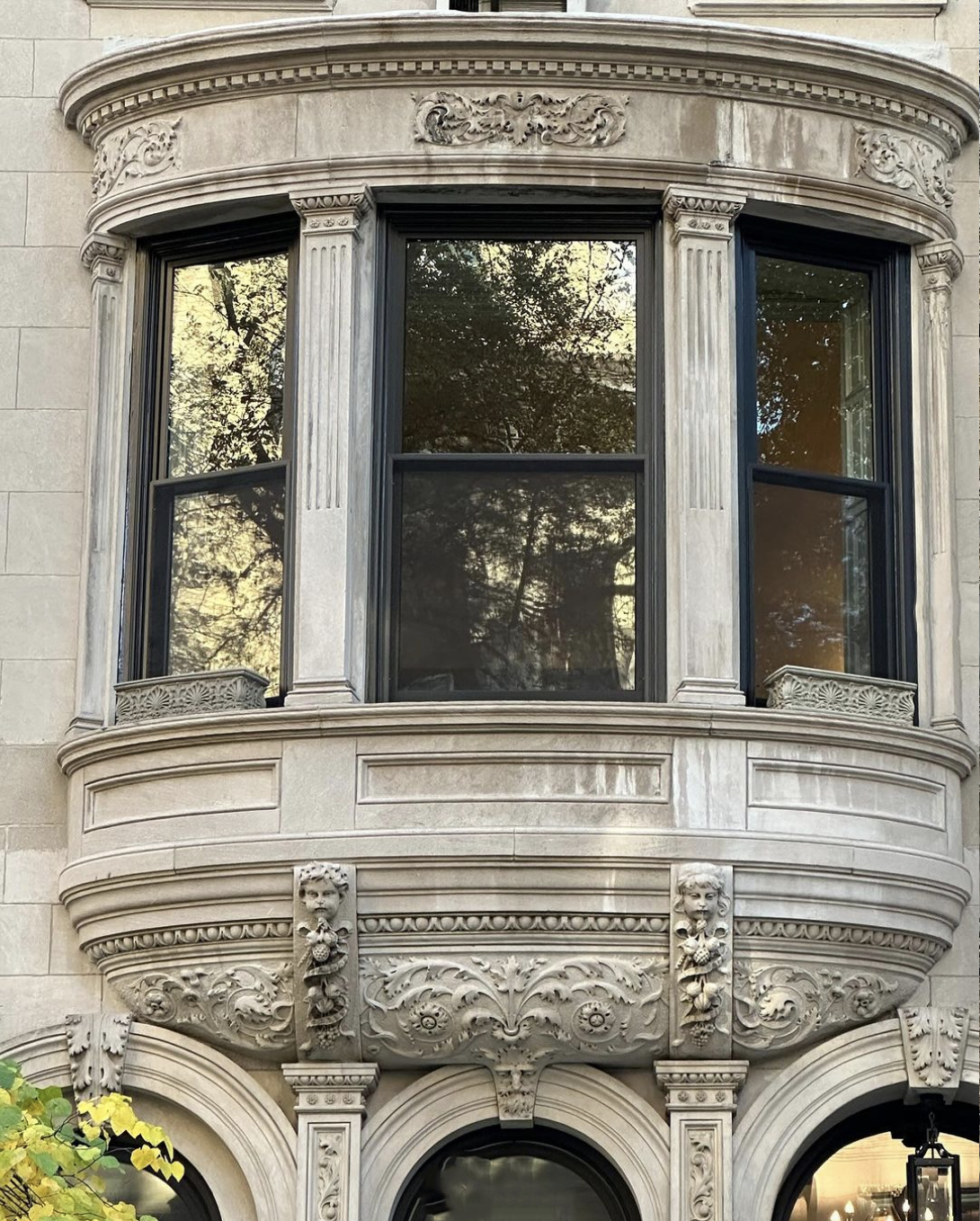
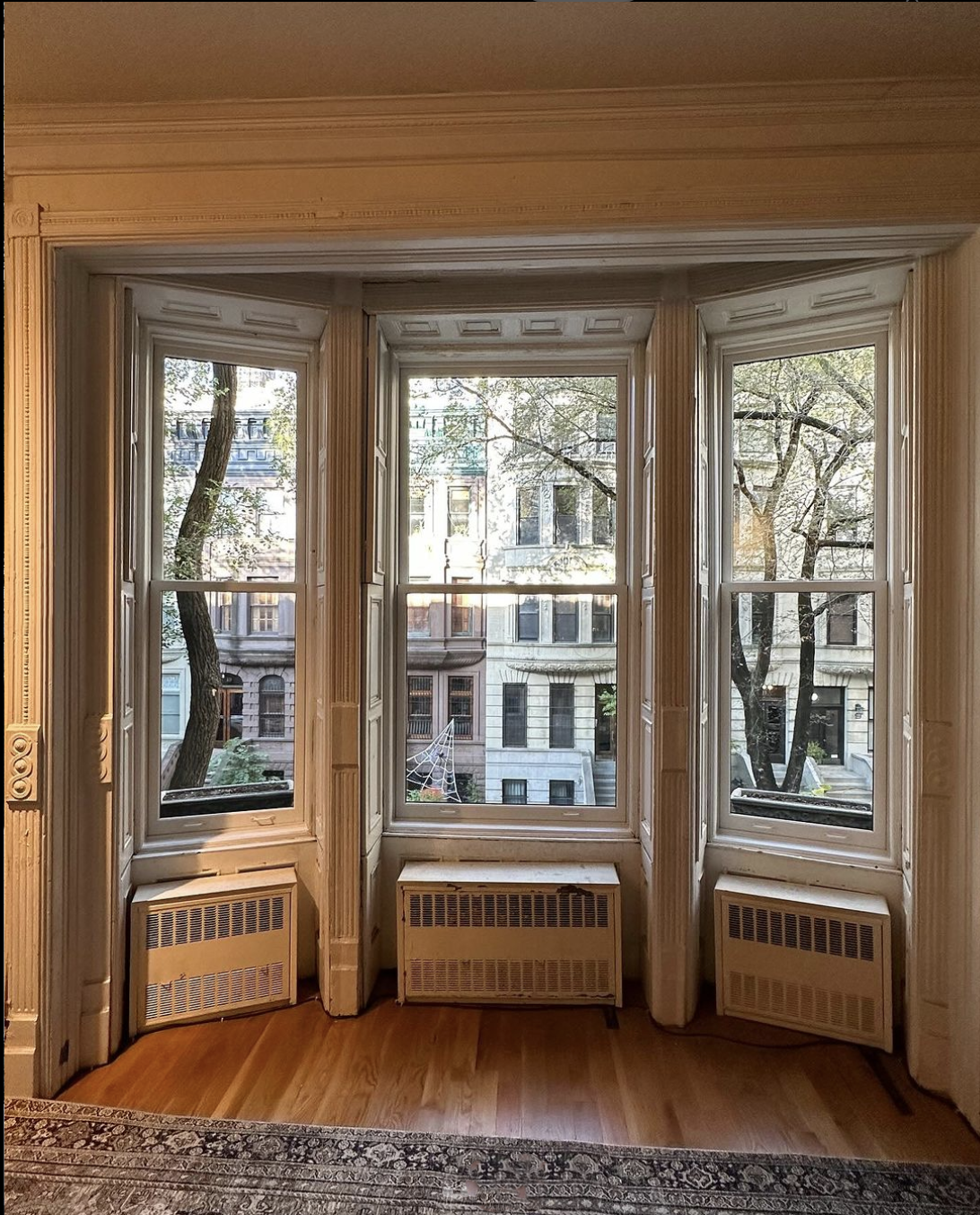
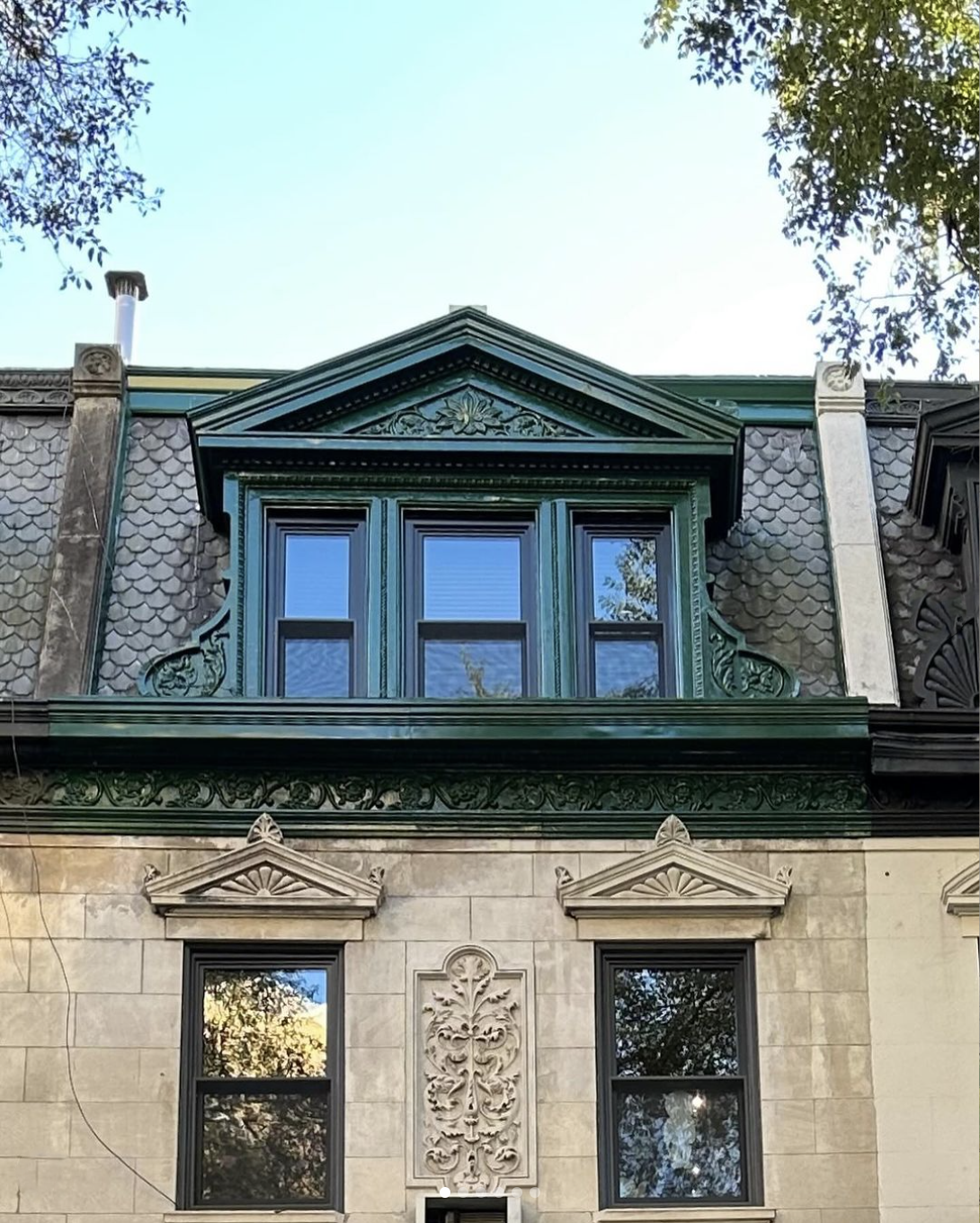
Nestled along West 95th Street in New York City's Upper Central Park West Westside Landmarks Historic District stand four enchanting Row Houses that have withstood the test of time. Built between 1888-1889 in the Baux-Arts Style by the visionary developer George Holiday, these Carved Limestone houses with Mansard Slate Roofs are a testament to the city's rich architectural heritage. Recently, we had the privilege of completing the Marvin Ultimate Custom Painted Double Hung G2 Window Replacement for one of these lovingly restored Town Houses, unlocking a window into the past.
A Glimpse into History
George Holiday, a man of many talents, acted as his own architect, designer, and builder for the four high-end residences at 10 through 16 West 95th Street. The Neoclassical homes were meticulously constructed in an A-B-B-A configuration, showcasing Holiday's commitment to architectural finesse and attention to detail.
The mirror-image center houses, Numbers 12 and 14, boast arched openings with Variation Six Style at the parlor level, a bowed bay at the second, and pedimented windows at the third. The fourth floor is adorned with a slate-shingled mansard featuring windows grouped within a single dormer, adding a touch of elegance and sophistication to these historic gems. Originally, these architectural marvels were designed with One-over-One Double-Hung/Wood Windows, a hallmark of the late 19th-century construction.
Preserving the Legacy
In our recent project, we undertook the task of replacing the aging windows with Marvin Ultimate Custom Painted Double Hung G2 Windows. This meticulous process aimed not only to enhance the energy efficiency and functionality of the homes but also to preserve the historical charm embedded in every detail.
These windows seamlessly blend modern technology with timeless design, ensuring that the new windows complement the unique character of the Row Houses. The custom paint finish adds a touch of authenticity, mirroring the aesthetic nuances of the original windows while providing the benefits of advanced materials and construction techniques.
The completion of the West 95th Street project stands as a tribute to the architectural legacy of George Holiday and the bygone era of New York City's Upper Central Park West Westside Landmarks Historic District. It is a celebration of the past, present, and future, demonstrating how thoughtful preservation and modern innovations can coexist harmoniously. As we gaze through these newly installed windows, we not only witness the beauty of the moment but also honor the enduring spirit of a bygone era.
Preserving Timeless Elegance | A Restoration Journey on East 70th Street
In the heart of Manhattan, amidst the hustle and bustle, stands a pair of architectural gems that have witnessed the transformation of time and culture. Our latest endeavor has been nothing short of a meticulous dance with history, as we conclude the restoration of two remarkable structures on East 70th Street, just off 5th Avenue.

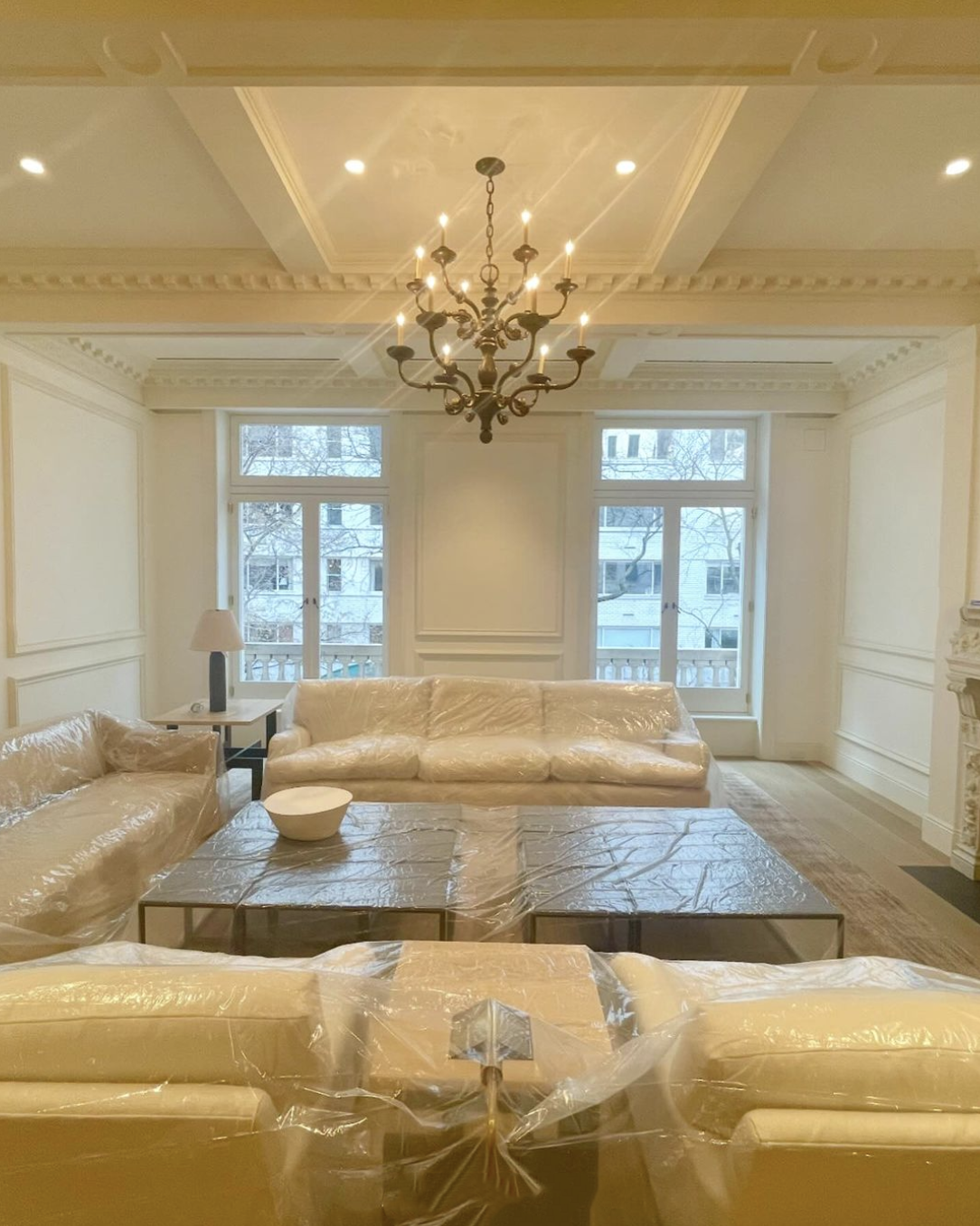
In the heart of Manhattan, amidst the hustle and bustle, stands a pair of architectural gems that have witnessed the transformation of time and culture. Our latest endeavor has been nothing short of a meticulous dance with history, as we conclude the restoration of two remarkable structures on East 70th Street, just off 5th Avenue. What was once a duo of side-by-side mansions in the early 20th century evolved into split-level Town House Condo Apartments in the 1980s. Join us on a journey through time as we delve into the rich history and the intricate restoration process that has revived these French Classical marvels with Italian Renaissance elements.
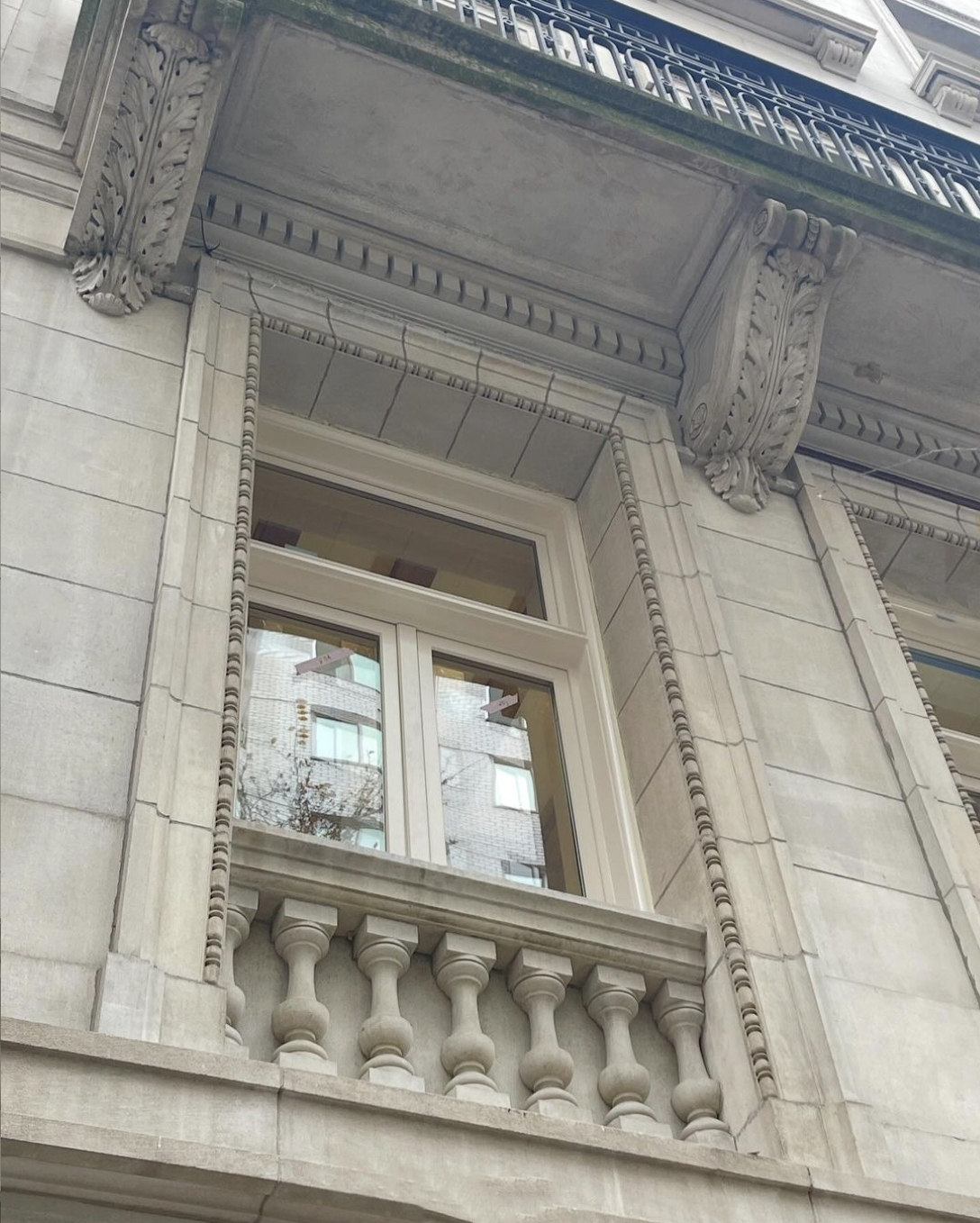
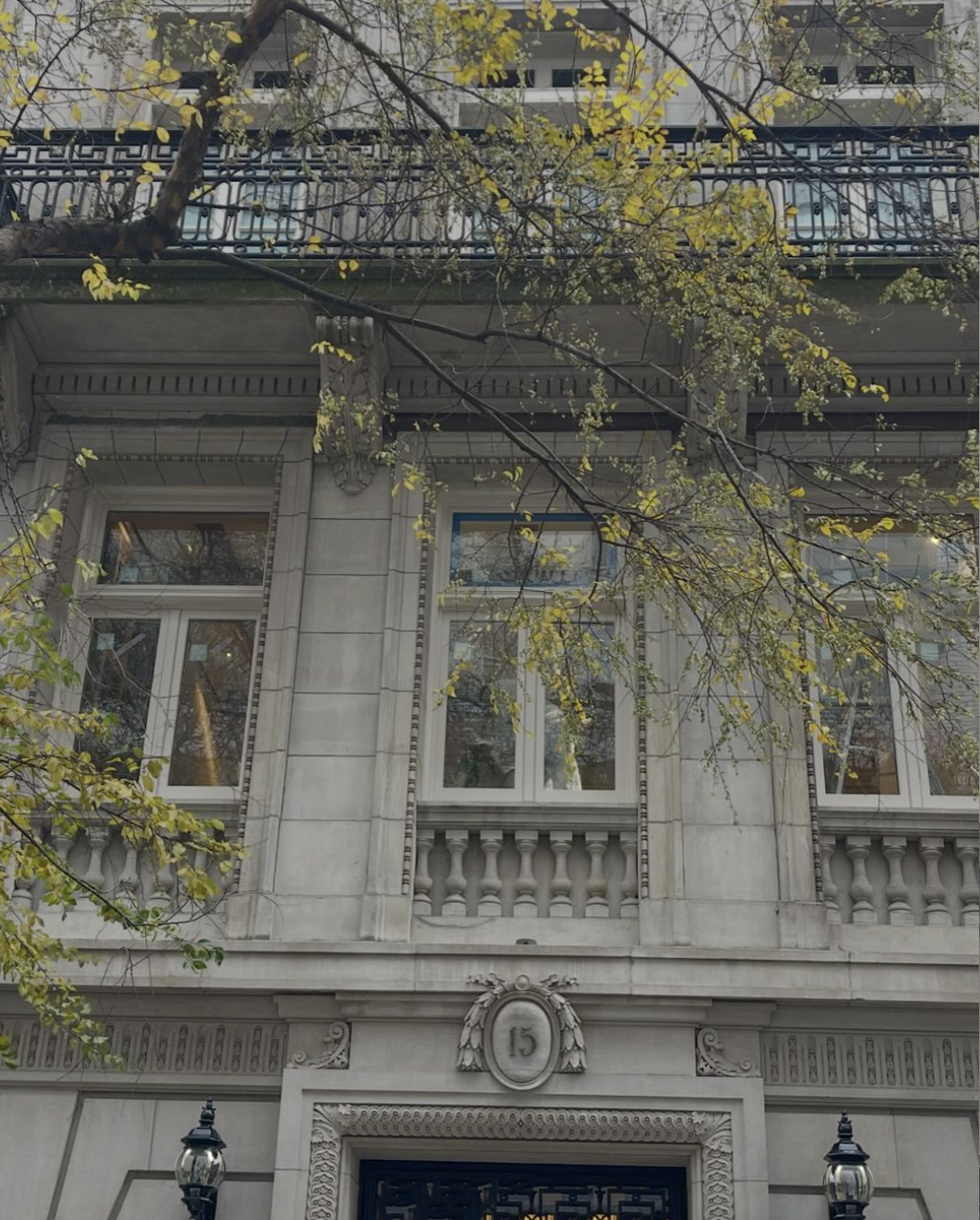
Constructed in 1910 by Charles I. Berg, 15 East 70th Street stands as a testament to the architectural brilliance of its time. A year earlier, in 1909-1910, John H. Duncan crafted the neighboring 11 East 70th Street for an heiress to the Lorillard tobacco fortune. The two landmarked mansions, designed in the French Classical style, boast Italian Renaissance elements and share a distinguished proximity to the Frick Museum. This historic city block was once home to the original sites of the New York Public Library, adding an extra layer of significance to the locale.
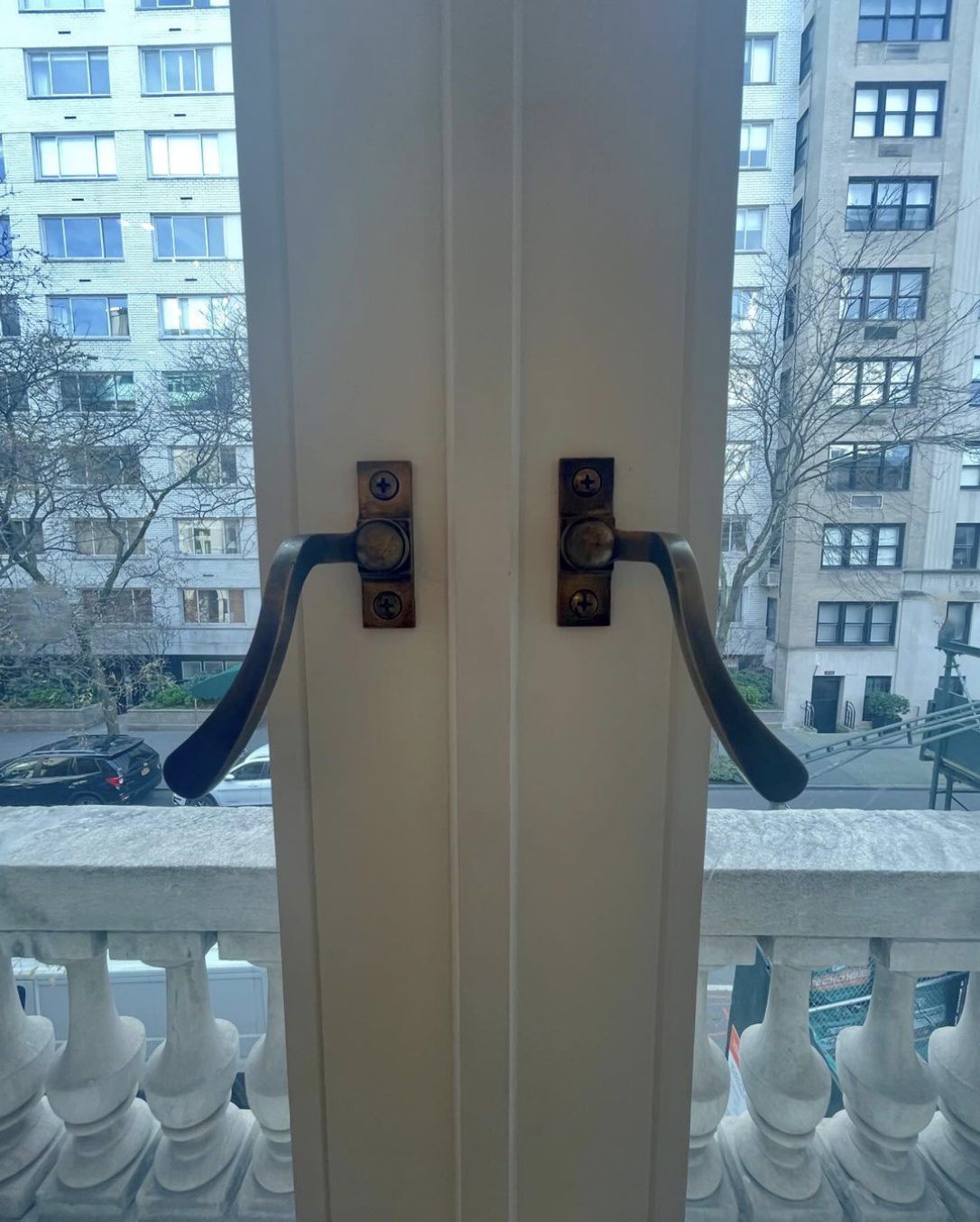
Our restoration journey focused on preserving the essence of these architectural marvels while addressing the wear and tear that had accumulated over the decades. One of the key challenges was the deteriorating French Casement Front Facade, which we replaced with period-perfect Mahogany Parrett Windows. The transformation extended to the Clad Double-hung Rear and Side Facades Windows, all of which now seamlessly blend with the original design, preserving the timeless elegance.
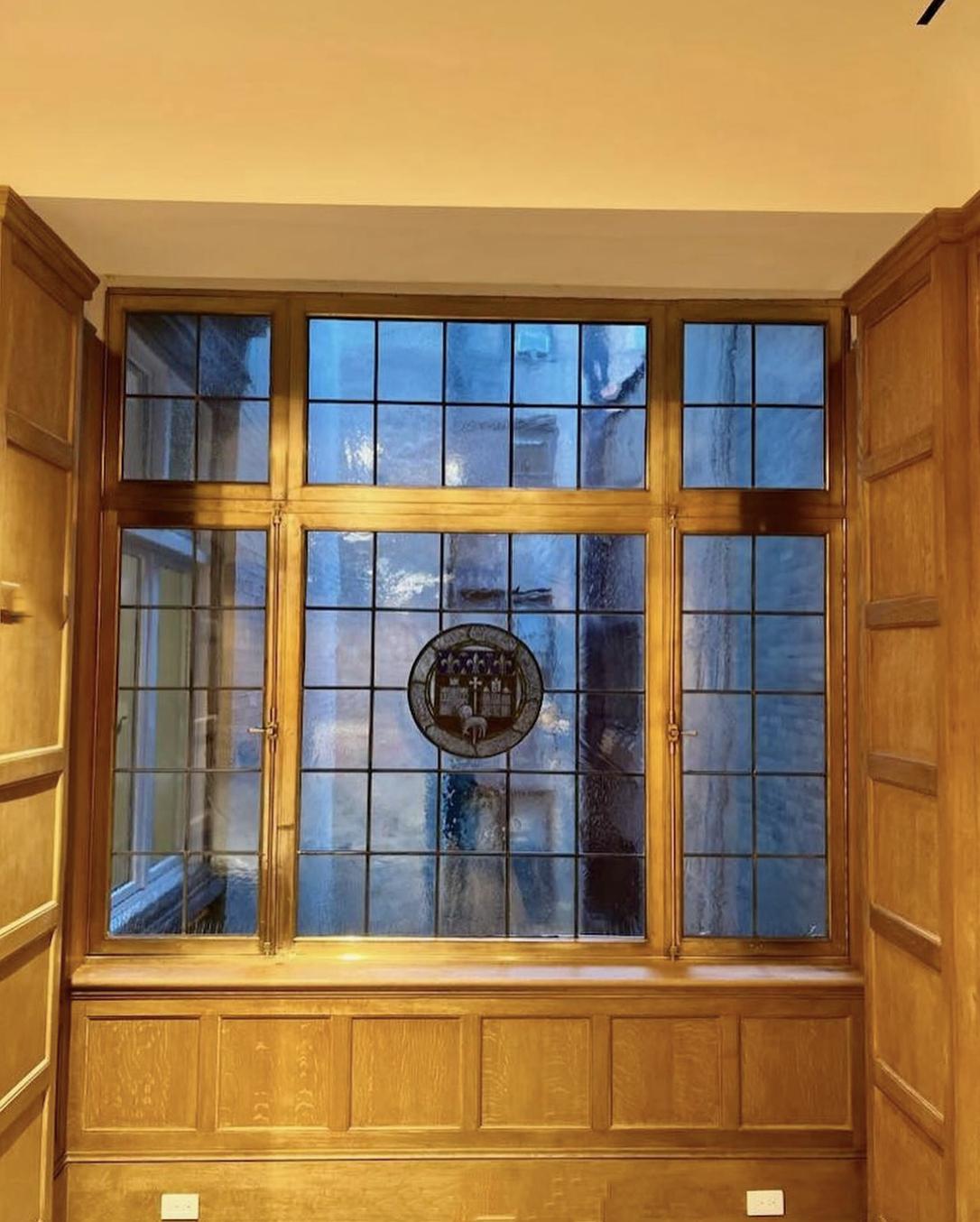
The pièce maîtresse of this restoration project is undoubtedly the Solid Brass Leaded Art Glass Window. Painstakingly restored by H&M Historical Conservation, the window now proudly displays the crest of the original owner, serving as a visual link to the past. This breathtaking piece is set against fully restored original quarter-sawn oak paneled walls, completing the ensemble of historical grandeur.
As we wrap up this phase of work on East 70th Street, we reflect on the significance of preserving architectural treasures that contribute to the rich tapestry of New York City's history. The meticulous restoration of these mansions not only pays homage to the visionaries who crafted them but also ensures that future generations can marvel at their timeless elegance. In the midst of modernity, these structures stand as a reminder of the city's vibrant past, telling a story that transcends time and continues to captivate the hearts of all who encounter them.

Delbarton | Interior Doors in New York City's Historical Buildings
New York City is a treasure trove of architectural marvels and historical landmarks, each with a unique story to tell. Nestled within the rich tapestry of the city's history are its historical buildings, many of which boast intricate interior designs that include iconic interior doors.
New York City is a treasure trove of architectural marvels and historical landmarks, each with a unique story to tell. Nestled within the rich tapestry of the city's history are its historical buildings, many of which boast intricate interior designs that include iconic interior doors. These doors not only serve as functional elements but also as architectural statements that reflect the era and style in which they were crafted.
A Glimpse into the Past
New York City's historical buildings, dating back to various periods, often feature interior doors that are a blend of artistry and functionality. From the brownstones of the 19th century to the Beaux-Arts buildings of the early 20th century, each era brought forth its own unique door styles and designs.
Brownstone Era (1800s)
During the 19th century, brownstones flourished in New York City, showcasing impressive architectural elements, including intricate wooden interior doors. These doors often featured ornate carvings and panels, reflecting the opulence of the era.
Beaux-Arts Period (Late 19th to Early 20th Century)
The Beaux-Arts architectural style, characterized by grandiosity and classical elements, influenced interior door designs in buildings like the New York Public Library and the Grand Central Terminal. Doors during this period were often adorned with decorative motifs and elaborate moldings, contributing to the overall elegance of the buildings.
The Craftsmanship of Interior Doors
The craftsmanship involved in creating interior doors for historical buildings was nothing short of exceptional. Skilled artisans meticulously handcrafted each door, paying close attention to details such as wood selection, carving, molding, and finishing. These doors were often made from high-quality hardwoods like oak, mahogany, or walnut to ensure durability and a luxurious finish.
Preserving Heritage through Restoration
Preserving the historical integrity of interior doors is a significant endeavor for conservationists and historical building enthusiasts alike. Restoration specialists work tirelessly to maintain and restore these doors, ensuring they retain their original charm while adapting to modern-day requirements.
Delbarton School
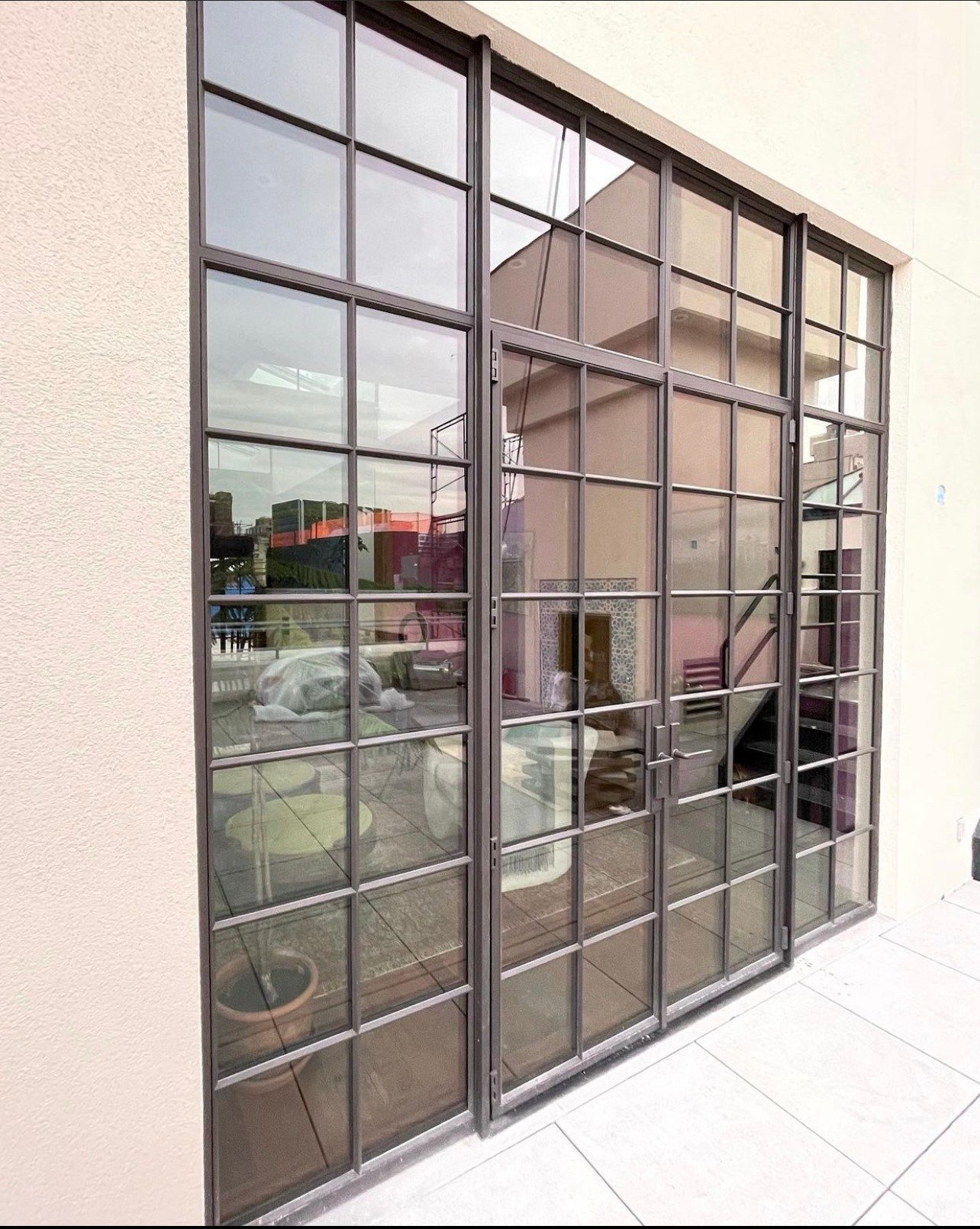
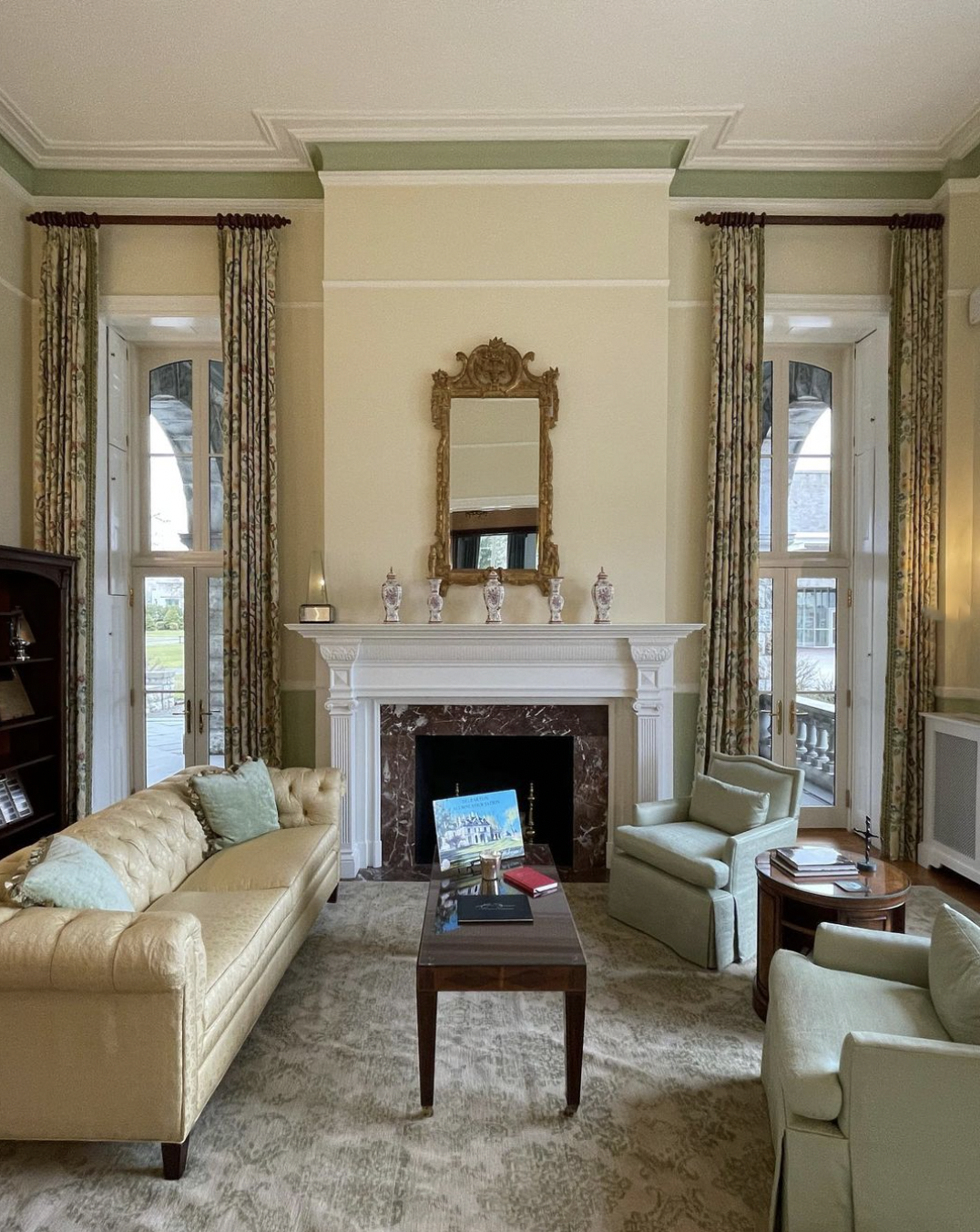
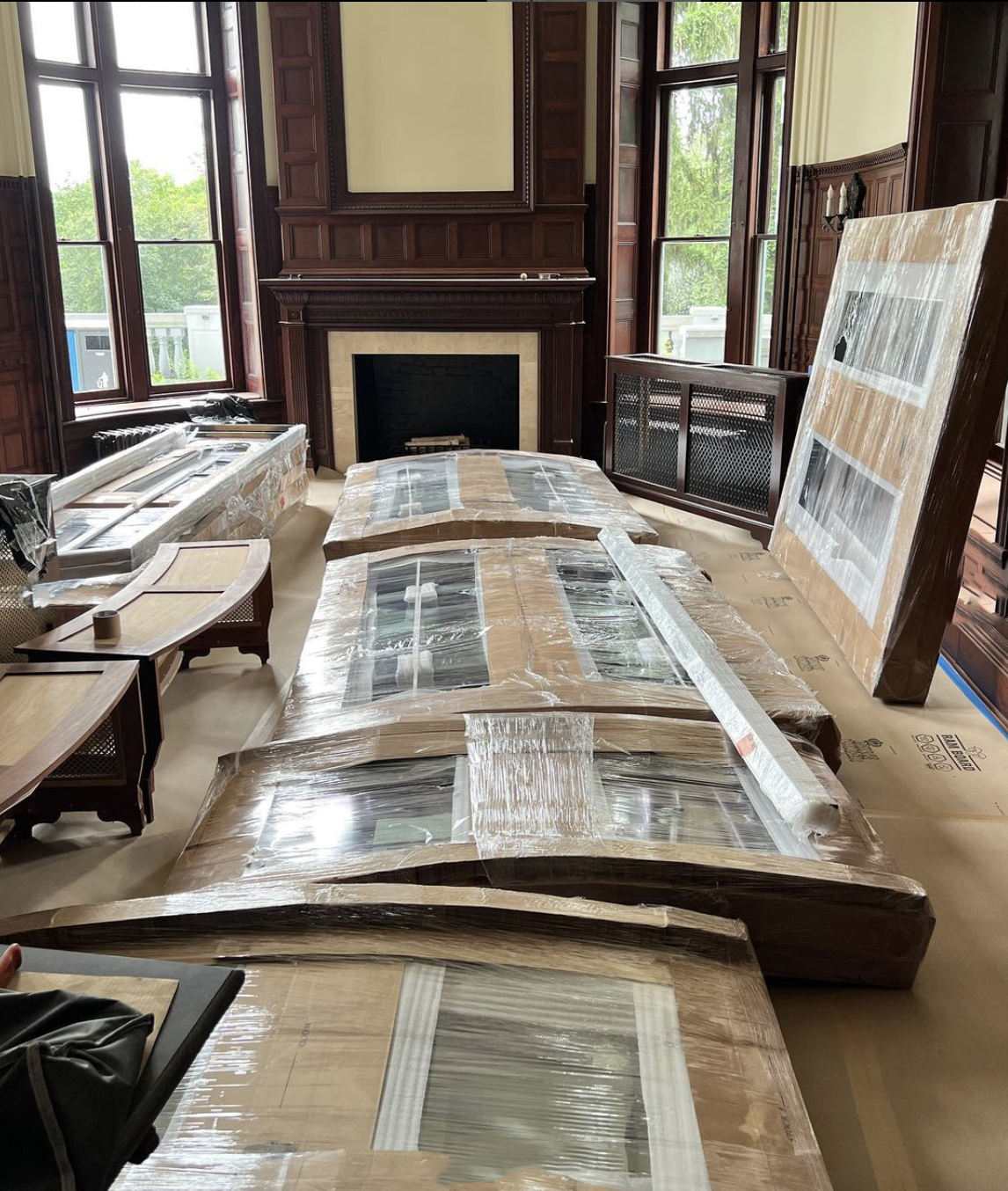
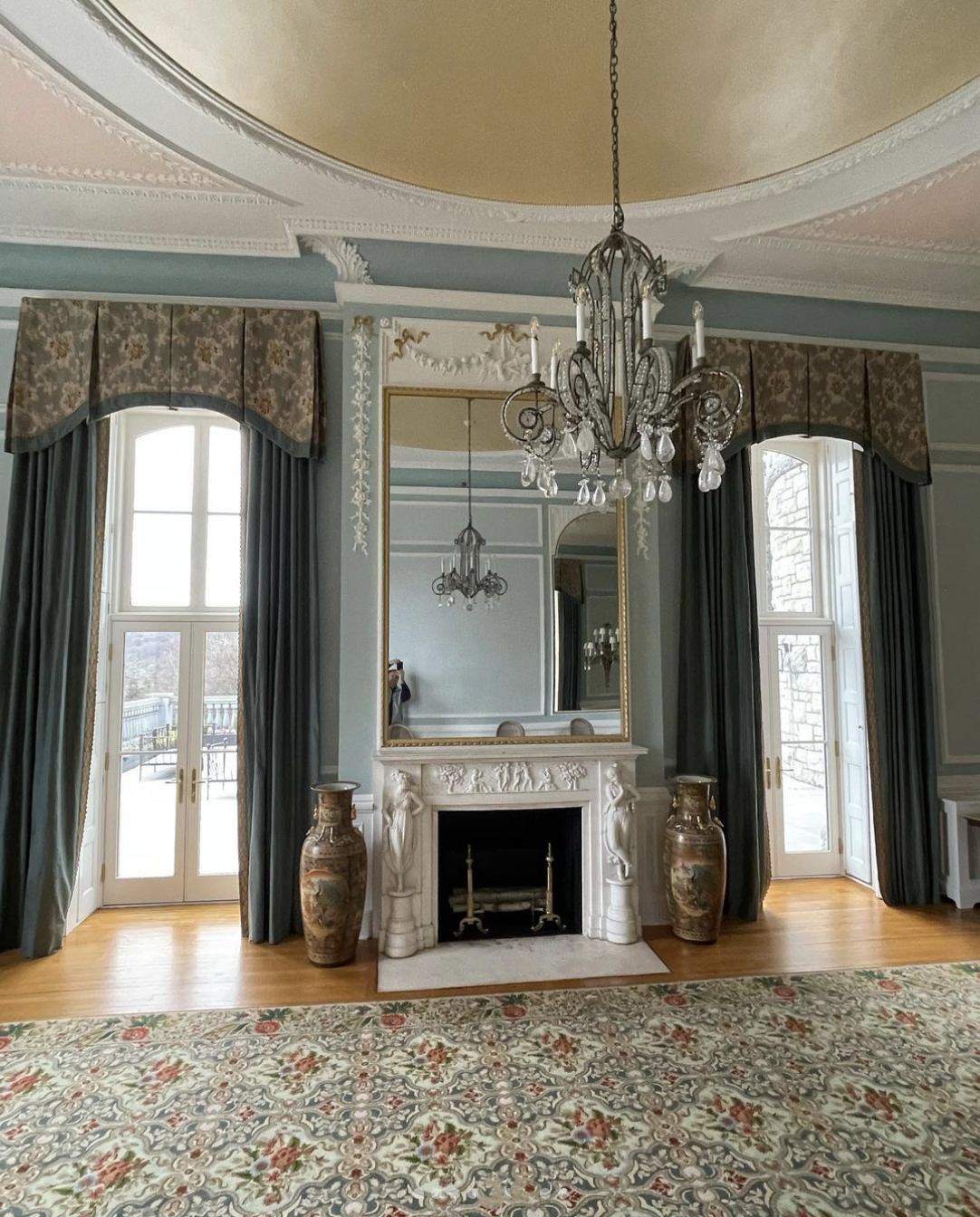
Delbarton School is an example of meticulous preservation and enhancement of Interior Doors in NYC. Proper window treatments, decorations, and architectural features contribute to the grandeur of this historical building. The ongoing renovation and restoration project at Old Main involve a careful study of the original elements, utilizing a combination of newly fabricated and restored windows, doors, shutters, interior casing, and hardware. Notably, the window replacement showcases historical reproduction and restoration, seamlessly blending the old and the new. Solid Mahogany and Oak Entry Doors have been installed, preserving 90% of the original interiors. Additionally, beautiful Cottage style French Doors with Arched Transoms have been added, allowing for operability and enhancing the overall aesthetic. The dedication to preserving the architectural heritage of Delbarton School's Old Main is a source of pride and an essential step in honoring the past while embracing the future.
A Balancing Act: Preservation and Modern Functionality
Preserving historical integrity while meeting modern functionality needs is a delicate balance. Often, historical buildings undergo adaptive reuse, where interior doors are retained or replicated to honor the building's past while accommodating contemporary design preferences and building codes.
Interior doors in New York City's historical buildings are not merely functional elements but also vital components of the city's rich architectural heritage. Preserving these doors ensures that future generations can appreciate the craftsmanship and artistry of the past while immersing themselves in the history and stories that these doors embody. As we continue to celebrate and safeguard our cultural legacy, interior doors stand as silent witnesses to the passage of time and the evolving tapestry of New York City's history.