

News
OUR WORK IN ACTION

HWNY Featured in Architectural Digest | Amanda Seyfried’s NYC Apartment
Historical Windows of New York provided the custom windows for Amanda Seyfried’s Upper East Side home, recently featured in Architectural Digest.
Historical Windows of New York provided the custom windows for Amanda Seyfried’s Upper East Side home, recently featured in Architectural Digest. The project preserves the building’s historic character while flooding each room with natural light. Blending farmhouse-inspired charm with modern elegance, the residence offers a warm, inviting retreat in the heart of the city.
Read the full story here.
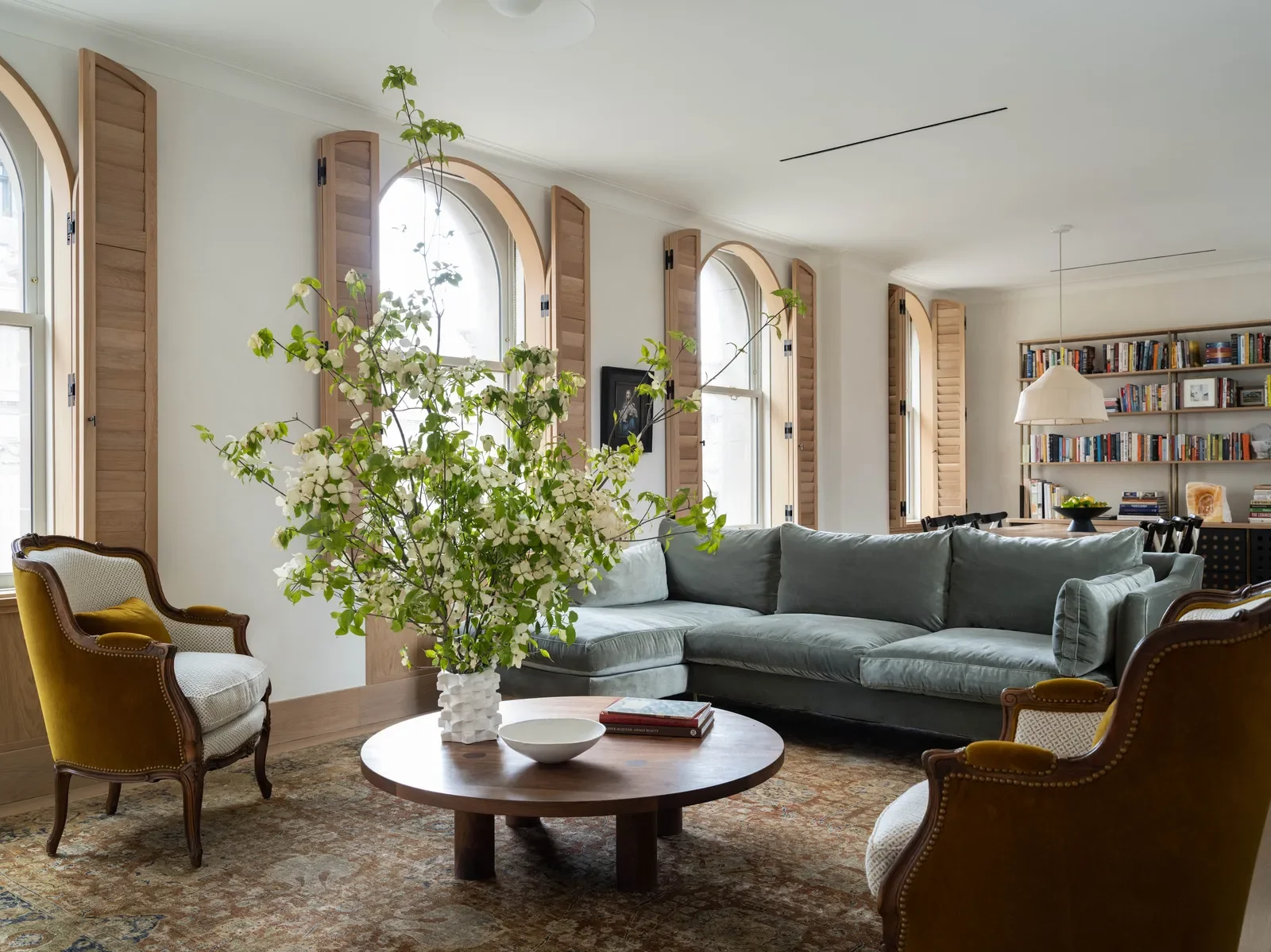
Photography by Cassie Floto Warner
Photography by Cassie Floto Warner
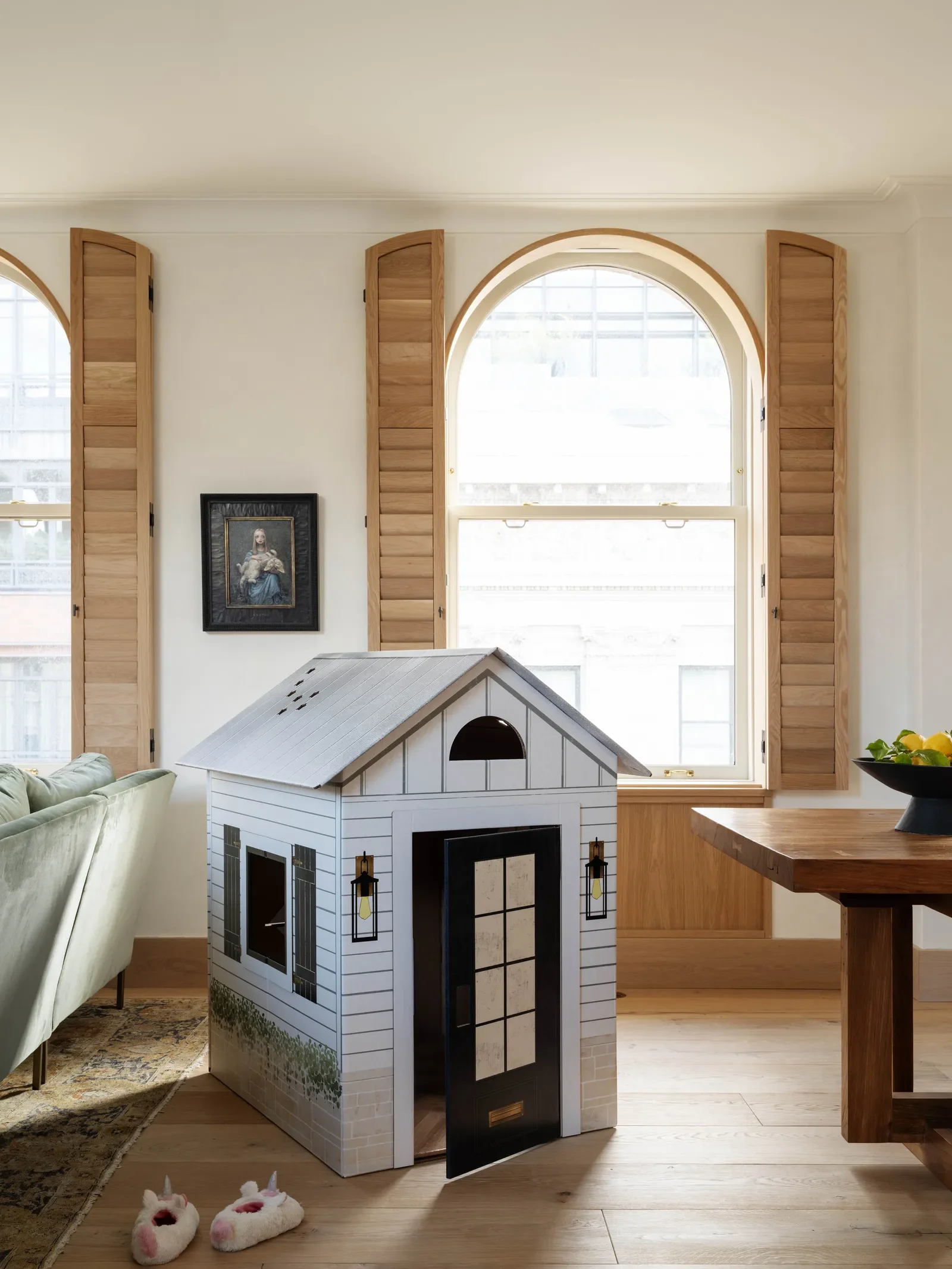
Photography by Cassie Floto Warner

Landmark Windows Meet High Performance
When most people hear Landmark Windows, they think historic, and historic doesn’t always sound like high performance. We often get questions about whether landmark-approved windows can truly meet today’s standards.
Common Questions for High Performance Windows
When most people hear Landmark Windows, they think historic, and historic doesn’t always sound like high performance. We often get questions about whether landmark-approved windows can truly meet today’s standards. To clear up some of the most common misconceptions, our team put together answers to the questions we hear most often.
Are Landmark Windows Still ENERGY STAR® Certified?
Yes. Many people are surprised to learn that Landmark Windows can be built to meet ENERGY STAR® certification. By using modern glazing, thermal breaks, and low-E coatings, they offer insulation and efficiency comparable to today’s top-performing windows, while still keeping the historic look that’s required for landmarked buildings.
How Do Landmark Windows Compare to Newer High-Performance Brands?
It’s a fair question — newer brands market themselves heavily on performance. What we’ve seen in our projects is that Landmark Windows hold their own. They meet the same performance ratings for insulation and sound as modern competitors, but with the added benefit of being custom-built to match historic detailing. That’s something you won’t find in a mass-produced window.
At 214 West 16th Street, we installed period-correct Norwood NorClad double-hung windows approved by the Landmarks Commission. Norwood’s data for this line shows U-factors in the 0.27–0.33 range with standard double-pane builds, and even lower with higher-performance options. In practice, these windows delivered the same efficiency as modern high-end brands, with the added benefit of historic accuracy.
Do Landmark Windows Still Meet 2025 Energy Efficiency Standards?
Yes. As codes tighten, Landmark Windows can be specified with the upgrades needed, from insulated glass units to gas fills and thermally broken frames, to stay ahead of the requirements. We work with these options regularly to ensure our installations meet both NYC Landmarks Preservation Commission rules and current energy codes.
On the White Street lot-line project in TriBeCa, we installed 350 lb., 10 ft. tall Optimum fire-rated steel lot-line windows. Along with fire safety, these units were built with thermally broken frames and high-performance glazing that meet today’s code and are equipped to satisfy future standards.
Are Landmark Windows Worth It Compared to Newer Competitors?
From our perspective, absolutely. Many off-the-shelf windows may seem like a bargain, but they often won’t pass Landmarks review, which can cost you time and money. Landmark Windows give you the best of both worlds: code compliance, long-term energy savings, and historic accuracy. That combination is what makes them a smart investment in the long run.
At 17 St. Luke’s Place, we installed Parrett double-hung and French casement windows with custom brick moulds and interior casing. Parrett’s test data shows their windows achieving STC ratings into the high 30s and OITC ratings in the 30s, depending on glazing. That means you’re not only getting historically accurate units but also proven acoustic and energy performance.
What’s the Current Warranty and Performance Rating of Landmark Windows?
Manufacturers we work with provide strong warranties that cover frames, glazing, and finishes. Performance ratings meet or exceed industry standards, offering peace of mind that your investment delivers both beauty and efficiency for decades.
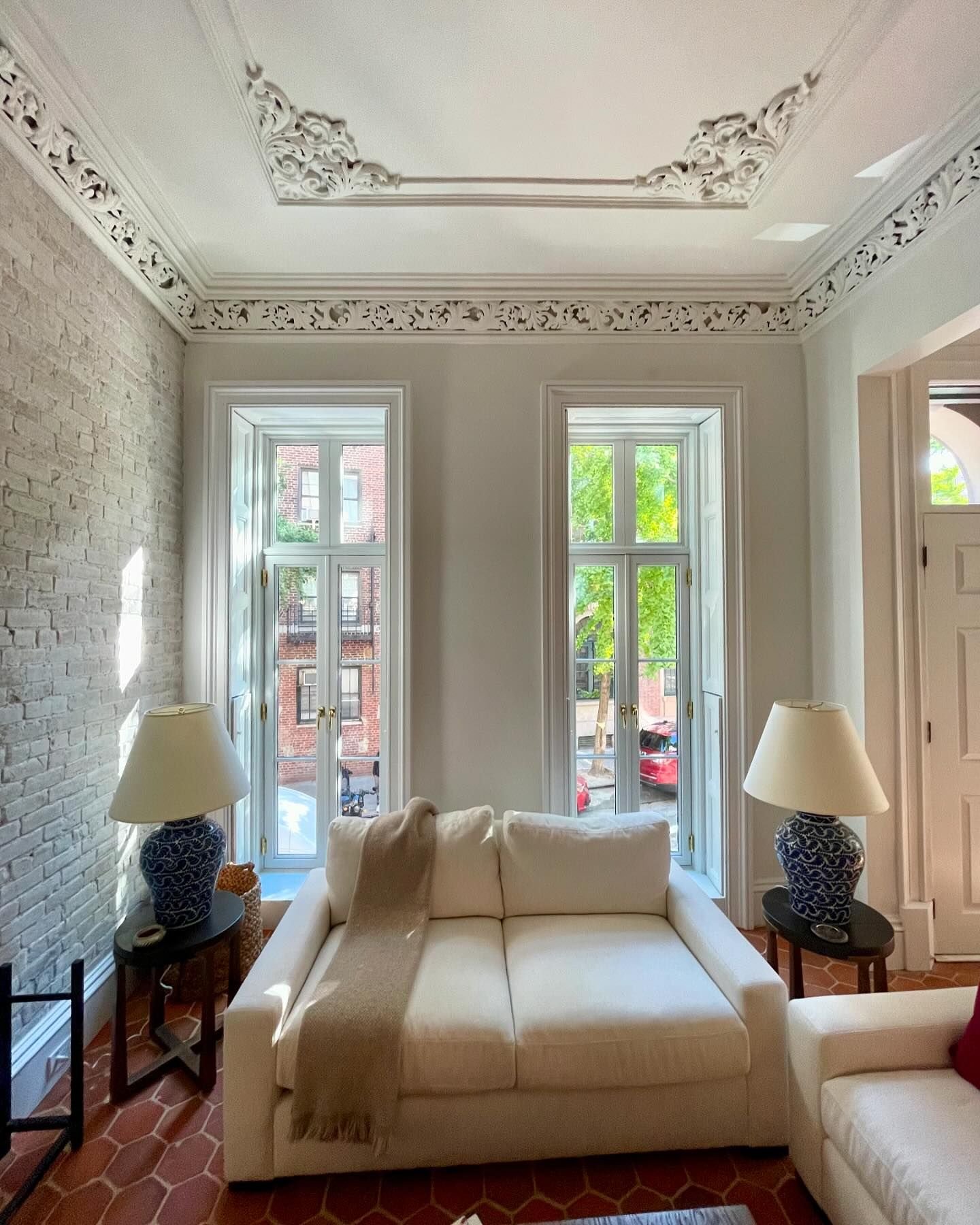
17 St. Luke’s Place | Parrett Windows Custom Double Hung & French Casement Windows (Landmark Approved)
White Street, TriBeCa | Optimum Window Single Hung Steel Fire-Rated Lot Line Windows (DB/OITC Rated, Landmark + Code Compliant)

NYC | Double Pane Weight & Chain Windows (Landmark Approved, Energy Efficient, Code Compliant)

East Village | Parrett Windows Triple Hung Weight & Chain Windows (Landmark Reproduction)
HAVE ANOTHER QUESTION?
Reach us directly to learn more.
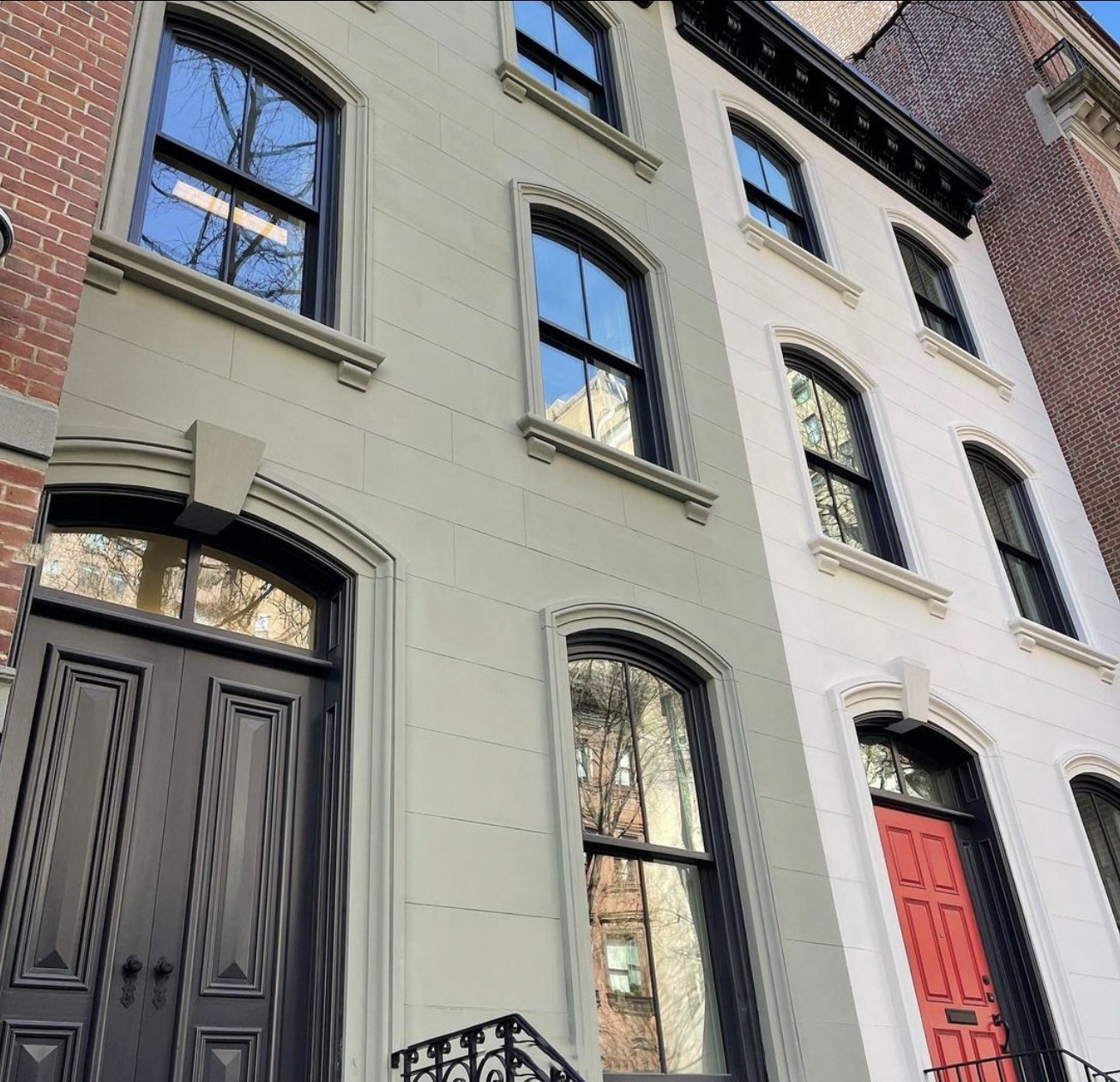
Door Anatomy | Guide to Parts, Terms and Functions
When it comes to historic preservation, the elegance of a door lies not only in its design but also in its anatomy. From grand entryways in landmark buildings to charming brownstone doors in New York City, understanding the parts of a door can help you make more informed decisions.

The anatomy of a door, exterior.
When it comes to historic preservation, the elegance of a door lies not only in its design but also in its anatomy. From grand entryways in landmark buildings to charming brownstone doors in New York City, understanding the parts of a door can help you make more informed decisions. Here’s a breakdown of the essential components that make up a traditional door system.
The Basics
Doorway
The doorway is the opening itself, the passage you walk through to enter a home or room.
Door Frame
Supporting the door panel, the frame includes three key parts: the head (top), jambs (sides), and sill (bottom). Frames are typically constructed from wood, steel, or aluminum, depending on the style and era of the building.
Door Panel
This is the main part of the door that swings open and shut. It can feature solid wood, glass panes, or decorative detailing, depending on the architectural style.
Structural & Functional Elements
Head (or Door Head)
The horizontal top part of the frame.
Jamb
The vertical sides of the frame where the hinges, latch, and strike plate are mounted.
Sill
Located at the bottom of the frame, it sits flush with the floor.
Threshold
Often a sloped piece installed over the sill, the threshold helps keep water and drafts from entering the home.
Weatherstripping & Door Sweep
These components are critical for sealing gaps and improving energy efficiency. Weatherstripping lines the perimeter of the door panel, while the door sweep covers the gap at the bottom.
In-Swing vs. Out-Swing
Depending on your building’s layout or historical context, doors may swing inward or outward. This is typically determined by the positioning of hinges and how the space is used.
Design & Decorative Components
Rails & Stiles
Rails are horizontal segments on the door panel, while stiles run vertically. These structural elements often define the style of the door and house the hardware.
Mullions
A mullion (or “mull”) is the vertical or horizontal element that separates and joins multiple door panels or connects sidelights or transoms to the main door.
Casing & Brickmould
These trim elements add architectural interest and help hide the transition between the door frame and wall—casing on the interior and brickmould on the exterior.
Grilles
Grilles are decorative dividers that mimic the appearance of individual glass panes. They can be surface-applied or installed between panes of insulated glass.
Dentil Shelf
A signature feature of craftsman-style doors, this is a small ledge typically placed below a window pane for decorative effect.
Glazing (Glass)
Historic doors often feature beautiful glasswork. Today, glazing is usually insulated and may include decorative patterns, beveled edges, or leaded details.
Sidelights & Transoms
Sidelights are narrow, vertical windows flanking the door, while transoms sit above it. Both let in natural light and add visual grandeur to an entryway.
Hardware & Security Features
Hinges
These allow the door panel to pivot open and closed. Styles range from exposed barrel hinges to concealed or pivot hinges in modern or minimalist applications.
Knob or Handle
The main mechanism for opening a door. Knobs are round, while handles can vary in design—lever or pull-style depending on preference and accessibility.
Lockset
This includes all elements related to door locking: the handle, latch, strike plate, and interior locking mechanisms.
Deadbolt
An added layer of security, the deadbolt slides a solid metal bolt into the frame and is usually operated by a key or thumb turn.
Latch
The latch retracts when the handle is turned, allowing the door to open. It extends automatically when the door is closed.
Mortise Plate & Strike Plate
These metal reinforcements are located in the jamb and receive the latch or deadbolt. They enhance security and durability by preventing forced entry.
Astragal
If you have double doors, the astragal is the vertical strip that seals the gap between both panels and helps keep the doors secure and aligned.
Planning a full exterior restoration? Don’t miss these window guides.
Understanding window parts is key to choosing, restoring, and preserving historic windows. Learn more in our Window Anatomy Guide, and explore glass types and glazing details in Glass: What a Pane.
ARE YOU AN AUDIO LISTENER?


A Lot on the Line | Installing Fire-Rated Lot Line Windows in TriBeCa
Installing 350-pound, 10-foot-tall steel fire-rated ceramic glazed lot line windows is no easy feat—especially in a historic TriBeCa building with just five feet of clearance between neighboring structures. When working several stories up, over skylights and alleyways, precision is key. These projects demand careful planning, expertise, and patience to ensure both compliance and craftsmanship.
Installing 350-pound, 10-foot-tall steel fire-rated ceramic glazed lot line windows is no easy feat—especially in a historic TriBeCa building with just five feet of clearance between neighboring structures. When working several stories up, over skylights and alleyways, precision is key. These projects demand careful planning, expertise, and patience to ensure both compliance and craftsmanship.
We recently undertook the replacement of 130-year-old double-hung wood weight and chain windows on White Street—one of our favorite streets in Lower Manhattan, where we’ve worked on numerous projects over the years. Given the building’s age and NYC’s strict building codes, these new single-hung steel windows from Optimum Window were essential. The upgrade ensures compliance with both fire safety regulations and NYC Landmarks Preservation Commission requirements while preserving the historic character of the building.
Why Lot Line Windows Matter
Lot line windows are installed on walls that sit directly along a property line, meaning they must meet fire-rated standards to protect against potential fire spread between closely spaced buildings. These new steel-framed windows provide:
Improved Fire Safety: The ceramic glazing and thermally broken steel frames enhance the fire resistance required for lot line windows.
Sound Attenuation: The DB/OITC-rated glazing significantly reduces noise pollution—a major benefit in New York City.
Energy Efficiency: The insulated steel frames and thick glazing offer better thermal performance, keeping interiors more comfortable year-round.
Preserving History While Enhancing Performance
One of the most rewarding aspects of this project was the careful attention to historical detailing. Custom interior casings were fabricated to match the original woodwork, ensuring that the new windows blend seamlessly into the building’s architectural style.
As this transformation nears completion, it’s clear that upgrading historic windows is more than just an aesthetic choice—it’s a structural and safety necessity. With proper planning, expert craftsmanship, and respect for historical integrity, even the most challenging projects can be executed flawlessly.


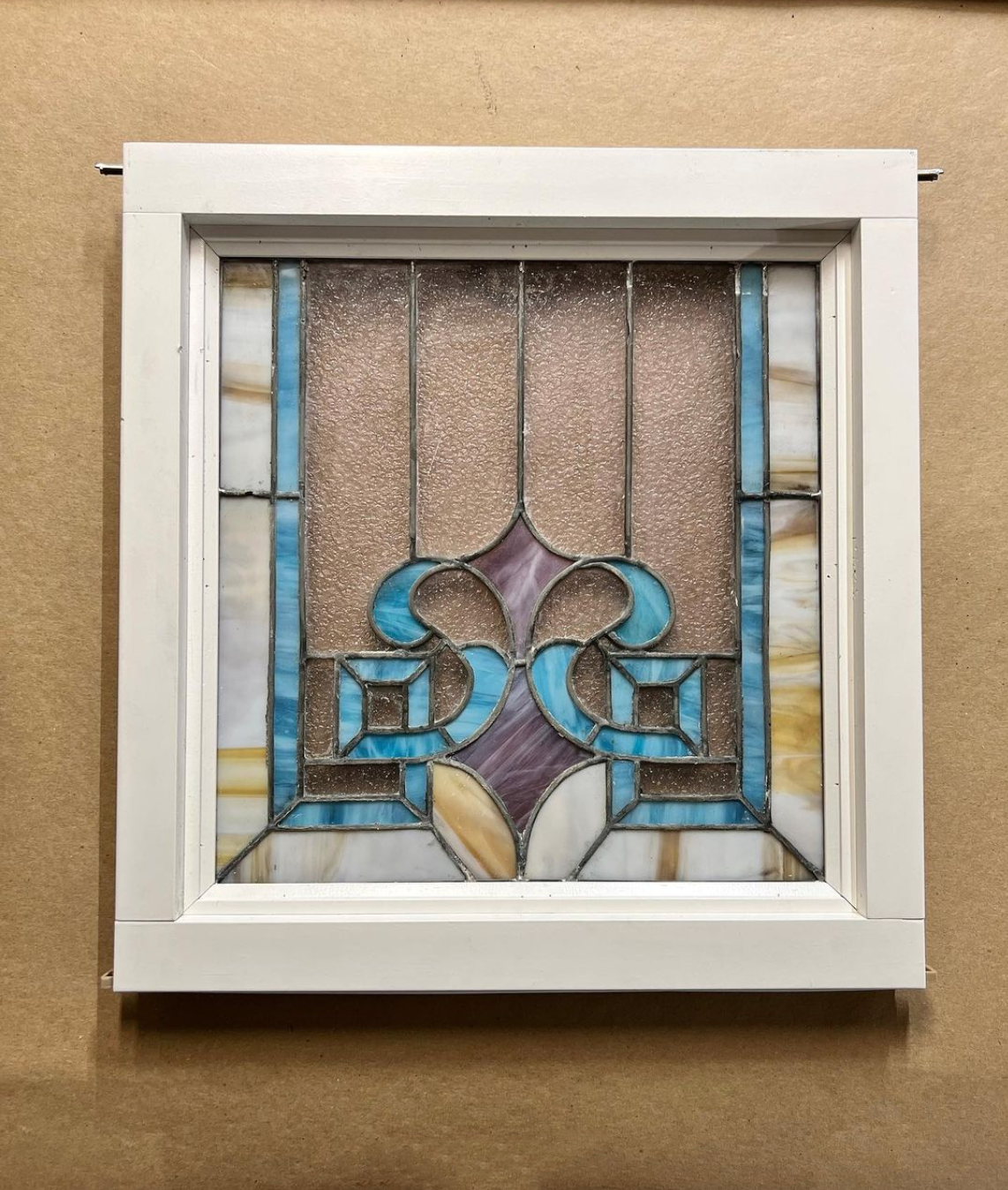
The Environmental Benefits of Restoring Historic Windows
In an era where sustainability is key, restoring historic windows offers an environmentally friendly alternative to full window replacement. While modern windows may promise energy efficiency, the reality is that preserving existing windows is often the greener and more responsible choice.
In an era where sustainability is key, restoring historic windows offers an environmentally friendly alternative to full window replacement. While modern windows may promise energy efficiency, the reality is that preserving existing windows is often the greener and more responsible choice.
Why Restoration is More Sustainable Than Replacement
When homeowners choose to replace historic windows, the old materials typically end up in landfills. Many historic windows were crafted from high-quality old-growth wood, which is far more durable than modern alternatives. By restoring these windows instead of discarding them, we reduce waste and extend the lifespan of high-quality materials.
Additionally, the energy required to manufacture and transport new windows contributes to carbon emissions. In contrast, restoration minimizes this environmental footprint by utilizing materials that are already in place.
Energy Efficiency Without Compromising History
A common misconception is that historic windows cannot be energy efficient. In reality, with proper weatherstripping, storm windows, and restoration techniques, they can perform just as well as modern replacements. Techniques such as reglazing, repairing damaged frames, and adding interior or exterior storm windows improve insulation while maintaining the building’s character.
Preserving Architectural Heritage
Beyond the environmental impact, restored historic windows maintain the authenticity of a building’s design. Many older windows feature intricate craftsmanship that cannot be replicated with modern mass-produced units. Retaining these original elements helps preserve architectural integrity and adds long-term value to historic properties.
By choosing restoration over replacement, property owners can contribute to sustainability efforts while preserving the beauty and history of their buildings. At Historical Windows of New York, we specialize in restoring and preserving historic windows, ensuring that they stand the test of time while maintaining their original charm.
ARE YOU AN AUDIO LISTENER?

Winter-Proofing Historic Brownstones | Energy-Efficient Window Solutions
New York City’s historic brownstones are treasured for their architectural beauty and timeless charm. However, as winter sets in, these classic buildings often face challenges when it comes to energy efficiency. Aging windows, drafty frames, and single-pane glass can make it difficult to keep homes warm and energy bills manageable. The good news is that preserving the character of your historic brownstone doesn’t mean sacrificing modern comfort.
New York City’s historic brownstones are treasured for their architectural beauty and timeless charm. However, as winter sets in, these classic buildings often face challenges when it comes to energy efficiency. Aging windows, drafty frames, and single-pane glass can make it difficult to keep homes warm and energy bills manageable. The good news is that preserving the character of your historic brownstone doesn’t mean sacrificing modern comfort.
Here are energy-efficient solutions that will keep your brownstone cozy while maintaining its historic integrity:
Window Restoration for Better Insulation
Restoring your existing historical windows can greatly improve their energy performance. Professional restoration services can repair drafts, improve seals, and add insulation while preserving the original design. This approach ensures compliance with NYC’s landmark preservation requirements and maintains the unique character of your brownstone.
Adding Storm Windows
Storm windows are a simple yet effective way to enhance energy efficiency without altering your original windows. Custom storm windows can be installed to match the aesthetic of your brownstone while adding an extra layer of insulation against the cold.
Upgrading to Energy-Efficient Glazing
If your windows are beyond repair, consider upgrading to energy-efficient glazing. Double or triple-pane glass offers superior insulation and can be customized to replicate the look of historical windows, ensuring your brownstone retains its charm while meeting modern efficiency standards.
Sealing Gaps and Drafts
Even the smallest gaps around window frames can lead to significant heat loss. Weatherstripping and caulking are cost-effective solutions to seal these gaps, preventing drafts and keeping your home warm all winter long.
Insulating Window Treatments
Thermal curtains, shades, and blinds not only add a stylish touch to your brownstone but also provide an additional layer of insulation. They can help retain heat during chilly NYC winters while complementing your historic interior.
Why Choose Professional Window Services for Your Brownstone?
NYC brownstones are often protected under landmark status, meaning any modifications must comply with strict guidelines. Working with Historical Windows of New York ensures that your energy-efficient upgrades meet these regulations while maintaining the architectural integrity of your home. Our team specializes in restoring and upgrading historic windows for NYC brownstones, combining expert craftsmanship with modern technology to achieve the best results.
Schedule Your Consultation Today
Don’t let winter drafts take away from the comfort of your historic brownstone. Contact us to learn more about energy-efficient solutions for your windows. Whether you need restoration, storm window installation, or an upgrade to energy-efficient glazing, our team is here to help.
Ready to get started? Contact us today for a consultation!


